
When people in the industry say “See you in Berlin,” they usually mean one thing: the Berlin International Film Festival, or Berlinale. It is one of the world’s most famous film festivals, attracting filmmakers, actors, and cinema fans from around the globe. The festival is known for showing innovative and socially important films, while the European Film Market (EFM) allows industry professionals to meet, buy, and sell films. Berlin becomes a hub for both creative talent and business opportunities in the film world.
Key Takeaways
-
Dates: 12–22 February 2026, with EFM 11–18 Feb.
-
History: Founded in 1951, known for public and critical acclaim.
-
Sections: Competition, Panorama, Forum, Generation, Shorts, Classics.
-
Impact: Great for socially conscious films and emerging filmmakers.
-
Tips: Stay hydrated and take recovery breaks during the festival.
Berlin International Film Festival 2026 Dates and Overview
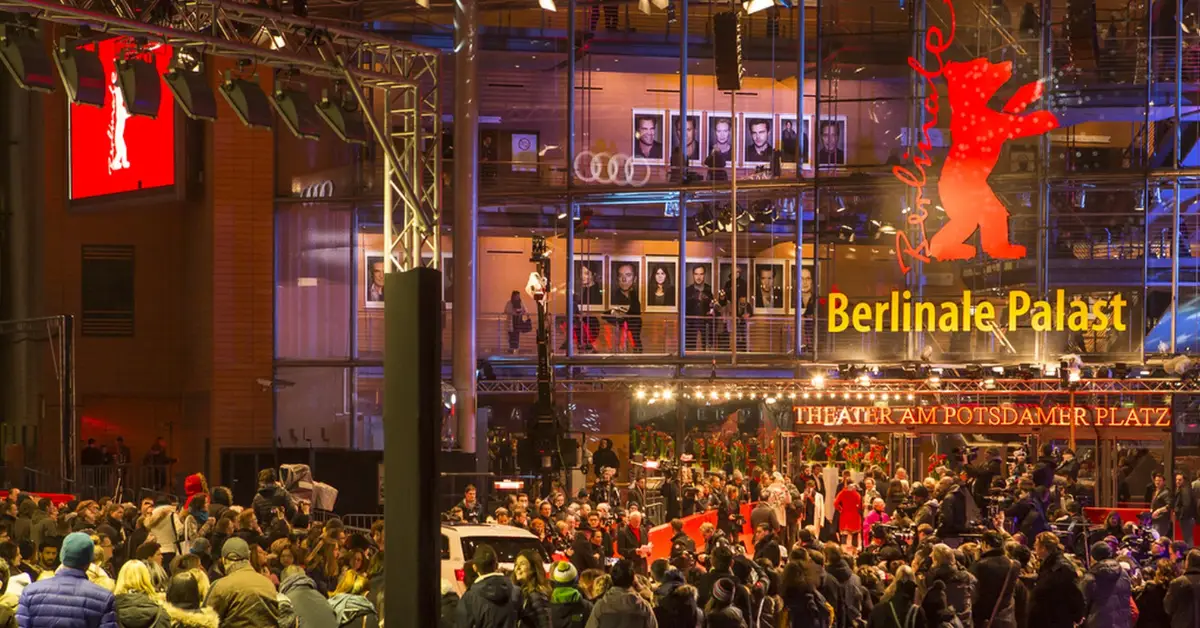
The Berlin International Film Festival 2026 will run from 12 to 22 February 2026, marking the 76th edition of the Berlinale. For producers, publicists, and sales agents, those dates are already blocked off in the calendar because they neatly align with the broader awards and market ecosystem, no longer clashing with the BAFTAs as in recent years.
From an industry standpoint, these dates matter for two reasons:
- Market traffic: The European Film Market (EFM) traditionally overlaps the festival and is scheduled from 11 to 18 February 2026, becoming a central hub for acquisitions and pre-sales.
- Awards positioning: Premiering in Berlin gives titles strategic visibility during the late winter festival corridor, between Sundance and the spring European circuit.
When I plan a Berlinale campaign, I always start backwards: first locking in the 12–22 February window, then mapping press days, market screenings, and potential award pushes around it. That backward planning is what keeps teams sane once the festival actually starts.
A Festival Founded in 1951: How the Berlinale Became “The Berlinale”
The Berlin International Film Festival was founded in 1951, in a divided city that needed cultural symbols as much as political ones. Initiated by American film officer Oscar Martay with support from the Berlin Senate and the local film industry, the first festival took place from 6 to 17 June 1951. Alfred Hitchcock’s Rebecca opened that inaugural edition at the Titania-Palast cinema, setting an early precedent for Berlin’s taste for major international titles.
Even in that first year, the festival awarded multiple Golden Bears across genres, with Disney’s Cinderella taking the Golden Bear for Music Film as well as the audience prize. That dual emphasis on critical recognition and audience appeal still defines the Berlinale’s brand: it’s both a cinephile event and a very public-facing festival.
Whenever I pitch Berlin to a filmmaker who’s torn between the “big three” (Cannes, Venice, Berlin), I highlight this history: Berlin has always leaned into politically aware, socially engaged cinema, reflecting its Cold War origins and its ongoing role as a crossroads between East and West.
Key Sections: Where Your Film Actually Fits
Main Competition and the Golden Bear
At the heart of the Berlin International Film Festival is the Competition section, where a curated slate of international films competes for the Golden Bear (top prize) and Silver Bears (including awards for directing, acting, and artistic contributions).
From a strategy perspective:
- Competition slots are ideal for world premieres aiming for global critical attention and awards-season narratives.
- A Golden Bear or major Silver Bear can significantly boost international sales and festival bookings across the year.
The 2026 Competition is again expected to feature a jury composed of acclaimed directors, actors, and critics, maintaining the festival’s long-standing focus on cinematic excellence.
Panorama, Forum, Generation and More
Beyond Competition, the Berlinale ecosystem is built around distinct programming strands, each serving a different artistic and audience niche:
- Panorama: Focuses on strong auteur voices, often with politically and socially urgent themes, and is known for bold visual and emotional contrasts.
- Forum: Leans toward formally adventurous and experimental works, frequently attracting critics and programmers scouting for the next breakthrough voice.
- Generation (Kplus and 14plus): Dedicated to films for children and young audiences, often foregrounding youth-driven narratives and contemporary social issues.
- Berlinale Shorts, Berlinale Classics, and other programmes: Create additional windows for short-form work, restorations, and cinema history.
According to recent programming notes, the 2026 Panorama and Generation line-ups highlight queer, feminist, and youth-centred stories, reinforcing the Berlinale’s reputation for politically conscious programming. As a marketer, I know those labels are not just thematic; they also influence which outlets and communities you prioritize during outreach.
Why the Berlinale Matters in the Global Festival Calendar
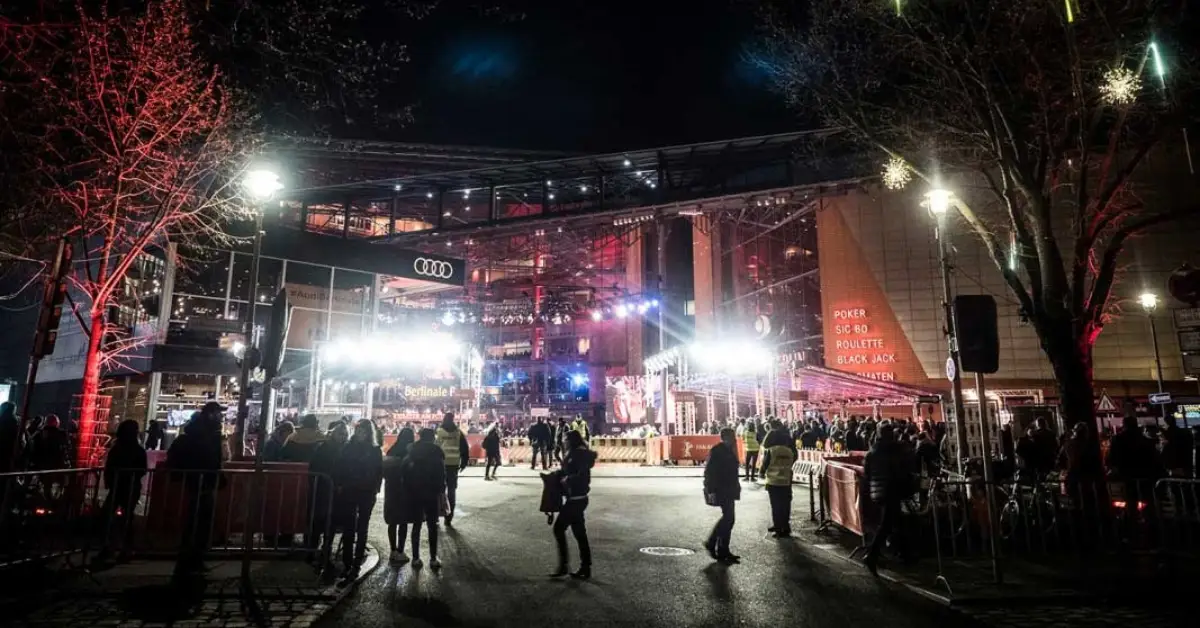
In the broader context of international film festivals, Berlin stands alongside Cannes and Venice as one of the most prestigious “A-list” competitive events. But its positioning is unique:
- Timing: February placement allows films to break out early in the year, rather than in the crowded late-spring or late-summer windows.
- Audience: Berlin is known for sold-out public screenings, giving films immediate word-of-mouth beyond industry and press.
- Market: The EFM is one of the most important film markets worldwide, driving global deals and co-production conversations.
In my experience, Berlin can be especially powerful for:
- Socially engaged dramas looking for critical champions and festival runs.
- Documentaries with political or human-rights angles.
- Debut or sophomore features from emerging filmmakers seeking to build an international profile.
One lesson I’ve learned the hard way: if you treat Berlin as “just another festival,” you underuse it. The combination of festival plus market means your positioning, materials, and timing need to be aligned months before February.
Practical Tips for Attending the Berlin International Film Festival 2026
Having worked on multiple campaigns around the international film festival circuit, there are a few practical principles I always follow for Berlin:
1. Plan Around Berlinale and EFM Schedules
Because the 2026 festival runs 12–22 February and the EFM from 11–18 February, you should plan your most important events—press junkets, industry screenings, premiere parties—between the first weekend and mid-week, when attendance peaks. Teams that wait for the second half often find that key buyers have already left.i
2. Tailor Strategy to Section
Your approach should change dramatically depending on whether a film is in Competition, Panorama, Forum, or Generation. For example:
- A Panorama title with queer or feminist themes will benefit from targeted outreach to specialized press and community groups, aligning with the section’s curatorial focus.
- A Generation film needs school groups, youth organizations, and family-friendly messaging, with assets localized where possible.
The mistake I see most often is treating “international film festival Berlin” as a single monolithic label in marketing materials. In reality, the section name can be as important as the festival name itself when communicating with insiders.
3. Use Berlinale Credibility in Long-Term Positioning
Because the Berlin International Film Festival was founded in 1951 and has built up decades of prestige, a Berlinale laurel remains a valuable credibility marker long after February ends. I usually recommend integrating those laurels and review quotes into:
- Sales decks and pitch materials.
- Festival applications for the rest of the year.
- Trailer cards and key art, especially for arthouse or awards-oriented campaigns.
A title that “just played in Berlin” might get polite interest; a title that “premiered in Panorama with strong reviews and sold out screenings” turns heads in programming meetings.
Staying Hydrated and Energized During the Festival
Attending a multi-day event like the Berlinale can be fast-paced and physically demanding. Long days of screenings, networking, and industry meetings can leave attendees fatigued. Incorporating hydration and recovery breaks is essential to maintain energy and focus.
Quick Reference: Berlin International Film Festival Facts
| Aspect | Key Detail |
| Official name | Berlin International Film Festival (Berlinale) |
| 2026 edition | 76th Berlin International Film Festiva |
| 2026 dates | 12–22 February 2026 |
| Founded | 1951, first edition 6–17 June 1951 |
| Location | Berlin, Germany |
| Top awards | Golden Bear, Silver Bears |
| Key sections | Competition, Panorama, Forum, Generation, Shorts, Classics |
| 2026 programming focus (Panorama/Gen) | Auteur-driven, queer, feminist, youth narratives |
FAQs
1. When is the Berlin International Film Festival 2026?
The Berlin International Film Festival 2026 will take place from 12 to 22 February 2026 in Berlin, Germany.
2. Why is the Berlin International Film Festival important?
The Berlinale is one of the world’s leading international film festivals, known for prestigious awards like the Golden Bear and its influential European Film Market, which drives global acquisitions and co-productions.
3. When was the Berlin International Film Festival founded?
The Berlin International Film Festival was founded in 1951, with the first edition running from 6 to 17 June 1951 in post-war Berlin.
4. What are the main sections of the Berlinale?
Major sections include Competition, Panorama, Forum, Generation, Berlinale Shorts, and Berlinale Classics, each serving distinct artistic and audience segments.
5. What makes Berlinale 2026 stand out?
Berlinale 2026 is notable for its 12–22 February dates, avoiding overlap with the BAFTAs, and for Panorama and Generation line-ups that foreground politically urgent, queer, feminist, and youth-driven stories.