Istanbul in September still runs warm, humid, and physically demanding for anyone trying to see the city properly. Here’s what a fairly ordinary day of sightseeing looks like, and why it takes more out of visitors than they expect.
Morning: The Bosphorus Humidity Sets In Early
Istanbul straddles two continents split by open water, and that geography means humidity builds early in the day, well before the temperature itself feels extreme. A morning spent walking between the Hagia Sophia, the Blue Mosque, and Topkapi Palace — all within a compact but hilly stretch of the old city — means visitors are already sweating through their first coffee break.
Midday: The Grand Bazaar’s Indoor Heat
Unlike open-air markets, Istanbul’s Grand Bazaar traps heat under its covered arcades, and the crowds moving through its narrow corridors add body heat to an already warm, humid environment. Hours spent browsing here, often without much fluid intake, compounds the morning’s dehydration significantly.
Afternoon: The Hills of Istanbul Add Up
Istanbul’s old city is built across seven hills, and what looks like a short walk on a map often involves considerable elevation change. By mid-afternoon, most visitors have logged several miles of uphill and downhill walking in humid conditions, a combination that produces more fatigue than flat-terrain sightseeing in a similar climate.
Evening: The Bosphorus Cruise or Rooftop Dinner
Many Istanbul itineraries end the day with a Bosphorus cruise or a rooftop dinner, both wonderful experiences that also mean several more hours outdoors before the day is truly over — and by this point, most visitors are running a significant cumulative fluid deficit.
What Makes September Different From Peak Summer in Istanbul?
July and August in Istanbul push temperatures even higher, but September brings its own specific challenge: humidity that stays stubbornly high even as the peak heat eases. This creates a deceptive comfort — the air feels less brutal than in August, so visitors relax their guard on hydration, while the underlying humidity is still doing the same work of impairing the body’s ability to cool itself efficiently.
September also marks the tail end of the Bosphorus’s busy cruise and ferry season, meaning visitors combining a land-based sightseeing itinerary with water-based activities are managing sun exposure from two different angles: reflected light off the water during a ferry crossing, and direct exposure while walking between the old city’s major sites. Both add up, and the combination is easy to underestimate precisely because neither activity feels as intense on its own as a full day at an outdoor market or historic site would.
Evening: Istanbul Doesn’t Slow Down After Dark
Unlike destinations where the evening offers genuine relief from a day of exertion, Istanbul’s rhythm often intensifies after sunset. Rooftop restaurants along the Bosphorus fill up, the call to prayer marks the transition into evening activity rather than a wind-down, and neighborhoods like Karaköy and Beyoğlu come alive with a level of energy that encourages visitors to keep moving well into the night rather than retreating to their hotel.
This matters because it removes the natural recovery window that a quieter evening would otherwise provide. A visitor who spent the day walking the old city, browsing the Grand Bazaar, and taking a Bosphorus cruise, then heads straight into an evening of rooftop dining and more walking through Beyoğlu’s hilly streets, is compounding a full day’s fatigue rather than giving the body any real chance to reset before sleep. By the time most visitors actually sit down for the night, they’ve often logged eight or more hours of near-continuous activity in warm, humid conditions.
Where Mobile IV Therapy Fits Into an Istanbul Trip
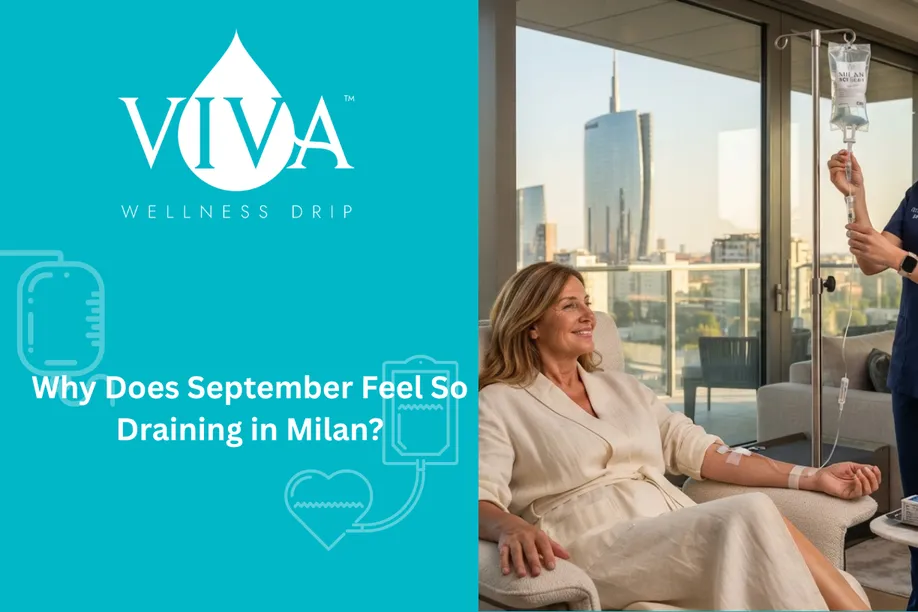
Rather than losing the next morning to fatigue, a session booked for the evening addresses the day’s accumulated dehydration directly. The most requested formulation pairs isotonic saline with electrolyte replenishment and vitamin C, matching what a full day of humid, hilly sightseeing actually costs the body. You can review the full IV drip menu to find a formulation suited to your itinerary, and the Hydro Boost—style hydration options are typically the most requested for general sightseeing recovery.
The team at Viva Wellness Drip sends a registered nurse directly to hotels throughout Istanbul, from Sultanahmet to Beyoğlu. According to the Mayo Clinic’s guidance on dehydration, humidity significantly impairs the body’s ability to cool itself through sweat evaporation, which is precisely the combination Istanbul’s September climate delivers. The World Health Organization’s guidance on heat and health makes a similar point about humid climates specifically, and the CDC’s hydration guidance is a useful reference for understanding how much fluid intake needs to increase under these conditions.
Frequently Asked Questions
Why does Istanbul feel more tiring than its temperature alone would suggest?
Istanbul’s Bosphorus-driven humidity impairs the body’s natural cooling process, making the same temperature feel more physically demanding than in a drier climate.
Is IV therapy helpful for the walking involved in Istanbul’s old city?
Yes. Istanbul’s hilly terrain adds more physical strain than flat-city sightseeing, and electrolyte replenishment helps address the resulting muscle fatigue and fluid loss.
When should I book a session during an Istanbul trip?
Most visitors schedule a session in the evening, once the day’s sightseeing is done, to recover before the next day’s itinerary begins.
Can Viva Wellness Drip travel to hotels in Sultanahmet and Beyoğlu?
Yes. The team serves hotels and accommodations throughout Istanbul’s major tourist districts.
Is a Bosphorus cruise as relaxing as it looks in terms of hydration?
It’s more demanding than it appears — several hours outdoors on the water in humid conditions still adds to the day’s cumulative fluid loss, even without active walking. Learn more about available formulations on the services page.