There is no single best option, and any article claiming otherwise is selling something. The right choice in Barcelona depends on where you are staying, how unwell you actually are, and how much of your trip you are willing to spend getting there.
What I can give you is the honest decision framework I use when visitors ask. Six options, ranked by the situations each actually suits.
 q
q
1. Mobile At-Home and Hotel Infusion
Best for: most visitors, most of the time
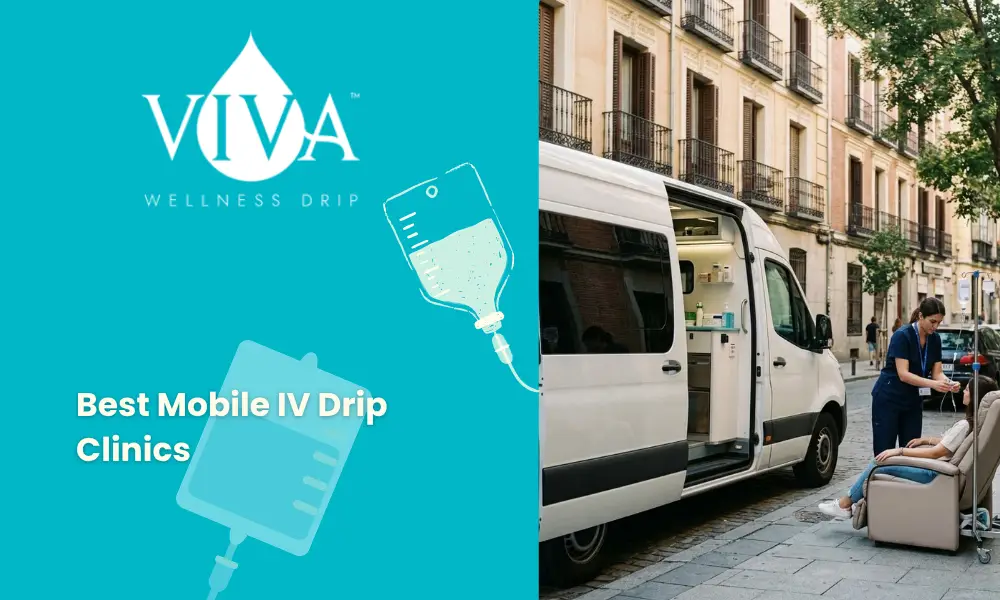
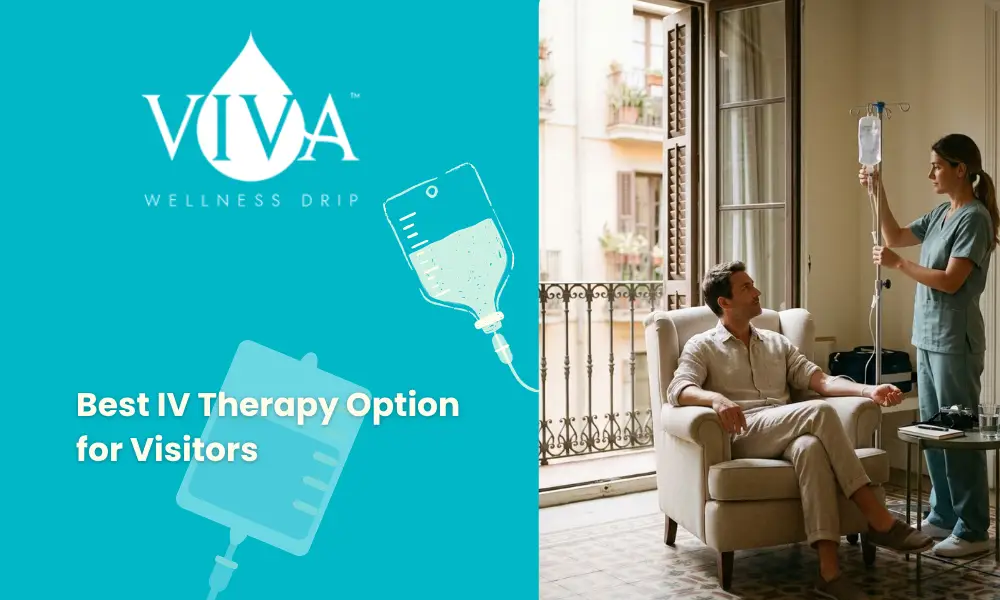
A qualified nurse travels to your hotel or apartment in the Eixample, Gòtic, Gràcia, Barceloneta, or wherever you are staying. Given that the metro in August is genuinely unpleasant when you feel unwell, this is the option most visitors should default to.
Our nurses cover the Barcelona service area across the central districts and the coastal neighbourhoods.
2. Private Clinics and Wellness Centres
Best for: visitors staying centrally who feel functional
Barcelona supports a substantial private clinic sector offering infusion at fixed locations, typically at lower per-session prices. Sensible if you are nearby and well enough to walk there comfortably.
3. Private Hospital Outpatient Services
Best for: anything diagnosed or prescribed
Catalonia’s private hospital network is strong. This is the correct route for prescribed therapy, complex medical need, or anything requiring diagnosis rather than support.
4. Tourist Medical Services
Best for: visitors who need assessment, not just fluid
Barcelona’s volume of international visitors supports dedicated tourist medical services with multilingual staff. Useful when you are not sure whether what you have is dehydration or something requiring a diagnosis.
5. Pharmacy-Led Oral Rehydration
Best for: mild cases, and the option most people skip
Spanish pharmacies are excellent and pharmacists are well trained. For mild depletion, an oral rehydration solution costs a couple of euros and works. I recommend this more often than anything else on the list, and I am aware of the irony.
6. Emergency Services
For emergencies, and nothing else
Confusion, fainting, chest pain, hot dry skin with a very high temperature, or vomiting that will not stop require immediate emergency care. No responsible mobile provider will take that booking.
Comparing the Six Options
| Option | Speed | Cost | Best For |
| Mobile infusion | 2–4 hrs | €€€ | Most visitors, unwell or busy |
| Private clinic | Same day | €€ | Central, mobile, feeling functional |
| Private hospital | Days | €€€€ | Prescribed or complex care |
| Tourist medical service | Same day | €€€ | Needing assessment |
| Pharmacy ORS | Immediate | € | Mild depletion |
| Emergency services | Immediate | Varies | True emergencies |
Pro Tip: The single most common cause of visitor dehydration in Barcelona is not the heat. It is walking twenty-five thousand steps between Gaudí sites in humid coastal air while drinking nothing but coffee and vermouth. The city is deceptively walkable, which is exactly the problem. Carry water and take the afternoon indoors like locals do, and most trips never reach the point of needing any option on this list.
How to Choose Between Them
Three questions that settle it
Can you comfortably walk somewhere? If not, mobile. Do you need a diagnosis rather than fluid? If so, a clinic or hospital. Are you keeping fluids down? If yes, try oral rehydration first.
Mayo Clinic’s guidance on dehydration and its warning signs helps distinguish mild from moderate, which is the distinction those three questions turn on.
Choosing a Formulation as a Visitor
Simple usually wins on a city trip
For heat and walking depletion, an isotonic electrolyte drip such as Hydro Boost addresses what you have actually lost. For visitors at the end of a longer Spanish itinerary with heavy sun exposure, antioxidant-focused options like Glutathione Detox are frequently requested.
Set expectations honestly on the second category. Cleveland Clinic’s clinicians are direct that IV vitamin therapy offers limited benefit to well-nourished people, and the hydration is doing most of the work — which remains a perfectly good reason to book.
Verifying Whichever You Choose
Who directs medically, what qualification does the attending clinician hold, where were the solutions prepared, and what is the all-in price? Spanish healthcare operates to EU standards and reputable providers answer readily.
Our nurses serve Barcelona with published formulations across our full service menu, and if you would like help deciding which of the six options above fits your situation, ask us. We give that answer free, including when the answer is a pharmacy and an hour of shade.
Frequently Asked Questions
Do visitors need Spanish health insurance for IV therapy?
Not for a wellness infusion, which is typically paid directly. Insurance matters for hospital care and genuine medical emergencies.
Can I get an IV drip at a Barcelona hotel?
Yes. Hotels and short-term rentals across the city are standard service addresses, subject to the property’s visitor policy.
How quickly can a nurse reach me in Barcelona?
Typically within two to four hours, with evening and weekend slots filling fastest during summer and major event periods.
Is an IV drip better than drinking water?
Only when oral intake is not working or the deficit is significant. If you can drink and keep fluids down, oral rehydration is cheaper, simpler, and perfectly effective.
What language will the nurse speak?
Providers serving Barcelona’s international visitor market operate in English, and multilingual staff are standard across the sector.