Drinking water does not always fix thirst fast enough, especially after sports or illness. IV Treatments can hydrate your body up to three times faster than oral hydration. This blog will break down the hydration comparison between IV vs oral hydration, so you know which method works best and when to choose each one for wellness hydration.
Key Takeaways
- IV hydration works up to three times faster than drinking water. It sends fluids and nutrients directly into your bloodstream.
- Oral water takes longer to absorb. Your body needs 2–3 liters of water to match one IV drip for rehydration.
- Choose IV hydration for rapid relief after sports, illness, vomiting, or when you cannot drink enough water.
- Custom IV drips can provide extra vitamins and minerals quickly during recovery or extreme dehydration risks.
- Drinking water remains vital every day but may not be effective in emergency situations where fast action is needed.
Understanding IV Hydration and Oral Water

Doctors use two main hydration methods: IV hydration and drinking water. Both help your body, but they work in different ways.
How IV Hydration Works
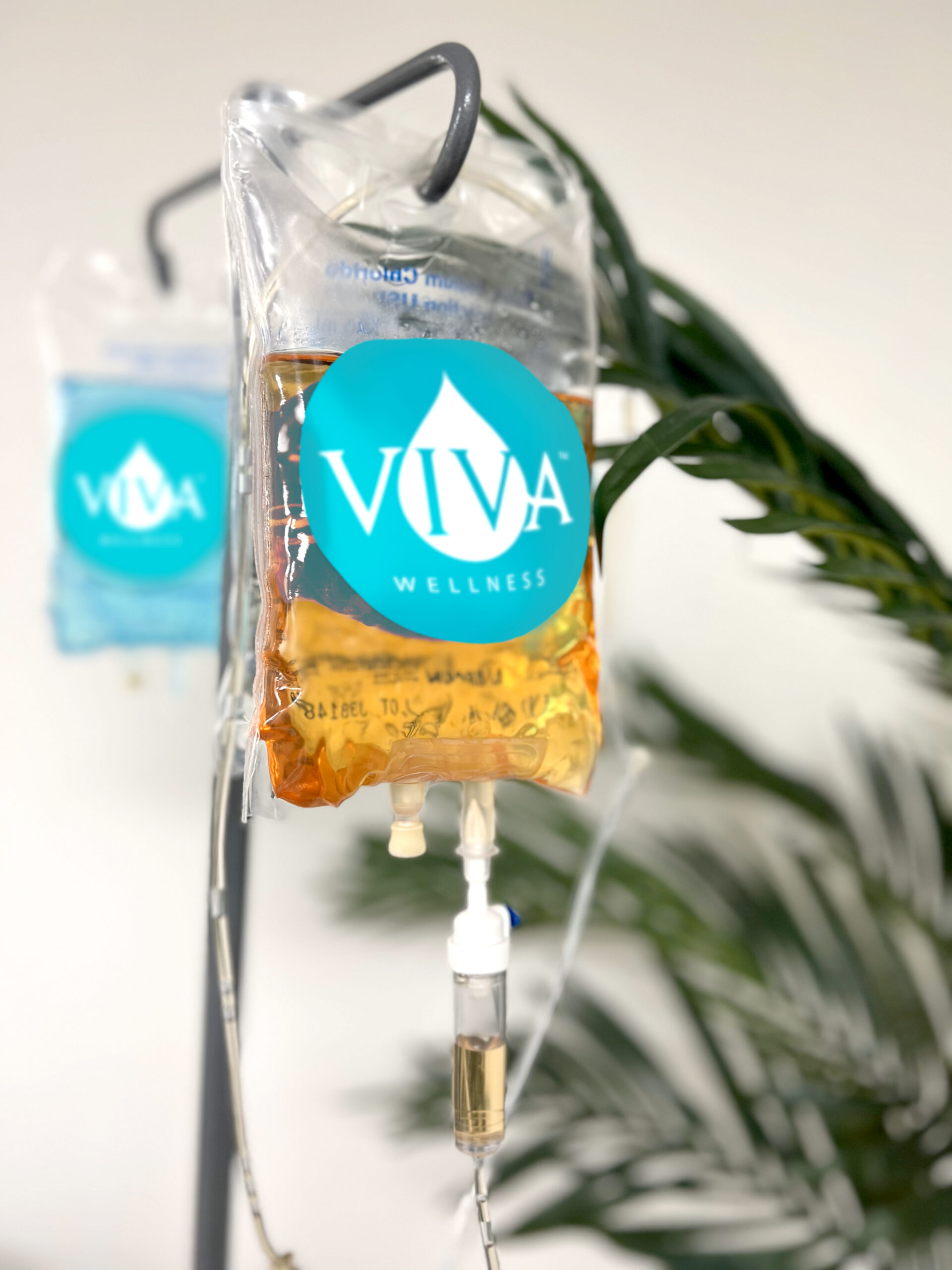
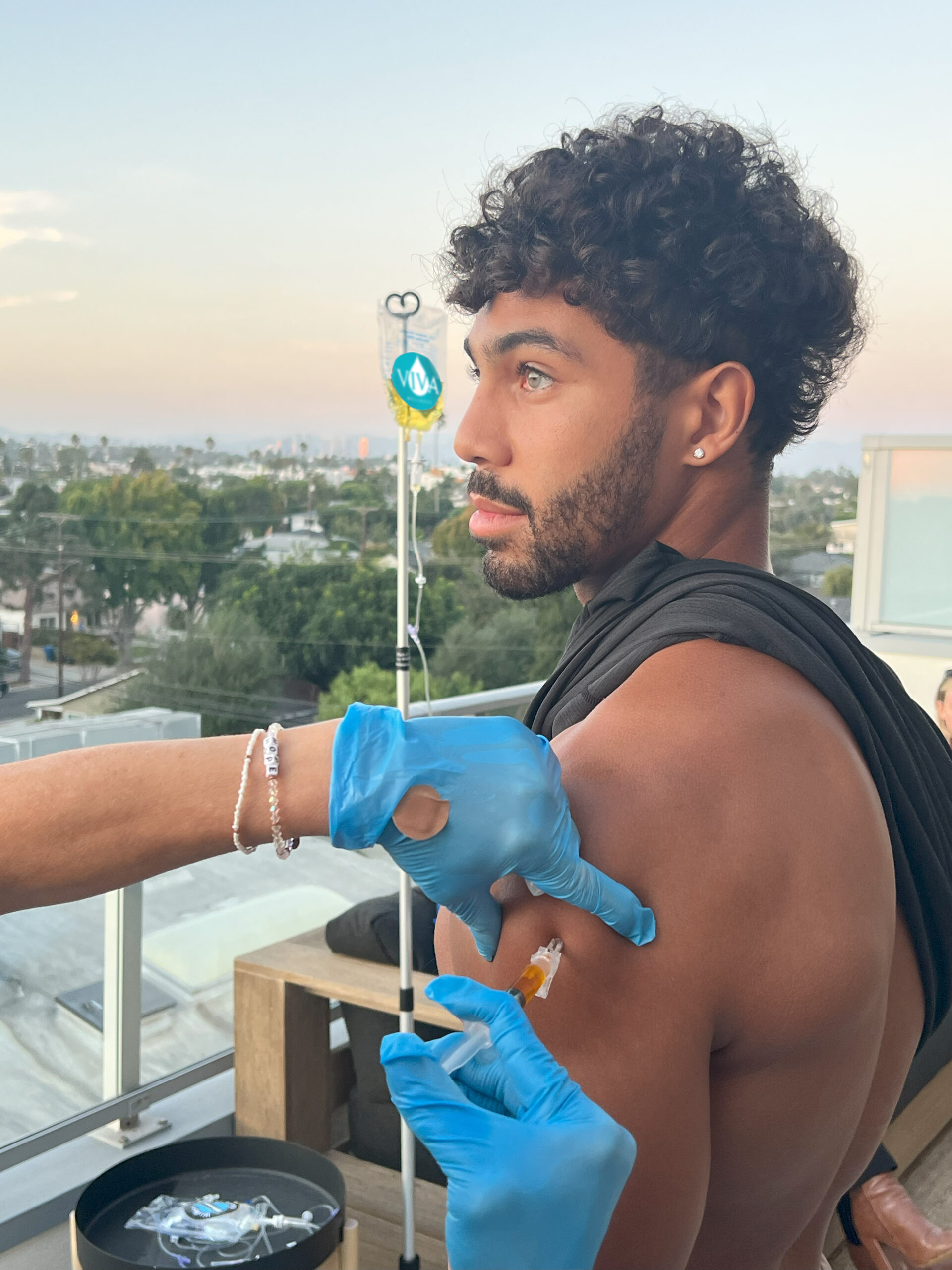
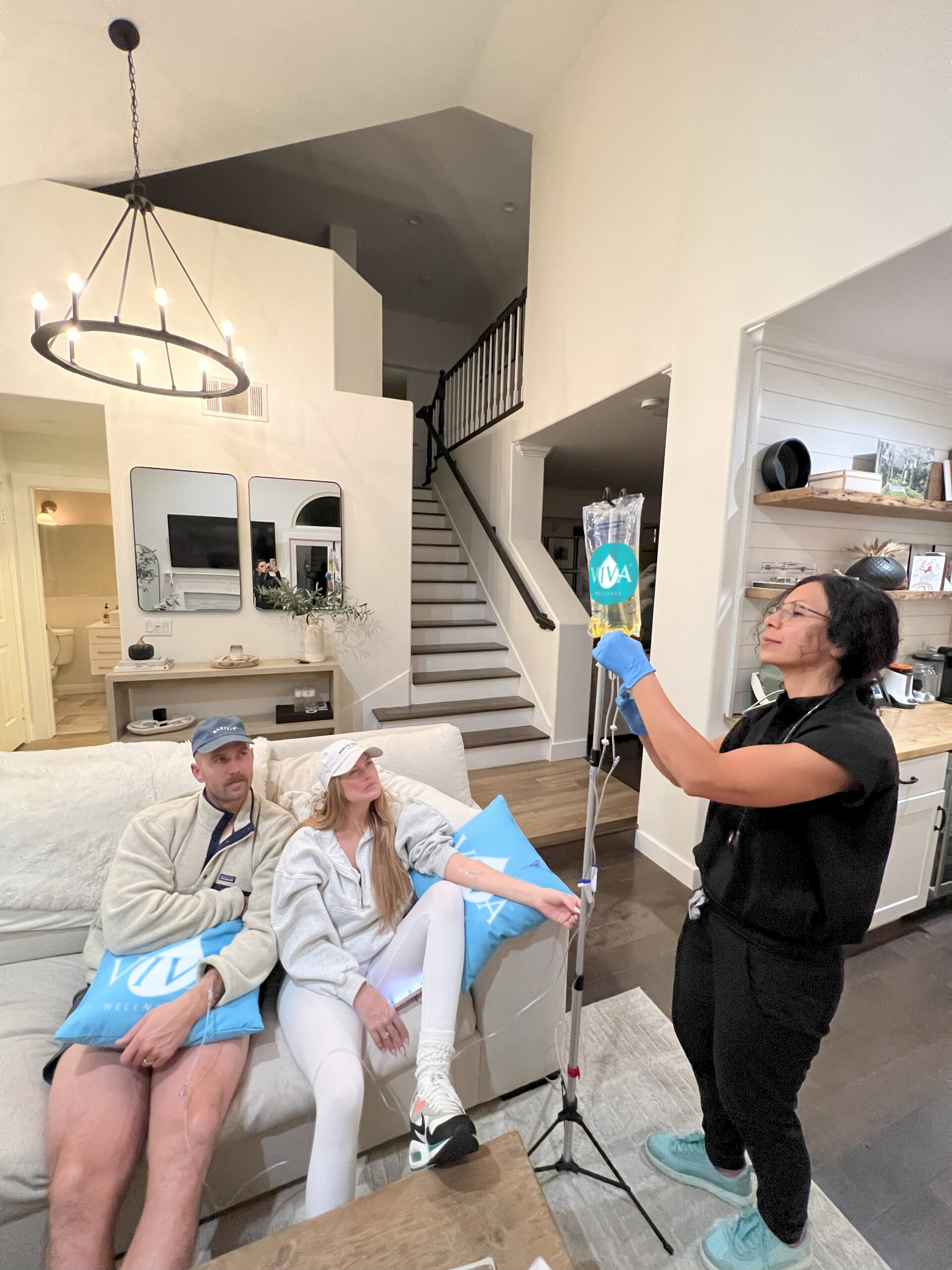
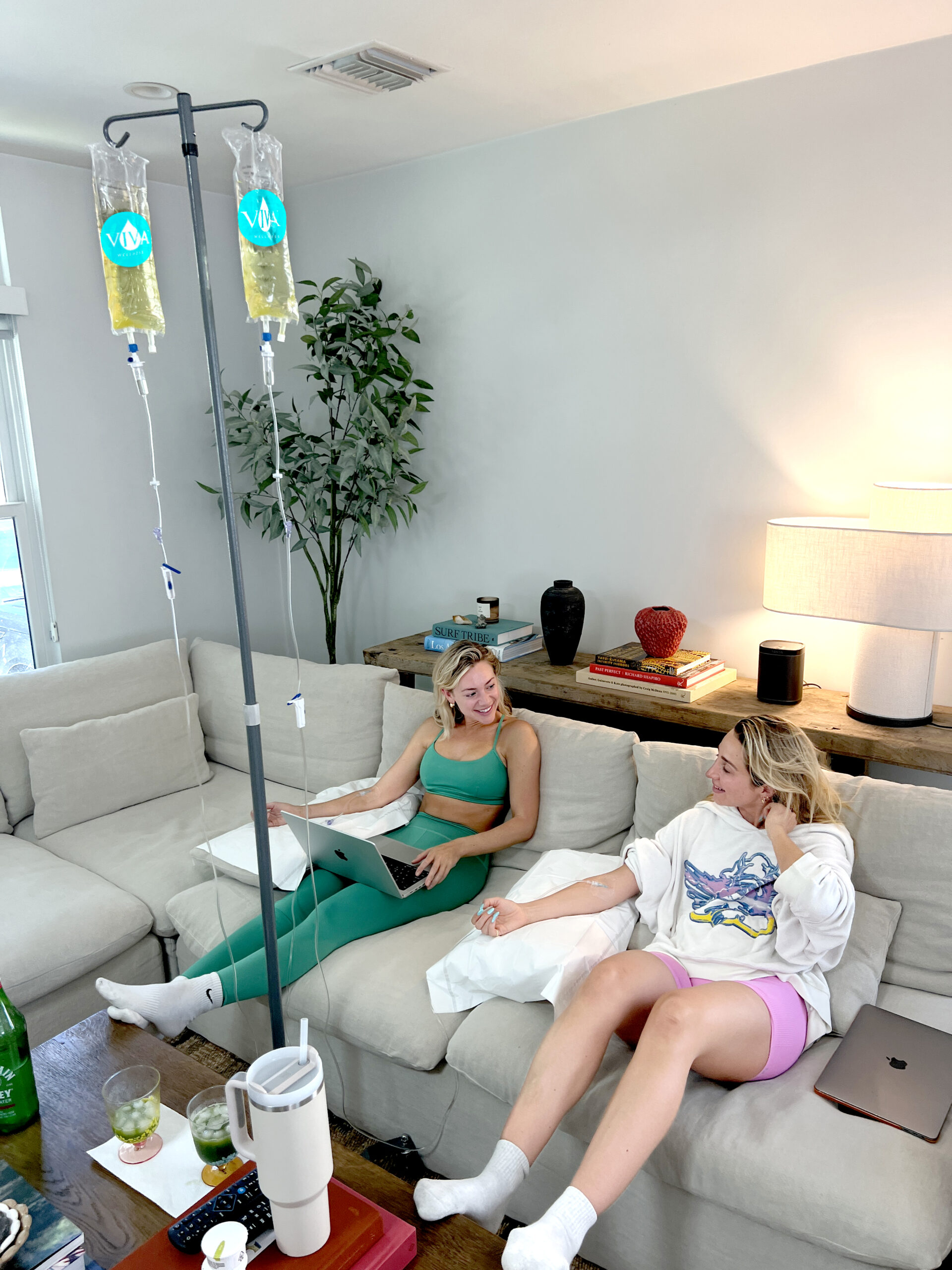
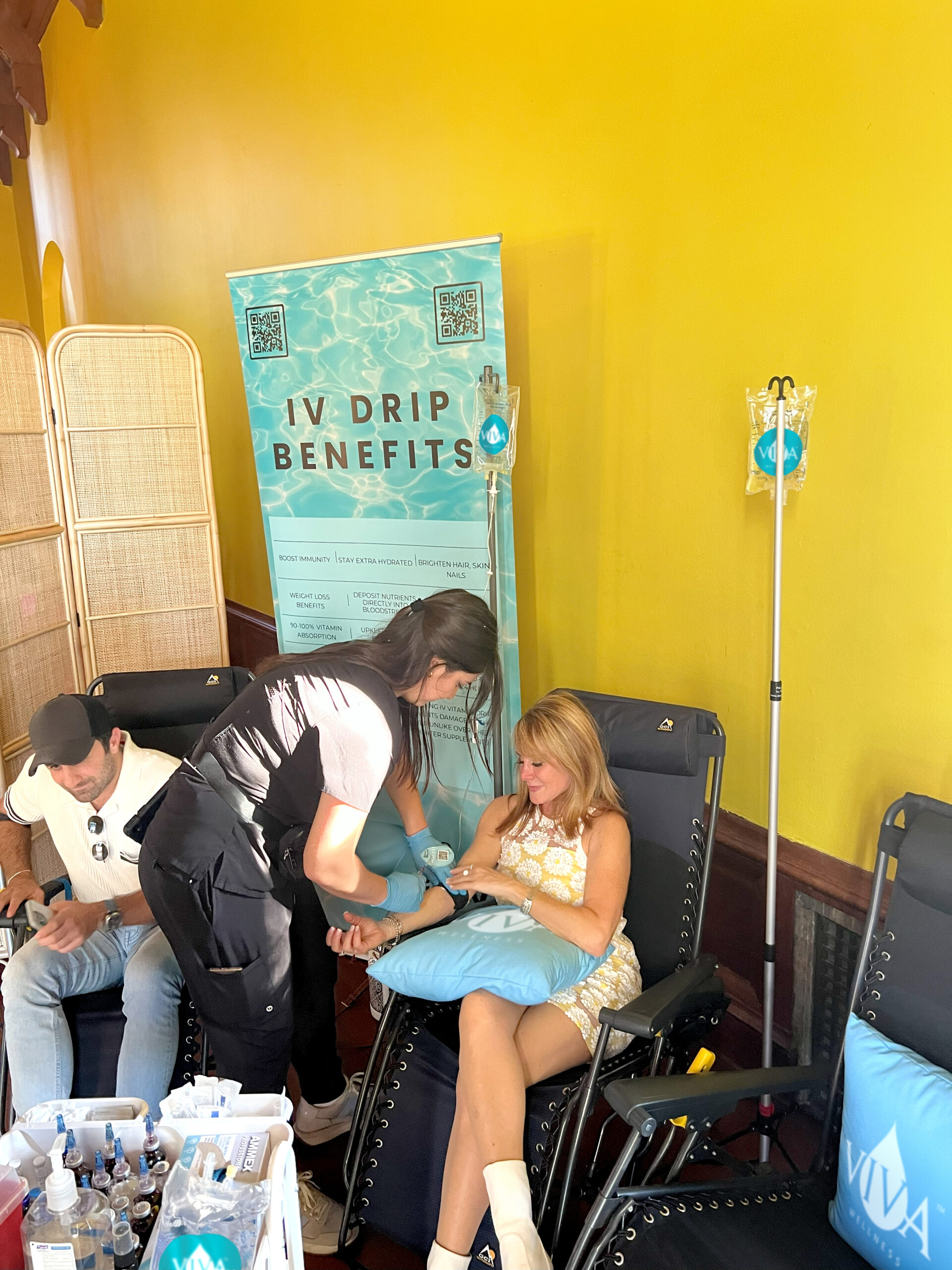
A nurse or technician starts IV hydration by placing a small needle into your vein. The fluid goes directly into your bloodstream, which gives you instant hydration. This method allows vitamins and nutrients to work fast, usually within minutes.
Studies say IV therapy is up to three times more effective than just drinking water for rehydration. Athletes can recover much faster with this way compared to oral hydration methods.
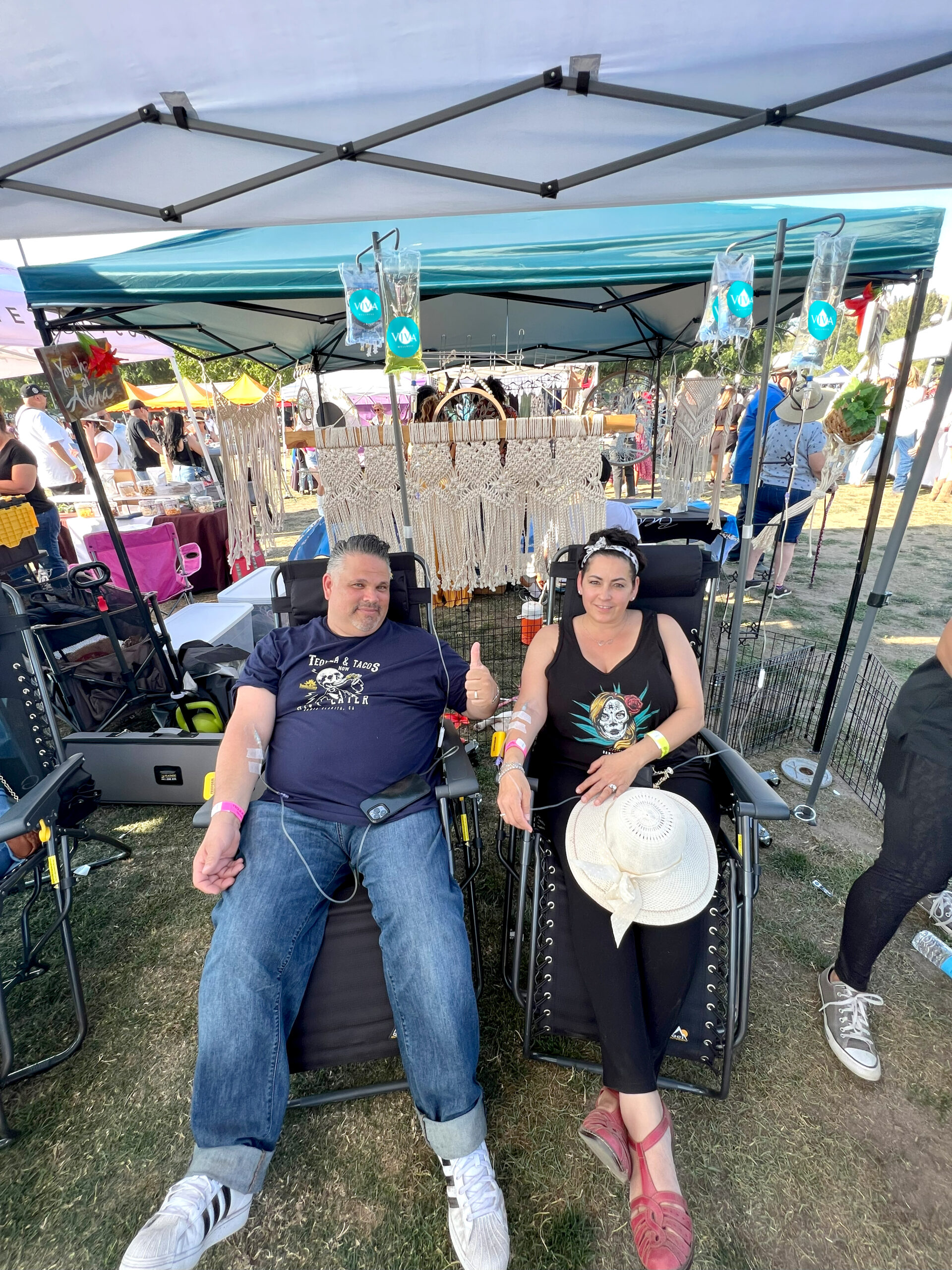
You might need two or three liters of water to get the same result as one IV drip. People often choose IV fluids on demand for quick relief when regular water intake does not work well enough.
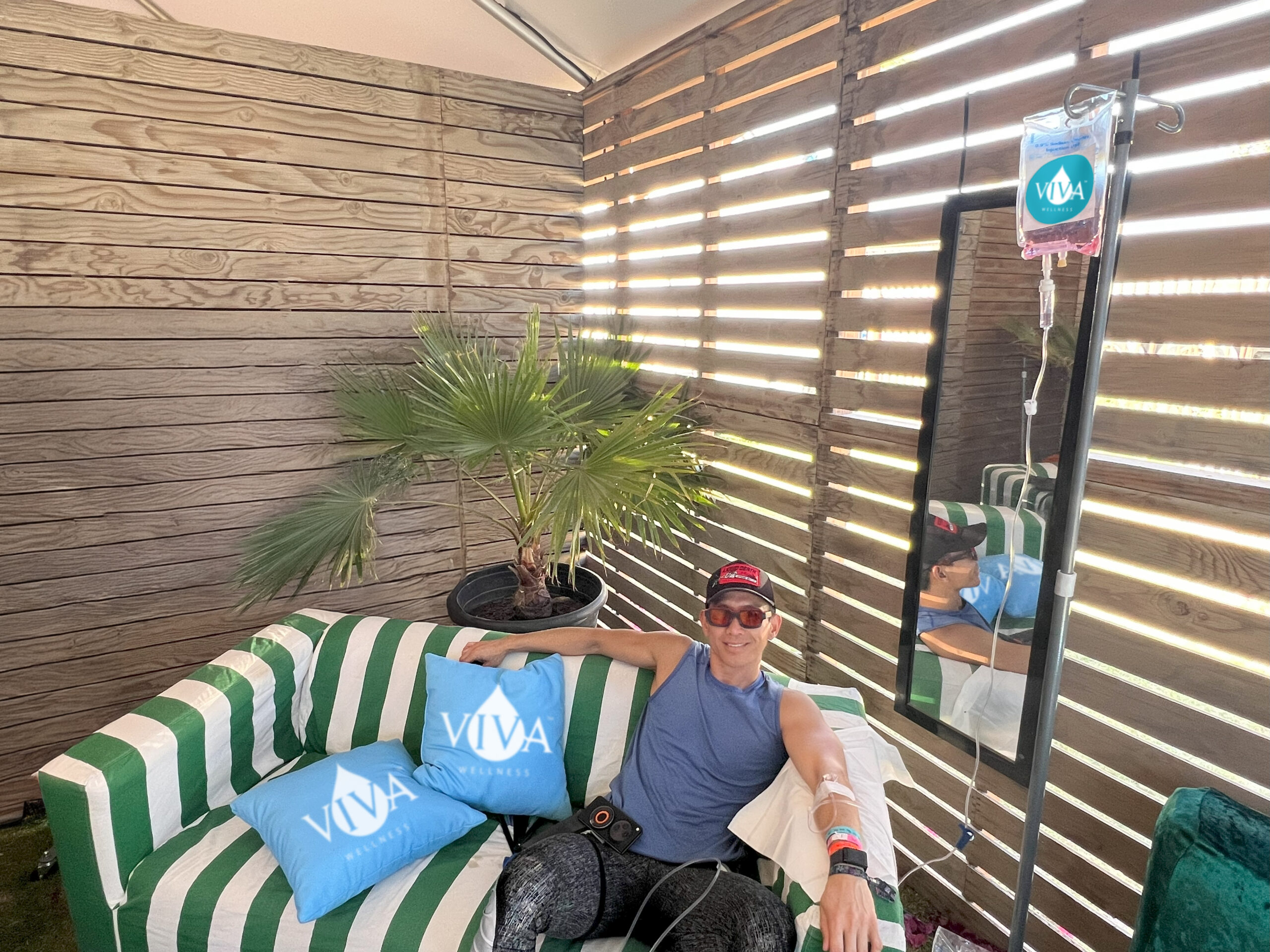
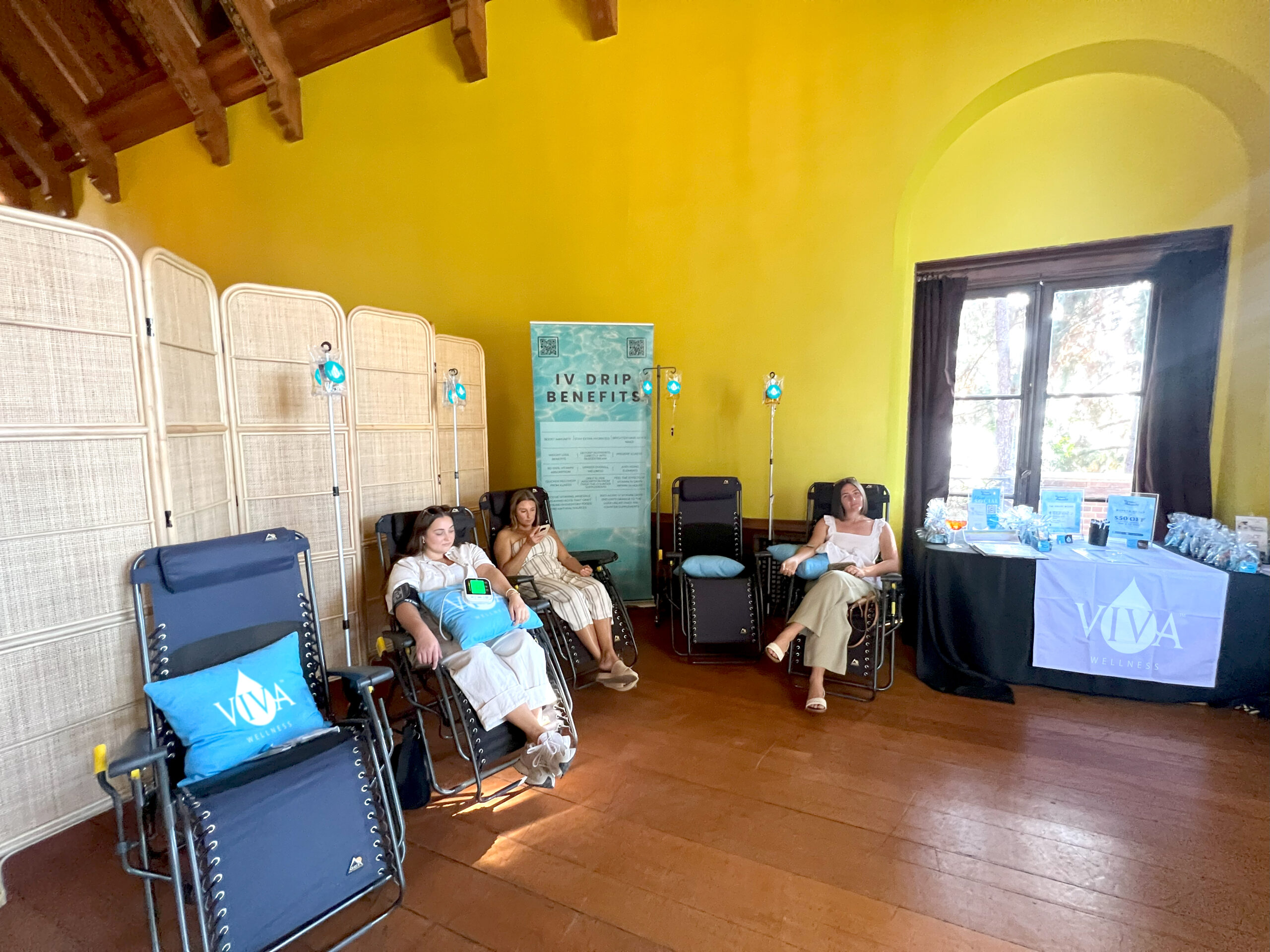
Clinics offer options that target specific health needs like vitamin boosts or energy support.
How Oral Water Hydration Works
Shifting our focus from IV hydration, let’s examine how oral water hydration works. When you drink water, your body absorbs it in the stomach and small intestine. This process takes time, as your digestive system needs to break down and transport the fluid into your bloodstream.
Oral absorption lacks efficiency; it may require 2–3 liters of water to match the benefits of a single IV drip.
Hydration challenges arise for those relying only on drinking water. For athletes, studies show that rehydration happens more quickly with IV fluids than with oral methods. Drinking enough water consistently is vital but often inadequate for immediate relief.
While staying hydrated through drinking is essential, its effectiveness pales compared to the speed and potency of IV therapy when faced with severe dehydration or high demand situations.
Key Differences Between IV Hydration and Oral Water
IV hydration and oral water offer different benefits, especially for those seeking rapid or efficient rehydration. The table below highlights the main differences between the two options.
| Aspect | IV Hydration | Oral Water |
| Speed of Hydration | Works within minutes; delivers fluids directly into bloodstream. | Absorption takes longer; the body must process fluids through digestion first. |
| Effectiveness | Up to 3x more effective than drinking water alone. | May require 2–3 liters to match the hydration level of a single IV drip. |
| Relief and Replenishment | Provides quick relief; often used when oral hydration is insufficient. | Slower relief; may not be enough during extreme dehydration or illness. |
| Nutrition and Targeted Treatment | Can include vitamins and nutrients; offers targeted solutions for health needs. | Only provides hydration; no added nutrients unless consumed with food or supplements. |
| Accessibility | Available on demand; used in clinics, sports recovery, and wellness centers. | Accessible anywhere; no special equipment needed. |
| Use in Athletics | Rehydration is more rapid; several studies show faster results in athletes. | Common but less efficient for rapid rehydration after intense physical activity. |
| Duration of Benefits | Benefits are transient; small differences in hydration markers. | Longer process; requires consistent intake for steady hydration. |
When to Choose IV Hydration Over Oral Water
IV hydration outperforms oral water in specific situations. Understanding when to opt for the IV drip can significantly enhance hydration efficiency.
- Choose IV hydration when you require rapid rehydration. Studies show that athletes absorb fluids faster through IVs than by drinking water.
- Opt for IV therapy during illness, especially if you experience vomiting or diarrhea. Oral hydration challenges may hinder your ability to drink enough water.
- Select IV fluids after intense workouts or sports events. Post-exercise recovery improves significantly with targeted IV treatments, restoring electrolytes swiftly.
- Consider an IV drip if you need extra nutrients quickly. Customized drips can include vitamins and minerals, providing essential support right when you need it.
- Use IV hydration when oral intake seems insufficient due to medical conditions or surgery recovery. In such cases, the drip can supply vital hydration and nutrition effectively.
- Choose this option for situations involving dehydration risks, like extreme heat or altitude changes. In these environments, quick relief becomes necessary; an IV provides immediate replenishment.
- If nausea affects your ability to drink liquids, consider using an IV drip as a solution instead of forcing down more water.
- Individuals looking for convenience may prefer on-demand access to intravenous fluids even without serious medical needs; this option ensures they stay well-hydrated easily.
- Address specific health concerns by selecting an appropriate IV therapy type aimed at those needs quickly and effectively.
Conclusion
Choosing between IV hydration and oral water can be crucial for your health. IV hydration offers rapid benefits, especially when you need quick rehydration. Oral water still plays an important role in daily hydration but may not always suffice.
Evaluate your needs carefully, and don’t hesitate to opt for the drip when urgency counts. Make informed choices to stay refreshed and healthy!
FAQs
1. What is the main difference between IV hydration and drinking water by mouth?
IV hydration delivers fluids directly into your bloodstream through a vein, while oral water must pass through your digestive system before entering your body.
2. When should someone pick IV hydration instead of oral water?
Choose IV hydration if you need fast rehydration, cannot keep fluids down due to vomiting, or are severely dehydrated from illness or heat.
3. Does IV hydration work faster than drinking water by mouth?
Yes; because it bypasses digestion and goes straight into the blood, IV fluids hydrate you more quickly than oral intake.
4. Are there risks with choosing an intravenous drip over regular drinking?
IV drips can cause infection at the needle site or allergic reactions in rare cases; always get medical advice before using them unless directed during emergencies.