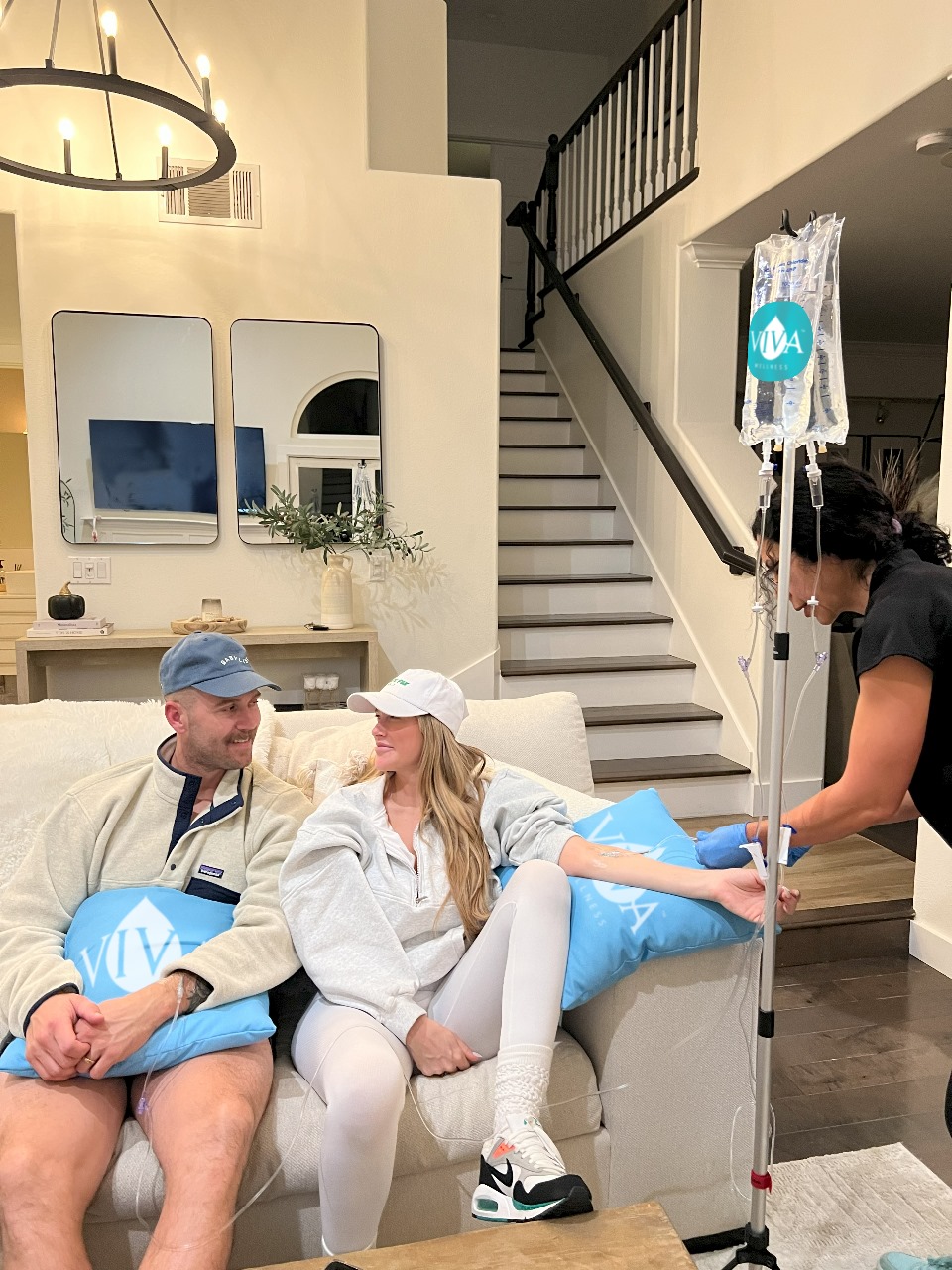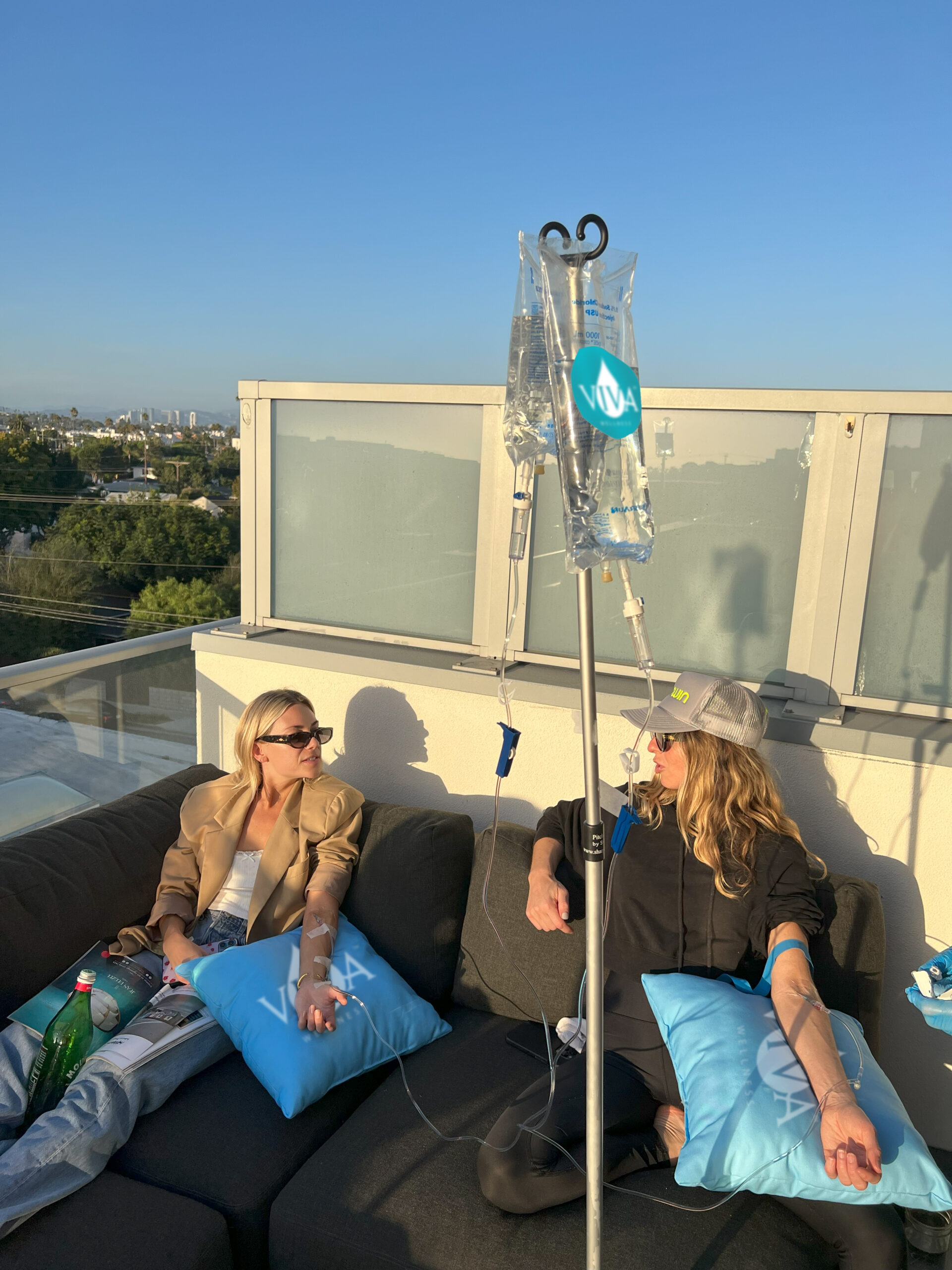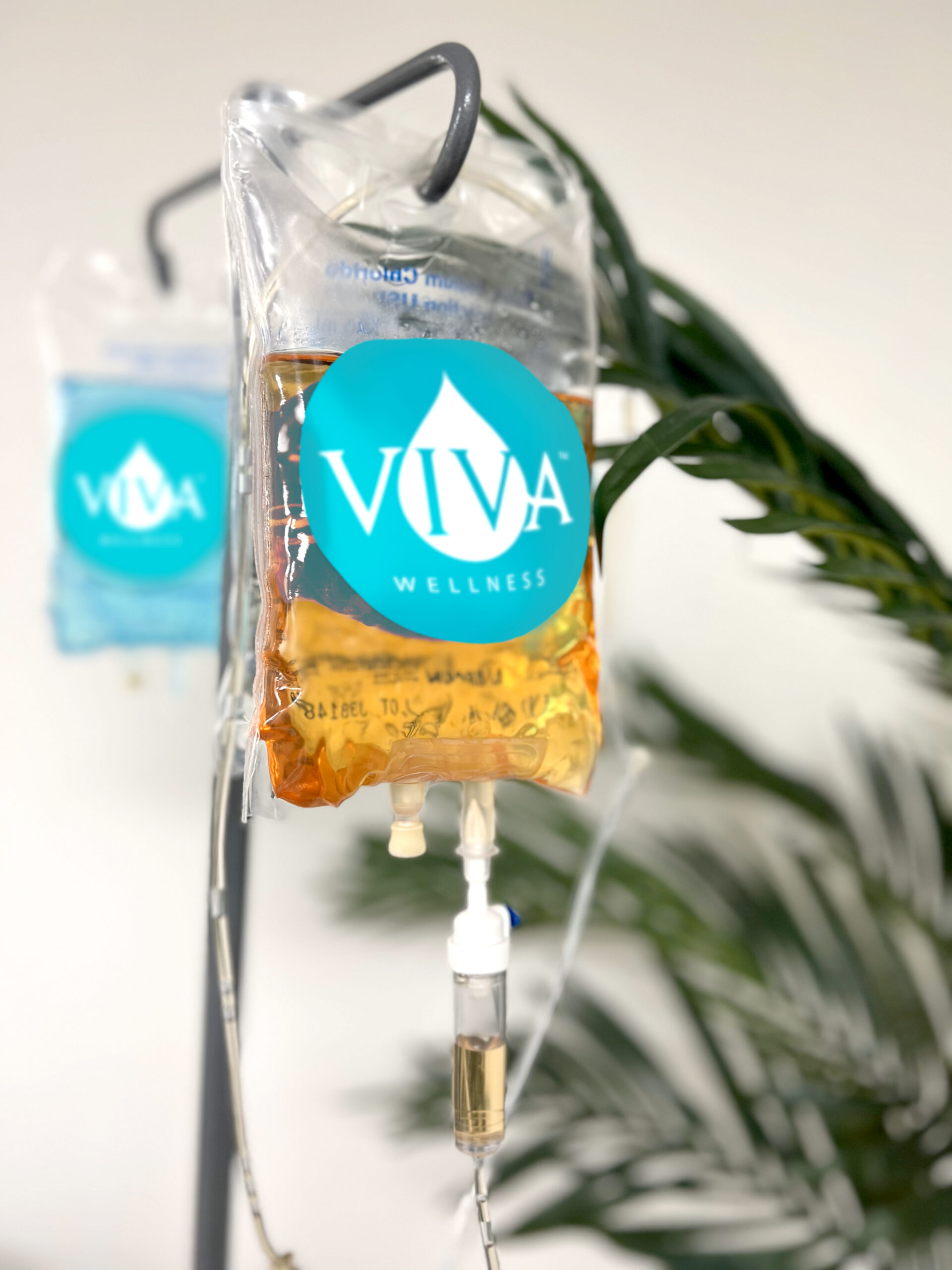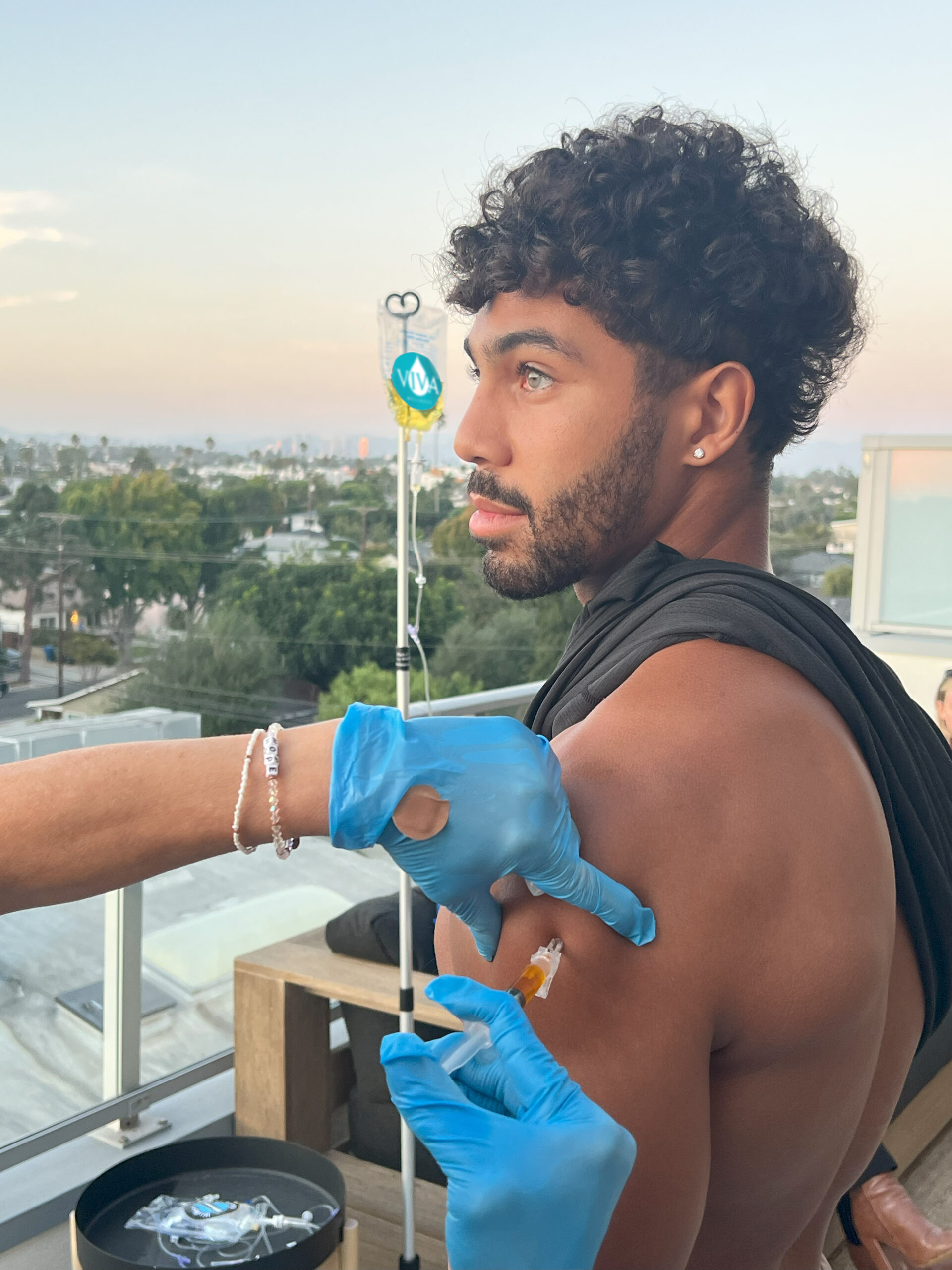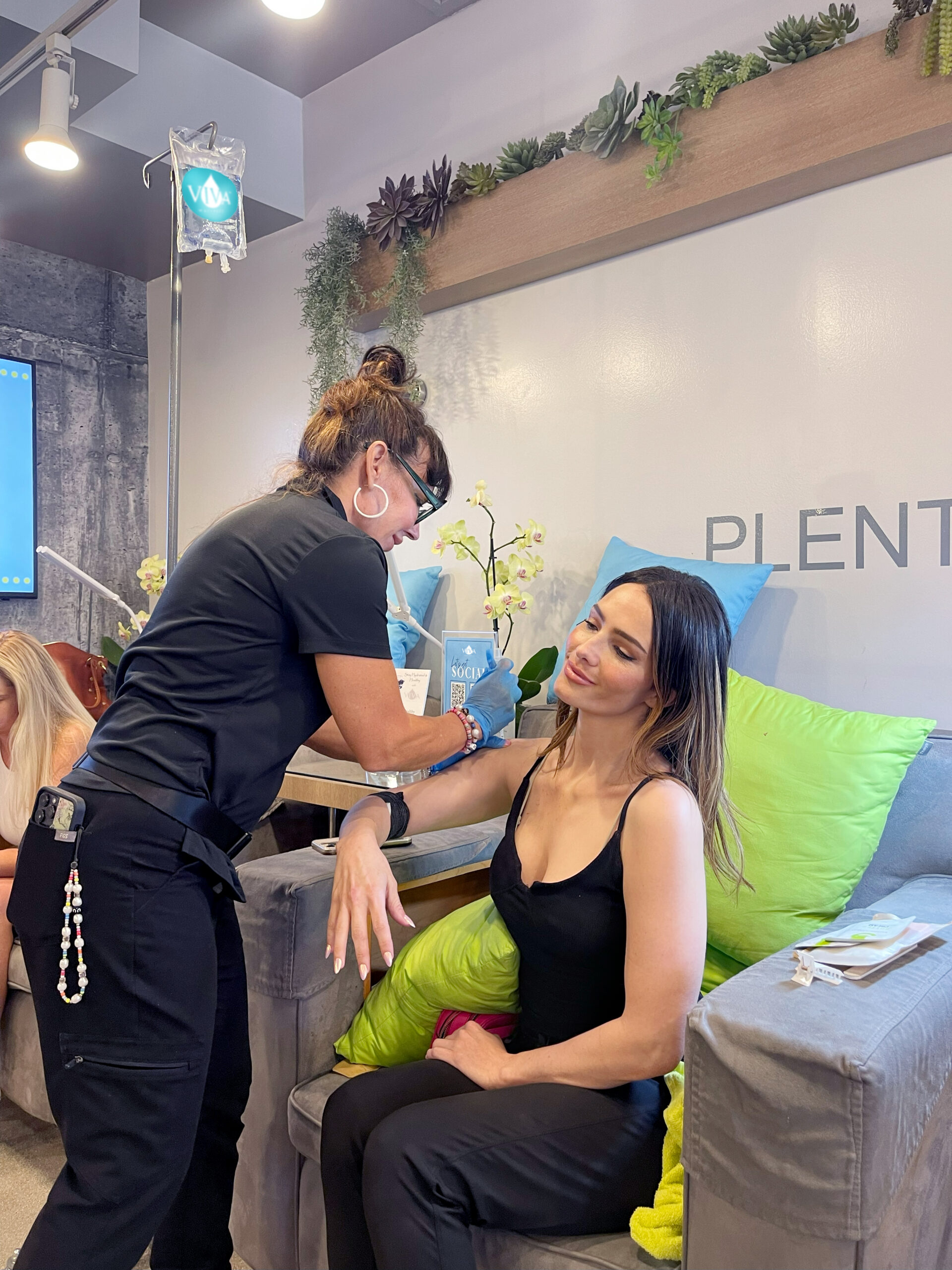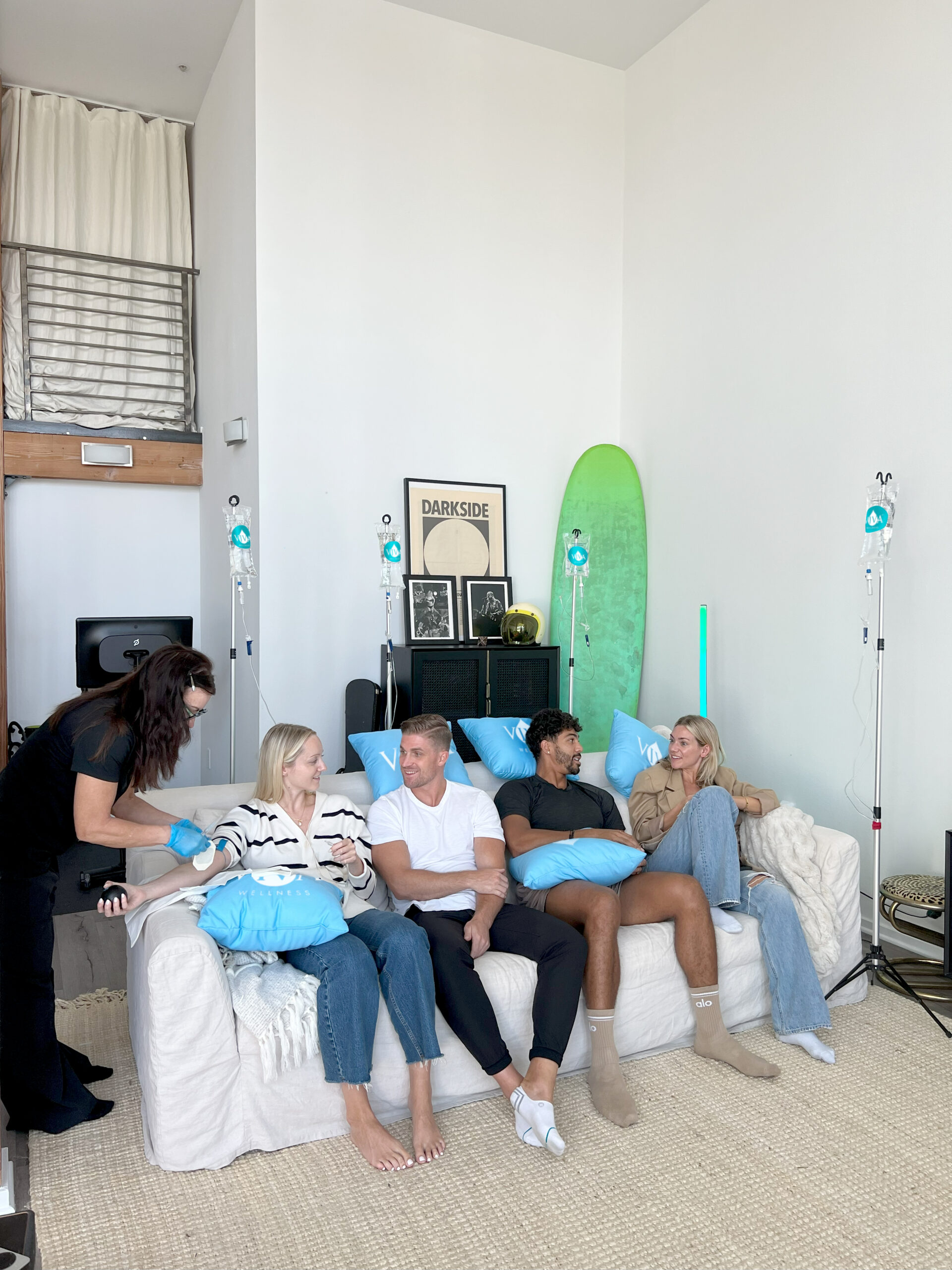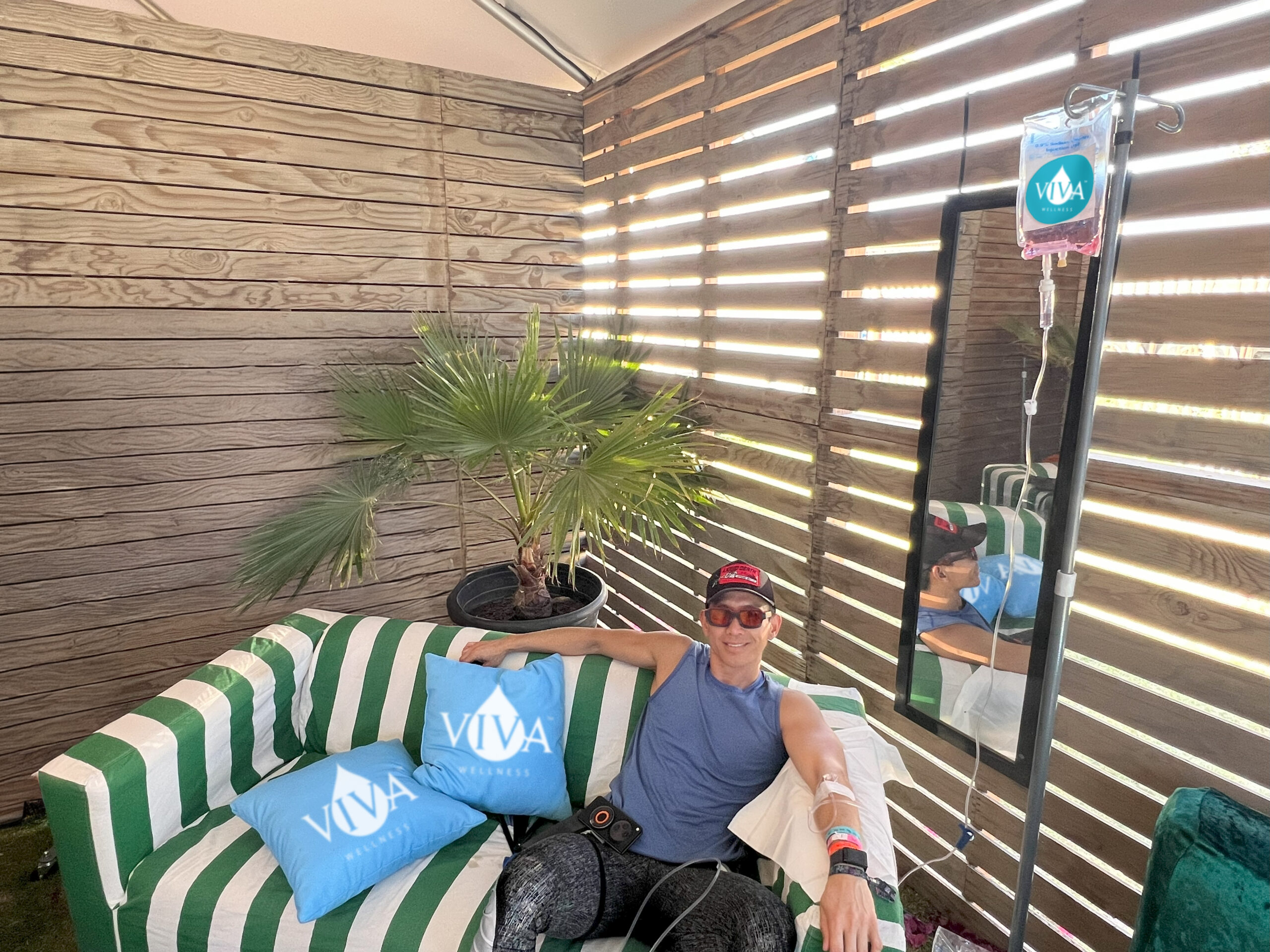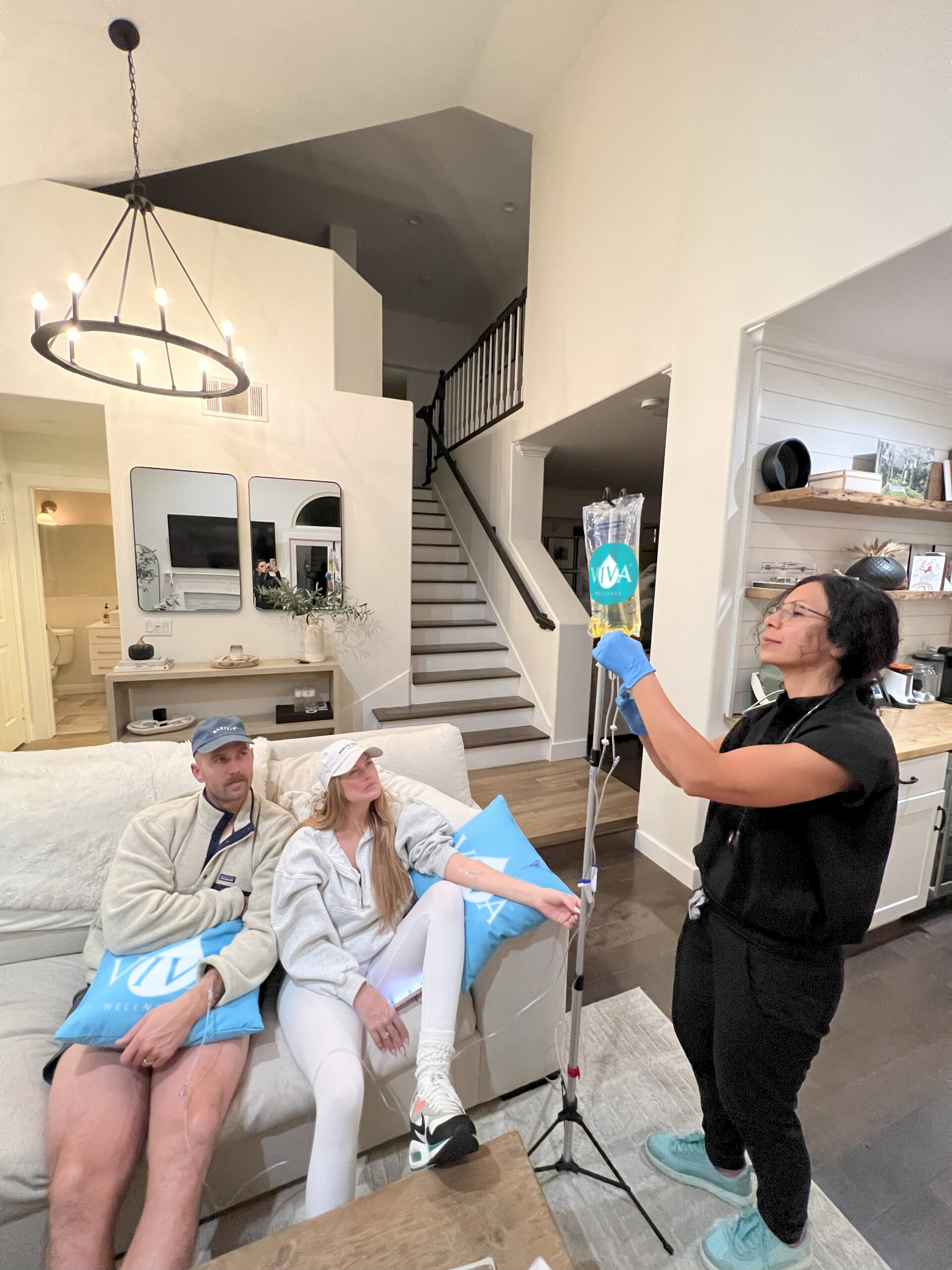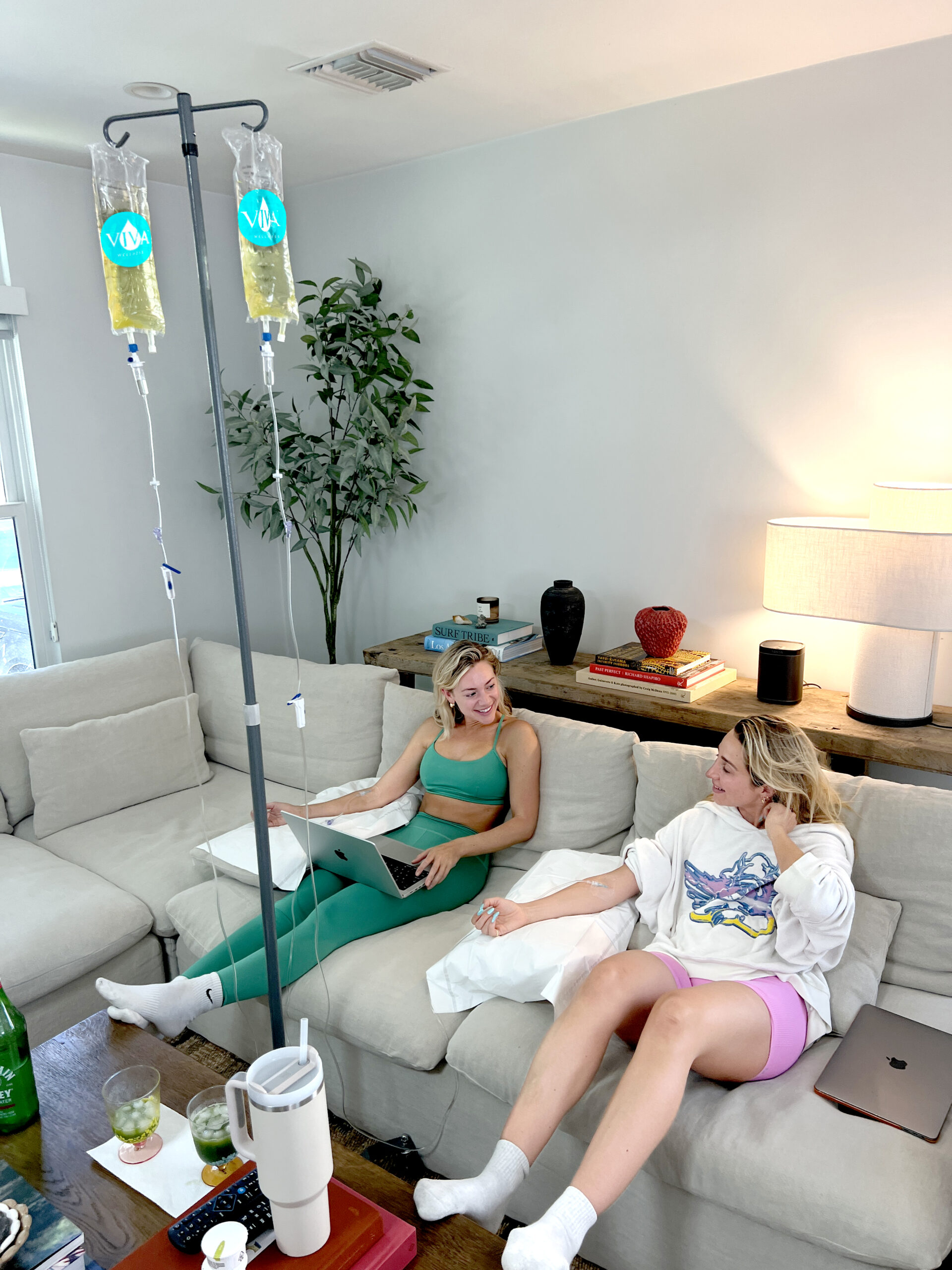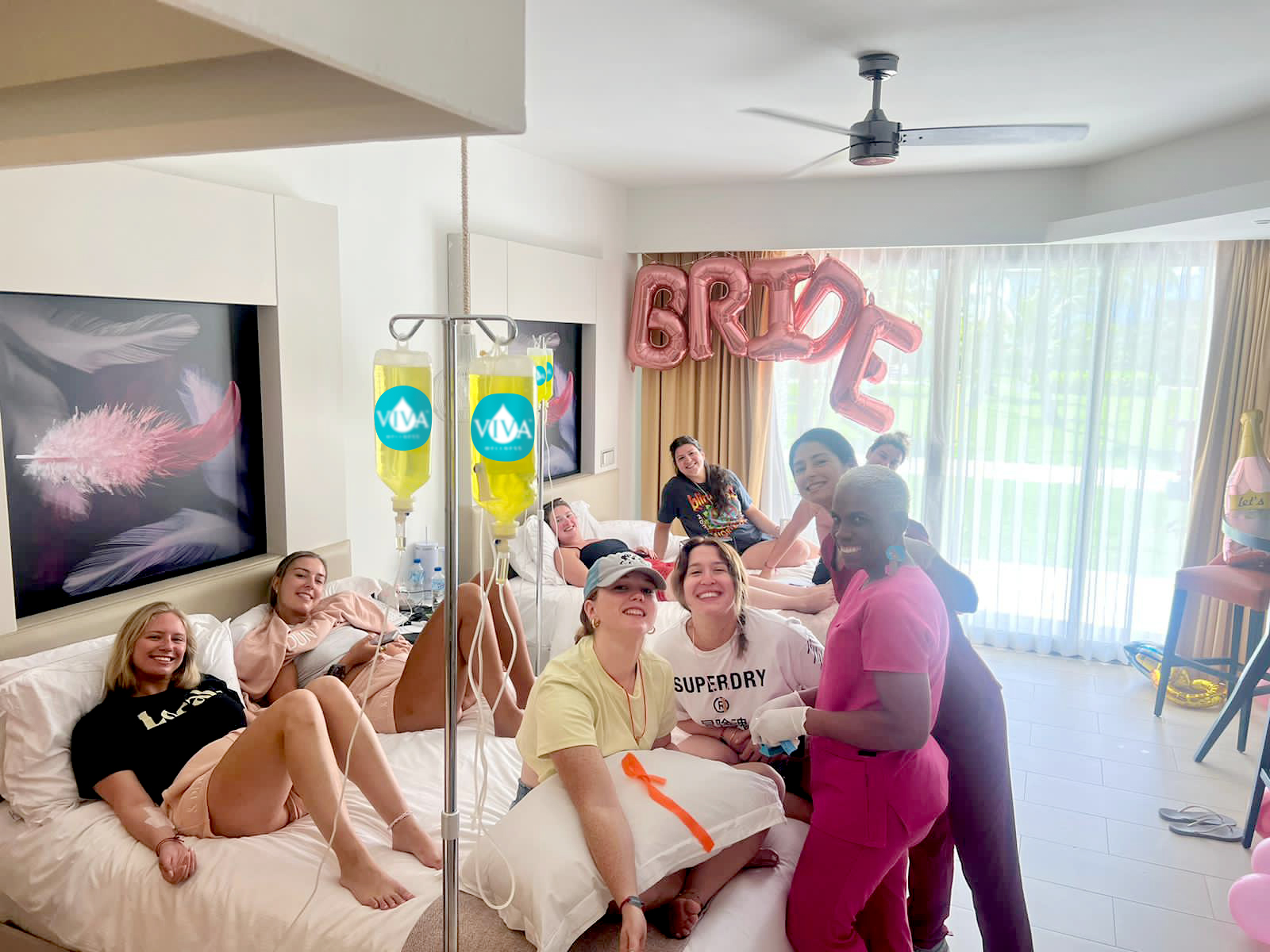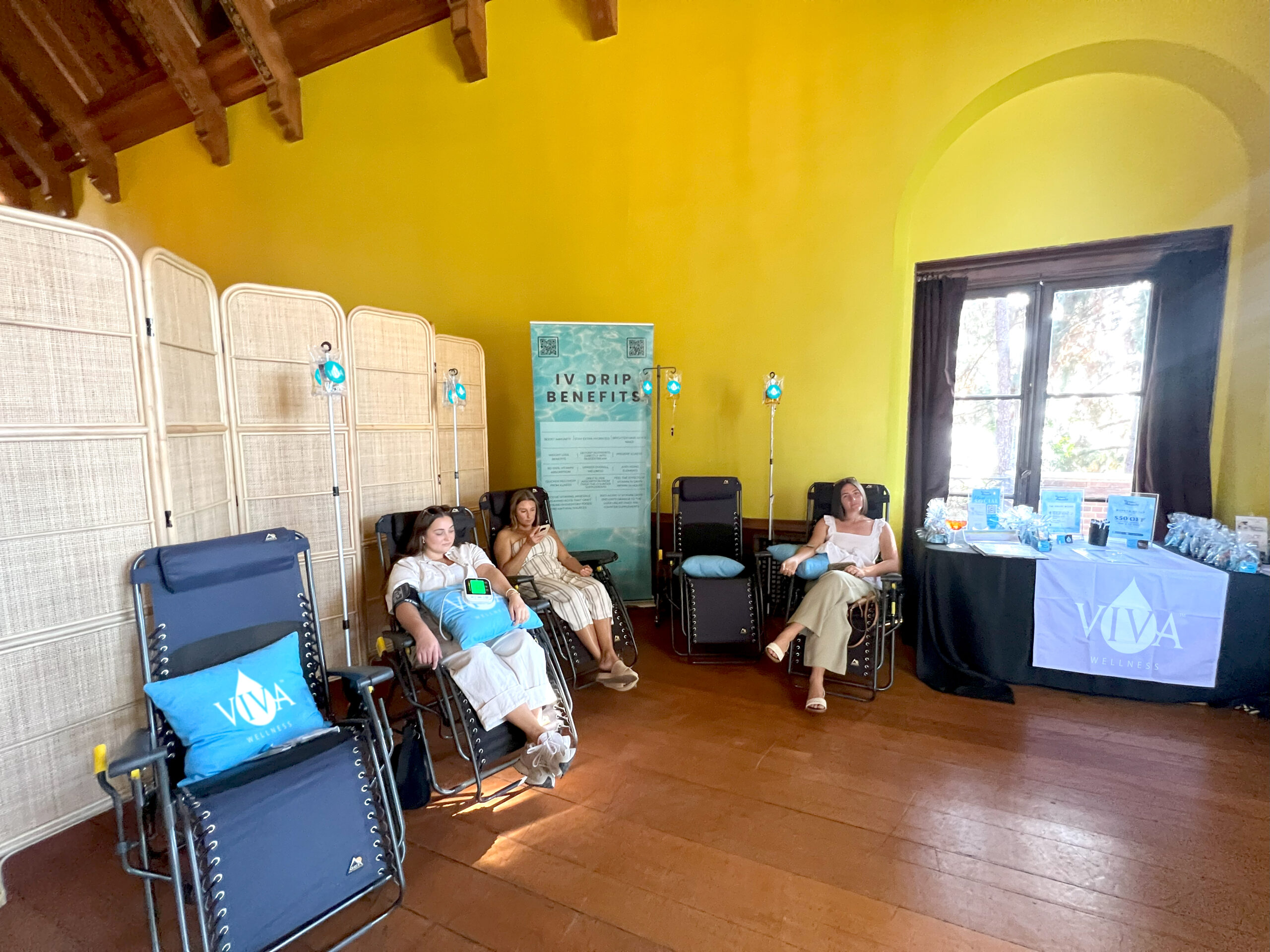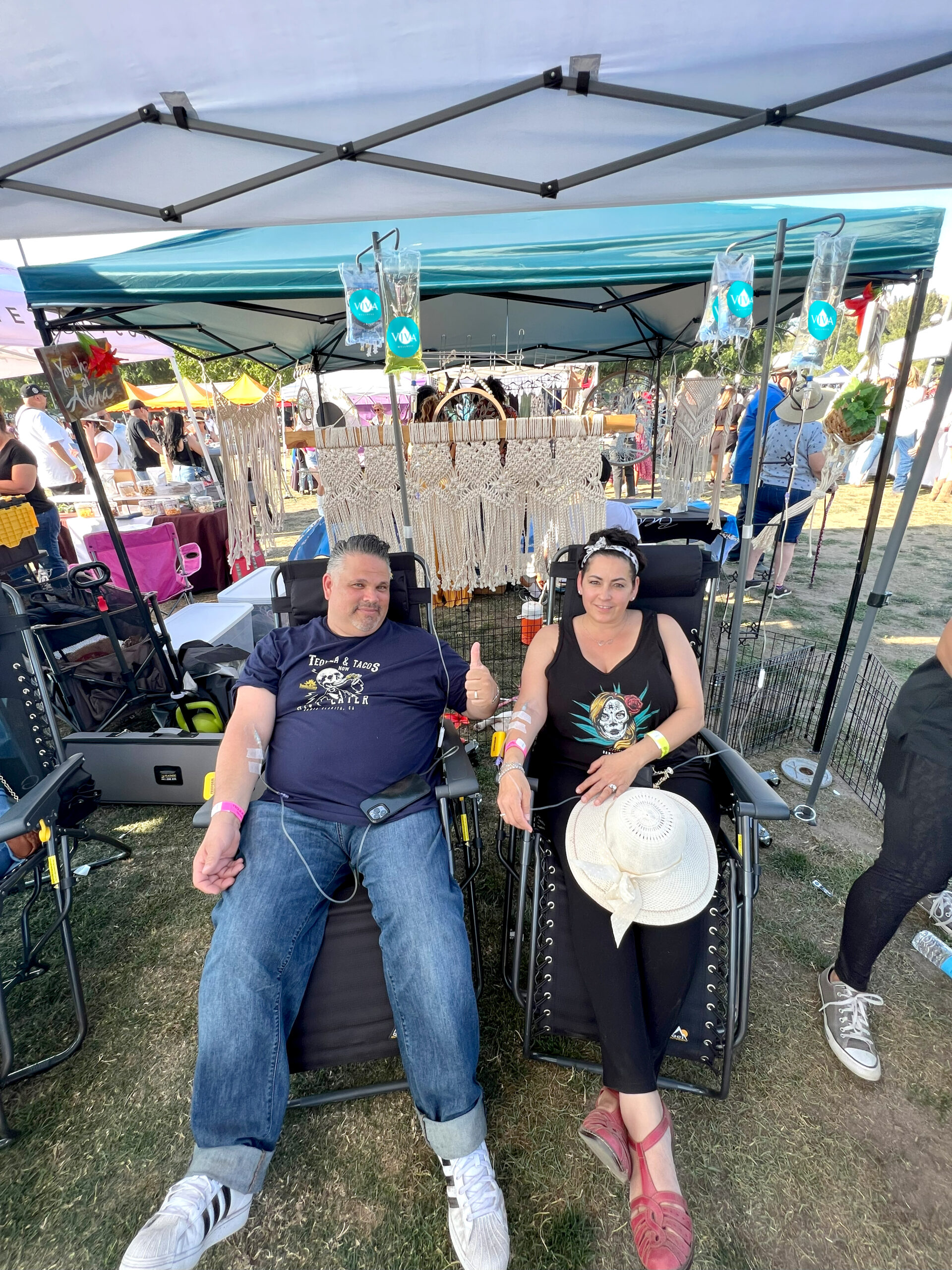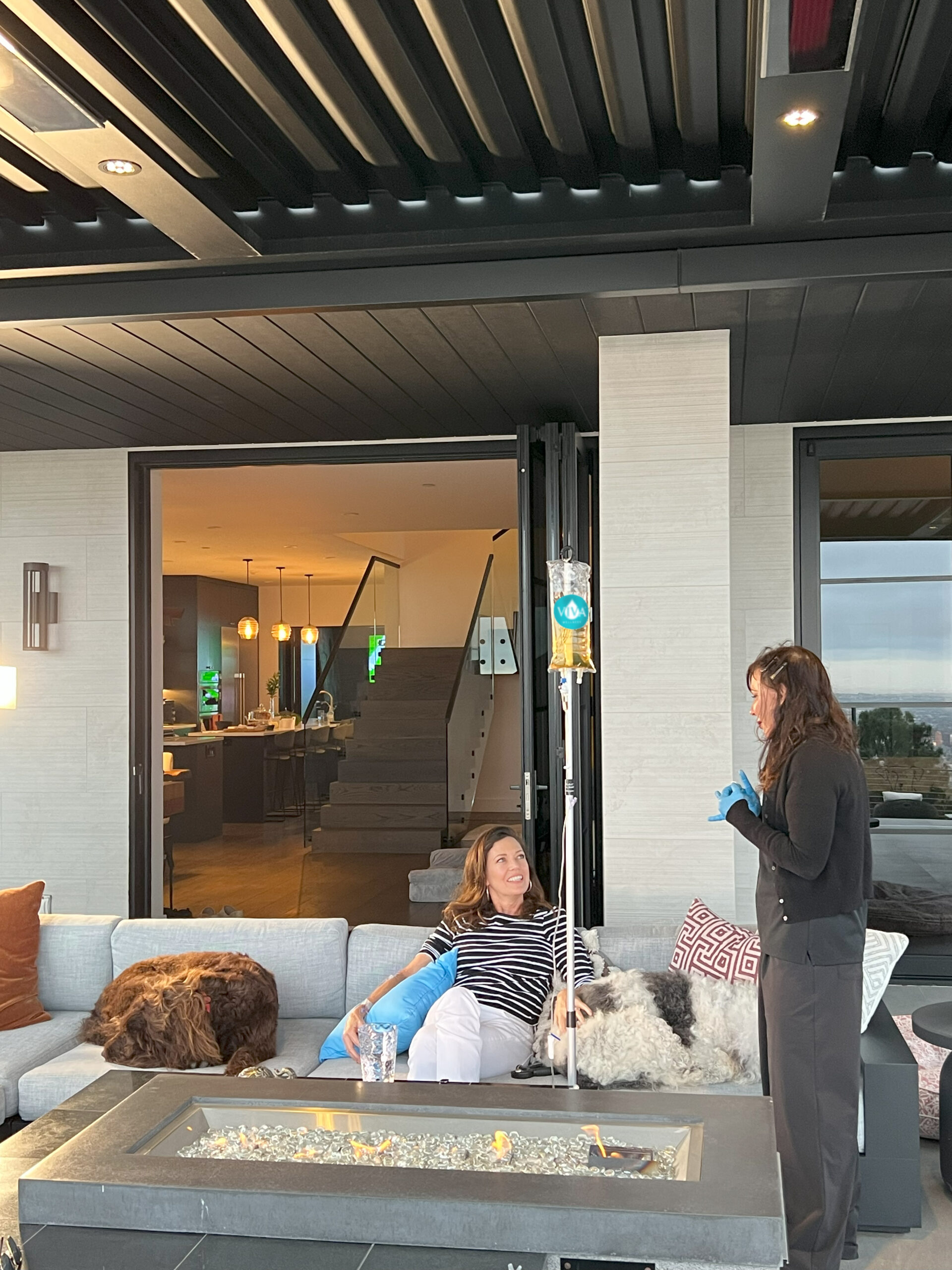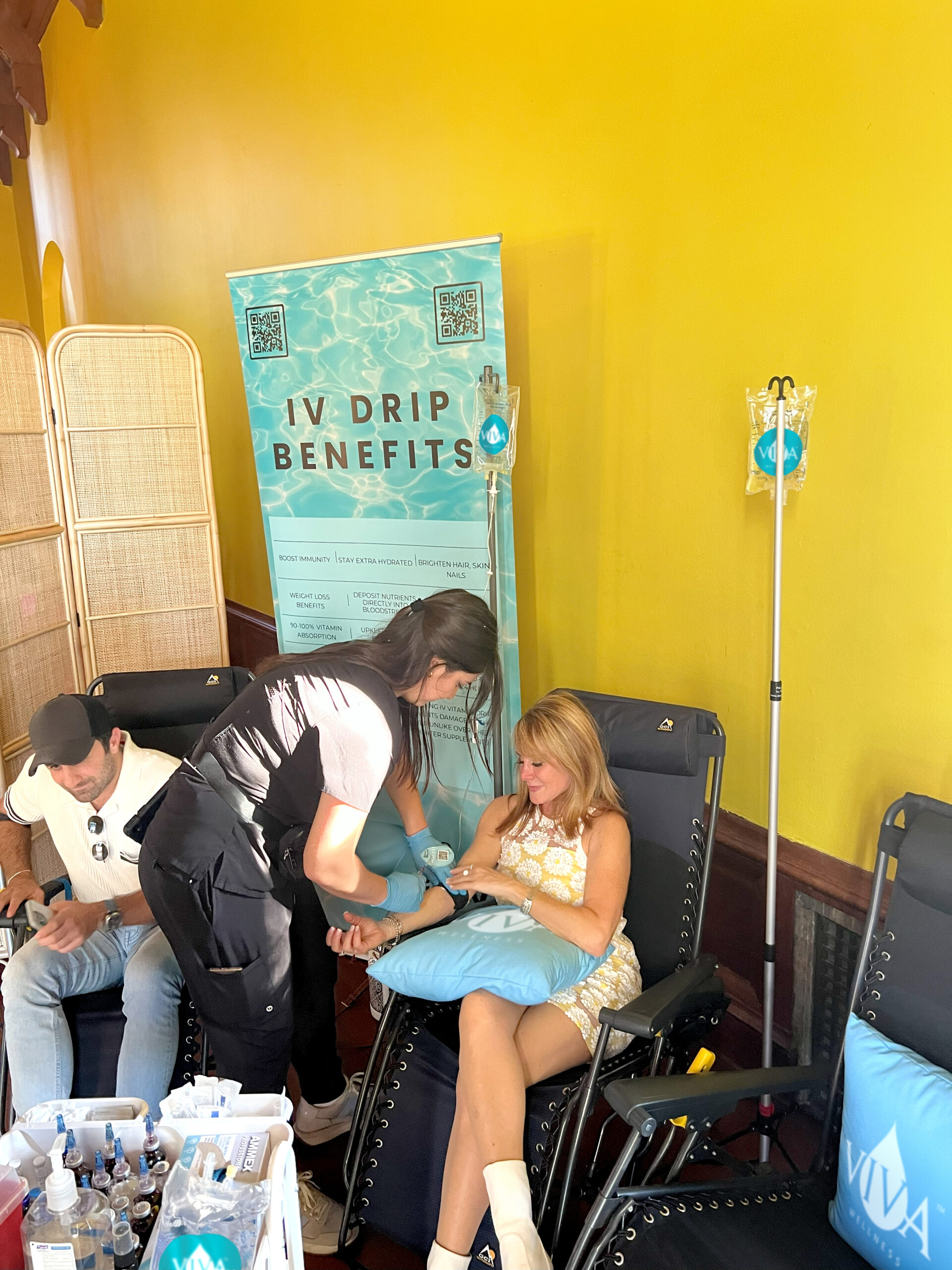
The shift toward personalized, at-home healthcare has turned the concept of wellness on its head. No longer do you need to sit in a sterile waiting room to prioritize your hydration or nutrient intake. However, as the popularity of the mobile IV drip grows, so do the questions regarding its safety, the professional standards involved, and the actual mechanics of the procedure.
At Viva Wellness Drip, we believe that transparency is the cornerstone of any health service. When we bring premium, medically-directed vitamin infusions to your doorstep, we aren’t just bringing convenience—we are bringing a clinical environment into the comfort of your living room. Here is a deep dive into the most common questions and the rigorous standards we maintain.
1. Is a Mobile IV Drip as Safe as an In-Clinic Treatment?
One of the most frequent concerns is whether the “mobile” aspect compromises safety. The short answer is no—provided the service adheres to strict medical protocols. A high-quality mobile IV service operates under the same clinical oversight as a traditional med-spa or IV lounge.
Every session should begin with a comprehensive health screening. This isn’t just paperwork; it is a vital step where we review your medical history, allergies, and current medications. We’ve learned through years of experience that “one size fits all” does not apply to IV therapy. Some individuals may have sensitivities to specific concentrations of minerals like magnesium, or require slower infusion rates based on their cardiovascular health.
Pro Tip: The “Flash” Check
“In the field, a seasoned professional knows that the ‘flash’—the small amount of blood that appears in the catheter hub upon successful vein entry—is the first sign of a perfect placement. But beyond the puncture, the real expertise lies in ‘vein shopping.’ We don’t just look for a vein; we feel for the bounciness and health of the vessel to ensure the infusion remains comfortable for the entire duration.”
2. Who is Performing the Procedure?
Safety is entirely dependent on the person holding the needle. We prioritize the involvement of registered nurses (RNs) and medical professionals who are specifically trained in IV cannulation. These professionals are adept at identifying complications like infiltration (where fluid enters the surrounding tissue) or phlebitis (inflammation of the vein) before they become issues.
In our years of providing these services, we’ve found that the best practitioners are those who combine clinical precision with a “bedside manner” tailored for the home. It’s about more than just starting a line; it’s about monitoring the client’s vitals and ensuring they feel supported throughout the process.
3. What Does the Step-by-Step Procedure Look Like?
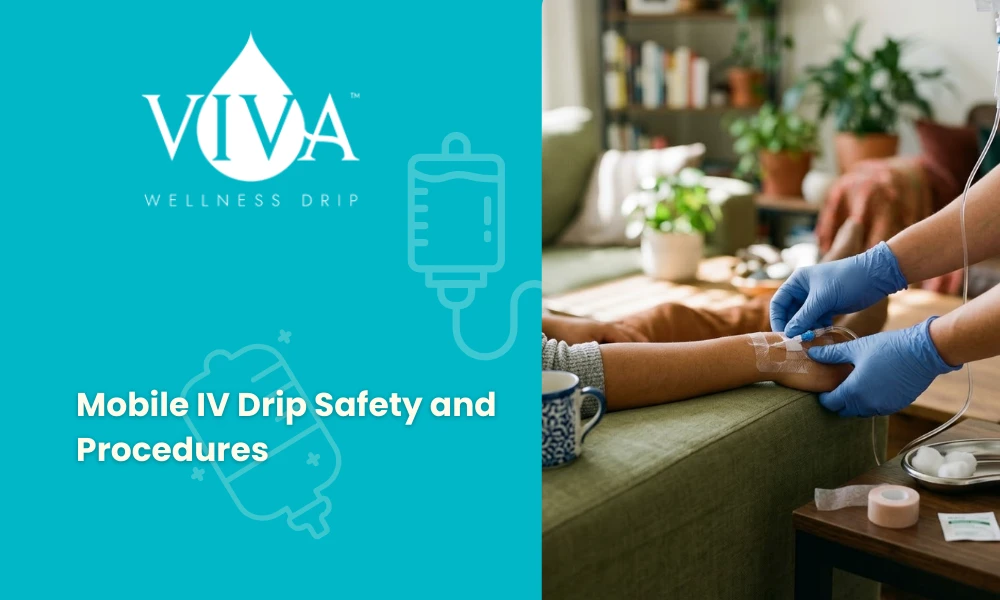
Understanding the timeline of a visit can alleviate a lot of anxiety. While every provider is different, the gold standard for a mobile IV drip follows a predictable, sterile path:
- Consultation & Vitals: The practitioner checks your heart rate, blood pressure, and oxygen levels.
- Site Selection: Choosing the best vein, usually in the arm or the back of the hand.
- Sanitization: Using medical-grade alcohol or chlorhexidine to prep the skin.
- The Insertion: A brief pinch as the catheter is placed.
- The Infusion: The vitamins and electrolytes flow into the bloodstream, usually taking 30 to 60 minutes.
- Post-Care: The catheter is removed, and a small bandage is applied.
| Feature | Standard Mobile IV Procedure | Sub-Standard Services |
| Medical Oversight | Licensed Medical Director | No clear physician oversight |
| Personnel | Registered Nurses (RNs) | Unlicensed or under-trained staff |
| Equipment | Single-use, sterile, hospital-grade | Reused or non-sterile components |
| Screening | Full medical history & vitals check | “Sign and go” with no health check |
4. Are the Ingredients Regulated and Safe?
The quality of what goes into the bag is just as important as how it gets into your arm. High-quality services use ingredients sourced from reputable, FDA-regulated compounding pharmacies. These solutions contain essential vitamins (like B12 and Vitamin C), minerals (like Zinc and Magnesium), and antioxidants (like Glutathione).
We ensure that every service we offer uses pH-balanced fluids that are isotonic to human blood. This prevents the “burning” sensation that can sometimes occur with poorly formulated mixtures. According to the National Institutes of Health, high-dose intravenous Vitamin C, for example, reaches much higher plasma concentrations than oral intake, which is why the purity of the source is non-negotiable.
5. What are the Potential Side Effects?
While serious complications are rare, it is important to be aware of minor side effects. Some clients may experience a cooling sensation in the arm, a metallic taste in the mouth (common with B-vitamins), or minor bruising at the injection site.
Our professional secret? We always recommend staying hydrated orally even before the IV arrives. It makes the veins easier to access and can actually help the body process the concentrated nutrients more efficiently. If a client ever feels lightheaded or nauseous during a drip, our trained nurses are equipped to adjust the flow rate immediately.
Experience the Viva Wellness Difference
Whether you are looking for recovery, an immunity boost, or general wellness support, we bring the clinic to you. Our teams in various locations, including our dedicated professionals providing IV therapy in Edmonton, are committed to the highest safety protocols in the industry.
By choosing a mobile IV drip from a trusted provider, you are choosing a path to wellness that respects both your health and your time. It’s about more than just hydration; it’s about a personalized approach to your long-term vitality.
FAQ
How long does a mobile IV session usually take?
Most sessions take between 45 and 60 minutes. This includes the initial health screening, the setup, and the infusion itself. We recommend seting aside an hour so you can fully relax and enjoy the experience.
Does getting an IV drip hurt?
Most clients describe the sensation as a quick “pinch” during the initial needle insertion. Once the catheter is in place, you should not feel any pain. If you have a phobia of needles, let your nurse know; they have techniques to make the process as comfortable as possible.
How often should I get a mobile IV drip?
This depends on your personal health goals. Some clients prefer a weekly boost for chronic conditions or high-performance lifestyles, while others call us as needed for recovery or travel fatigue. A consultation with our medical team can help determine the right frequency for you.
Can I move around during the infusion?
While you need to keep the arm with the IV relatively still to maintain the flow, you can certainly sit up, read, work on a laptop, or even watch TV. The goal is for you to be as comfortable as possible in your own environment.
Are there any contraindications for IV therapy?
Yes. Individuals with certain heart conditions, kidney disease, or specific electrolyte imbalances may not be candidates for certain types of IV therapy. This is why our mandatory medical screening is so critical to our safety procedures.