
Many people want to understand how reggae music grew from local street sounds to a global force. Reggae started in Kingston, Jamaica, and reflects the city’s history of struggle and celebration.
This blog will help you trace reggae’s roots from Kingston’s lively neighborhoods to the world stage. Keep reading to find out how Jamaican culture shaped this powerful sound.
Key Takeaways
- Reggae music began in the streets of Kingston, Jamaica, especially in neighborhoods like Trench Town. The genre reflects both struggle and celebration from Jamaican history.
- Bob Marley was reggae’s most famous artist. His song “One Love” became the BBC’s Song of the Millennium and his album “Legend” still sells over 250,000 copies yearly since 1984.
- Reggae grew during political unrest in Jamaica during the 1970s. Marley’s One Love Concert in 1978 aimed to unite a divided country with music.
- Other major artists, like Peter Tosh and Jimmy Cliff, helped bring reggae to global audiences through bold songs and films such as “The Harder They Come.”
- Kingston preserves reggae’s legacy with sites like the Bob Marley Museum, Trench Town Culture Yard, Reggae Sumfest festival, National Gallery of Jamaica, and the annual One Love Festival honoring Marley’s impact on culture and peace.
The Birth of Reggae in Kingston’s Streets
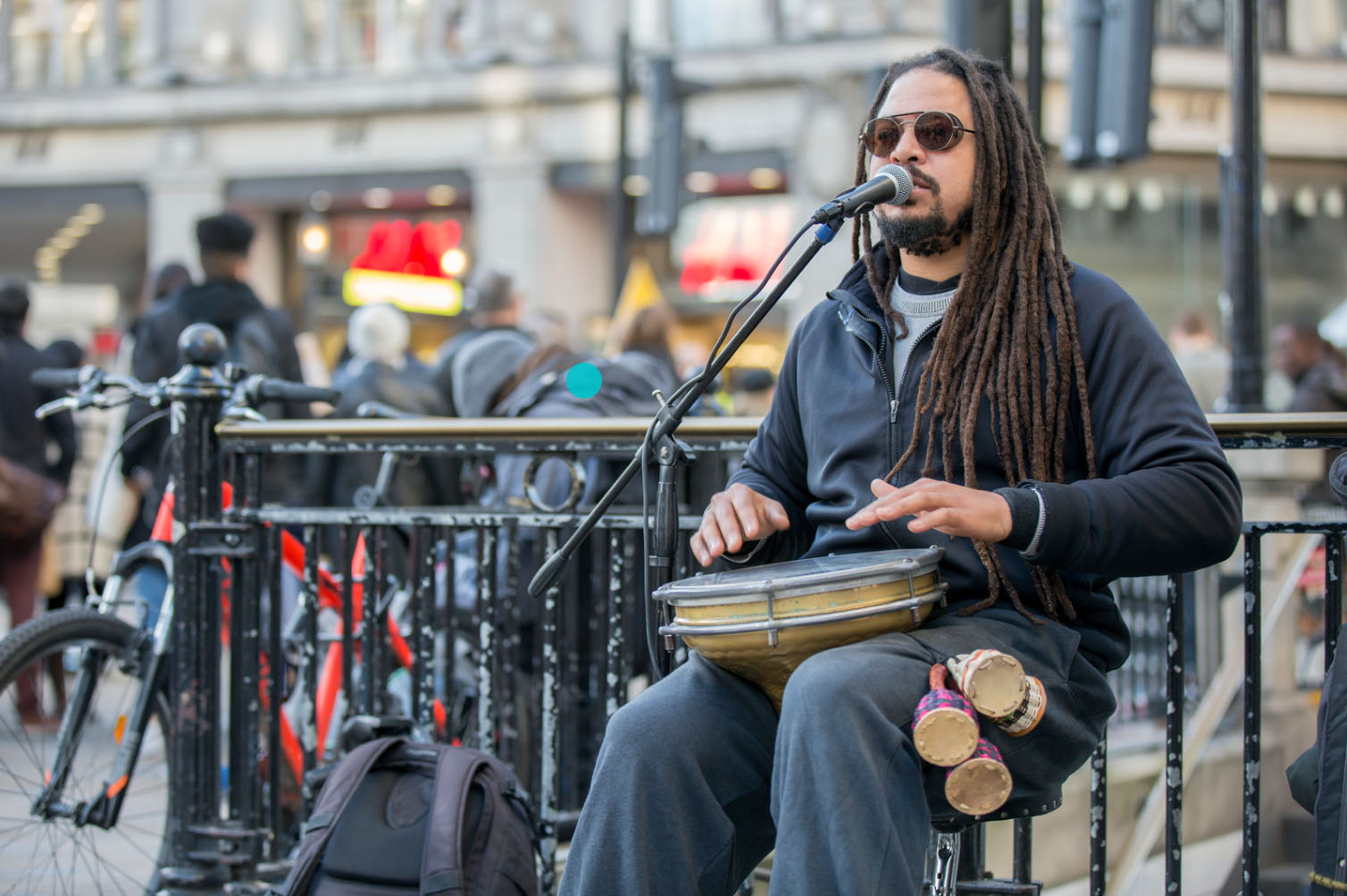
Songs filled the air as Kingston’s streets buzzed with street music and rhythm. Reggae grew from local gatherings, shaping Jamaica’s music scene for decades to come.
Cultural and historical influences
Kingston’s streets shaped reggae as a symbol of resistance and hope. The music started in neighborhoods like Trench Town, where childhood friends blended Caribbean rhythms with stories from Jamaican history.
Reggae artists drew from the struggles and triumphs found in daily life. Political unrest during the 1970s fueled songs about unity and peace.
Bob Marley’s “One Love” became an anthem for healing Jamaica’s divisions at the famous One Love Concert in Kingston in 1978. This event aimed to bring stability to a violence-stricken country through song.
The BBC named “One Love” Song of the Millennium, highlighting its global impact on culture and music tourism.
Reggae carries the soul of Jamaica and is rooted in struggle and celebration.
Role of Kingston’s neighborhoods in shaping reggae
Cultural and historical influences shaped reggae music in Kingston. The vibrant streets of Trench Town played a crucial role in its birth. This neighborhood became a melting pot for creativity, where childhood friends united to make powerful music.
Their experiences reflected both struggle and celebration, which are central themes in reggae.
Kingston’s neighborhoods fostered unique sounds and styles within reggae. Artists drew from their surroundings, transforming pain into art that resonated with many. Bob Marley emerged from these roots, turning his experiences into timeless songs like “One Love.” The song even earned the title of Song of the Millennium by the BBC.
As reggae spread worldwide, Kingston nightlife remained a stronghold for artists who continued to push boundaries while honoring their heritage.
Reggae’s Journey to the Global Stage
Reggae took off and reached audiences around the world. Artists like Bob Marley and Peter Tosh spread its message of love and unity through their powerful music.
Iconic artists and their impact
Bob Marley stands as the most iconic figure in reggae music. His song “One Love” gained immense recognition and became the Song of the Millennium, according to the BBC. Marley’s music carried messages of hope and unity during Jamaica’s turbulent times, especially leading up to his famous 1978 One Love Concert in Kingston.
This event aimed to bring stability and peace to a divided country.
Other artists like Peter Tosh and Jimmy Cliff also left their mark on reggae’s evolution. Tosh’s bold lyrics challenged social injustices while Cliff brought reggae to international audiences through films like “The Harder They Come.” The combined efforts of these legendary musicians helped spread reggae’s influence across the globe, showcasing its roots in struggle and celebration.
Bob Marley’s compilation album “Legend,” released in 1984, continues to sell over 250,000 copies annually, solidifying his legacy for new generations.
International recognition and influence
Reggae gained international recognition through artists like Bob Marley, whose music resonated across the globe. His song “One Love” received the title of Song of the Millennium from the BBC, showcasing its timeless message.
Since its release in 1984, Marley’s “Legend” compilation has sold over 250,000 copies each year. Reggae’s upbeat rhythms and powerful lyrics captured hearts everywhere. This genre carries the spirit of Jamaica and highlights both struggle and celebration.
As reggae spread worldwide, it influenced various music styles and cultures beyond Jamaica. The sound became a symbol of resistance and hope for many. Iconic festivals celebrated reggae’s roots while introducing new audiences to Kingston’s vibrant scene; these events continue to uphold this rich musical legacy today.
Moving forward, we explore how Kingston preserves reggae’s legacy through museums and cultural festivals.
Preserving Reggae’s Legacy in Kingston
Kingston celebrates reggae’s rich history through vibrant museums and cultural festivals. These venues keep the spirit of reggae alive for future generations.
Museums, landmarks, and cultural festivals
Kingston celebrates reggae through various museums, landmarks, and cultural festivals. These sites honor the music’s rich history and its impact on Jamaica and the world.
- The Bob Marley Museum stands as a vital landmark. Located in Marley’s former home, this museum displays his personal belongings and achievements. Visitors can explore the rooms where he created timeless music.
- Trench Town Culture Yard offers an immersive experience in reggae’s birthplace. This site showcases art, history, and the sounds that inspired Bob Marley and others. Tours highlight the neighborhood’s role in shaping reggae music.
- Reggae Sumfest draws thousands each year to celebrate the genre. This annual festival features top artists from Jamaica and around the globe. Fans enjoy live performances that embody reggae’s spirit of resistance, hope, and celebration.
- The National Gallery of Jamaica includes works that depict reggae culture. It showcases visual art inspired by music genres born from Kingston’s streets. The gallery enriches visitors’ understanding of reggae’s aesthetic influence.
- The One Love Festival honors Bob Marley’s legacy annually in February. This event includes concerts, cultural activities, and discussions about Marley’s impact on Jamaican politics and society. Fans unite to celebrate his message of peace through music.
These cultural sites create a vibrant tapestry reflecting Kingston’s identity through reggae. Each location invites music lovers to connect with Jamaica’s musical roots while preserving its legacy for future generations.
Conclusion
Reggae’s journey from Kingston’s streets to the global stage is a powerful story. The music embodies Jamaica’s spirit, mixing struggle with joy. Bob Marley played a vital role in sharing reggae worldwide.
His songs, like “One Love,” resonate deeply and inspire many. As we celebrate these roots, we honor the rich legacy of this vibrant genre.
FAQs
1. Where did reggae music first develop and how did Kingston shape its sound?
Reggae music began in Kingston, Jamaica. The city’s busy streets and local culture gave reggae its unique rhythm and message.
2. What global impact has reggae had since leaving Kingston?
Reggae spread from Kingston to the world stage, influencing artists worldwide. Its messages of unity and love resonated across many cultures.
3. Who are some key figures in bringing reggae from Kingston to international fame?
Artists like Bob Marley helped take reggae beyond Jamaica. Their songs told stories that connected people everywhere.
4. How does the spirit of “One Love” reflect the roots of reggae in Kingston’s community life?
“One Love” captures the hope for unity found in Kingston’s neighborhoods. This idea became central to both local identity and global appeal of reggae music.