Quick Take (TL;DR)
- Intravenous nutrition delivers vitamins, minerals, and antioxidants directly into the bloodstream at near-100% bioavailability — a pharmacological advantage no oral supplement can replicate
- The shift from reactive to preventative health is the defining wellness movement of 2026 — and IV drip therapy sits at the centre of it
- Mobile IV drip therapy removes the last remaining barrier to consistent preventative care: the friction of getting to a clinic
- Side effects are minimal and well-characterized; serious adverse events are almost entirely provider-dependent
- Viva Wellness Drip delivers pharmaceutical-grade, medically-directed IV therapy to your home — built for clients who take their healthspan seriously
From Reactive Medicine to Preventative Science: The Shift That Changes Everything
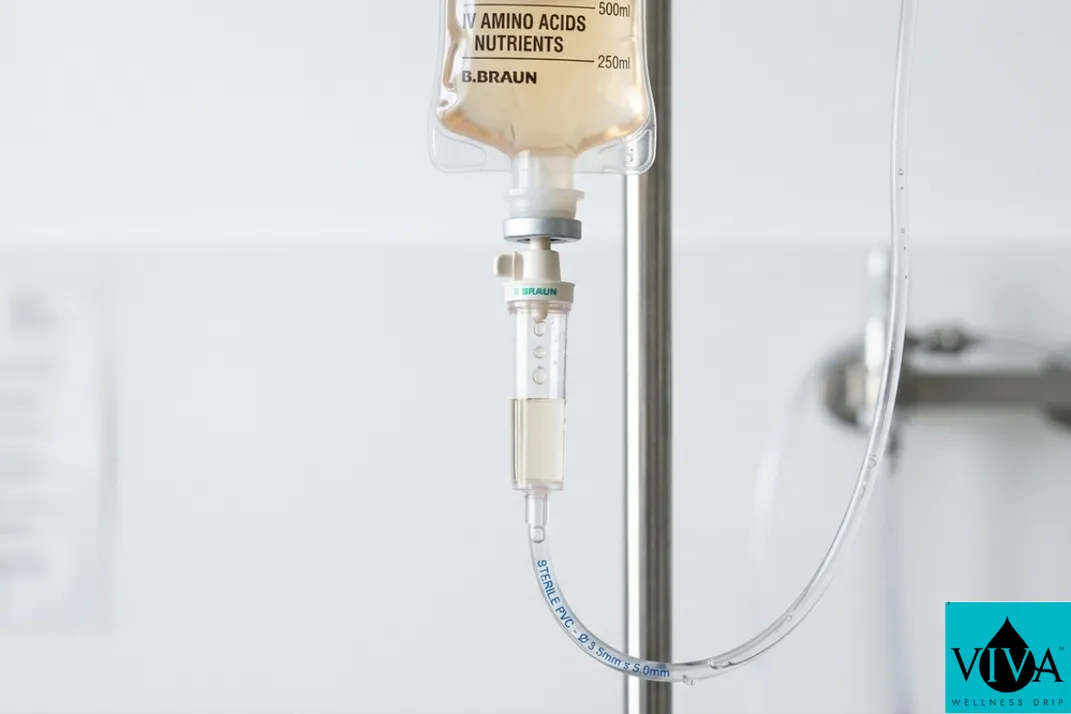
For most of medical history, intravenous therapy was a rescue tool — deployed when the body had already failed to absorb what it needed through normal channels. Severely malnourished patients. Post-surgical recovery. Critical care.
What’s happened in the last decade — and what has accelerated sharply into 2026 — is the recognition that the same delivery mechanism that works in extremis is also the most efficient available for preventative nutritional optimization. You don’t need to be critically deficient to benefit from cellular-level replenishment. You just need to be human in a modern environment.
The average person navigating a demanding professional life, a polluted urban environment, disrupted sleep cycles, and the cumulative metabolic cost of chronic low-grade stress is operating with a micronutrient profile that conventional bloodwork rarely captures and oral supplementation rarely corrects. The science of intravenous nutrition addresses this gap with a precision and speed that no other wellness modality approaches.
Here is what that science actually looks like.
The Core Pharmacology: Why Intravenous Delivery Is Categorically Different
Bioavailability: The Number That Reframes Everything
Bioavailability is the proportion of a substance that enters circulation and reaches the target tissue. For oral supplements, this number is constrained at every stage of the digestive process:
- Gastric acid degrades certain vitamins (B12, folate) before absorption begins
- Intestinal transporter saturation caps how much Vitamin C, magnesium, and zinc the gut wall can process per dose — regardless of how much you consume
- First-pass hepatic metabolism further reduces effective plasma levels for many compounds before they reach systemic circulation
Intravenous delivery bypasses every one of these stages. The compound enters the bloodstream directly. Bioavailability approaches 100%. This is not a marketing claim — it is the pharmacokinetic definition of intravenous administration, consistently upheld in clinical literature.
A landmark study published in Nutrients documented intravenous Vitamin C achieving plasma concentrations 70 times higher than the equivalent oral dose. At those concentrations, Vitamin C shifts from a background micronutrient into a clinically active antioxidant, collagen co-factor, and immune modulator. The same compound. Categorically different outcomes.
Intracellular Absorption and the Speed Advantage
Once nutrients are in circulation, the speed at which they reach target tissues depends on concentration gradients — the difference between plasma levels and intracellular levels. IV delivery creates high plasma concentrations rapidly, which drives intracellular absorption through passive diffusion at a rate that oral supplementation, peaking gradually over 45–90 minutes, simply cannot match.
This is why most clients receiving IV therapy notice effects during or immediately after the session — not 24 hours later.
Pro Tip: The speed of IV benefit is often misread as a placebo effect by skeptics. It isn’t. It’s concentration-gradient pharmacokinetics. High plasma levels of magnesium, for example, cross into muscle cells rapidly when the intracellular deficit is significant — which is exactly why clients with tension headaches or muscle cramping often feel relief within 20 minutes of a magnesium-containing drip. That’s not suggestion. That’s physiology.
The Four Pillars of Intravenous Nutrition Science
Pillar 1: Hydration at the Cellular Level
Isotonic solutions — normal saline (0.9% NaCl) or Lactated Ringer’s — are formulated to match the osmolarity of blood plasma. When delivered intravenously, they restore plasma volume without disrupting cellular water balance.
- The WHO’s oral rehydration therapy guidelines document that even optimally formulated oral rehydration solutions absorb at a fraction of the rate of intravenous delivery in compromised gut environments
- Cellular dehydration — the intracellular water deficit that causes cognitive fog, fatigue, and skin dullness — is corrected directly by IV isotonic delivery in a way that drinking water addresses only gradually and partially
Pillar 2: Antioxidant Defence and the Glutathione System
Glutathione — synthesized from glutathione precursors (cysteine, glycine, glutamine) — is the body’s master antioxidant, responsible for neutralizing reactive oxygen species across virtually every cell type. Alcohol metabolism, environmental pollution, UV exposure, and chronic stress all deplete glutathione faster than the body replenishes it under normal nutritional conditions.
IV-delivered glutathione bypasses the limited oral absorption of its precursors and replenishes cellular reserves directly. This is the mechanism behind the iv drip for glowing skin outcomes that have made glutathione IV therapy one of the most requested protocols globally — and in markets like Manila, where UV exposure and pollution create constant oxidative burden, the clinical rationale is particularly strong.
Pillar 3: Mitochondrial Support and the Energy-Metabolism Link
Energy at the cellular level is produced in the mitochondria through the Krebs cycle and oxidative phosphorylation — processes that require a precise set of co-factors: B vitamins (B1, B2, B3, B5, B6, B12), magnesium, and Coenzyme Q10. When any of these are depleted, the mitochondrial assembly line slows. The result isn’t just fatigue — it’s reduced cognitive function, impaired immune response, and slower physical recovery.
IV delivery ensures these co-factors reach target tissues at therapeutic concentrations — not the trace amounts that survive oral digestion. The Energy Boost IV from Viva Wellness Drip is built specifically around this mitochondrial co-factor profile, making it one of the most clinically grounded formulations available for sustained energy optimization.
Pillar 4: Immune Modulation Through High-Dose Vitamin C
The Linus Pauling Institute at Oregon State University has published extensively on intravenous Vitamin C as an immune modulator. At the plasma concentrations achievable via IV (approaching 20,000 μmol/L versus the oral ceiling of ~200 μmol/L), Vitamin C:
- Stimulates natural killer (NK) cell activity — the immune system’s primary rapid-response mechanism against viral and bacterial threats
- Supports epithelial barrier integrity — the physical first line of immune defence — through its role as a collagen synthesis co-factor
- Reduces pro-inflammatory cytokine levels — a mechanism associated with faster recovery from both acute illness and the low-grade systemic inflammation linked to metabolic decline
IV Drip Therapy Side Effects: The Honest Science
No complete picture of intravenous nutrition science is honest without addressing iv drip therapy side effects directly.
| Side Effect | Mechanism | Clinical Significance |
| Bruising at insertion site | Minor vein trauma from cannula placement | Low — resolves in 2–5 days |
| Niacin flush (B3) | Prostaglandin-mediated vasodilation | Low — harmless, transient (20–30 min) |
| Site cooling sensation | IV fluid temperature vs. body temperature | Negligible — normal physiological response |
| Lightheadedness | Rapid plasma volume restoration in dehydrated clients | Low — positional, self-resolving |
| Fluid overload | Excessive volume in cardiac/renal-compromised patients | Moderate — prevented by pre-session screening |
| Glutathione skin side effects | High-dose tyrosinase inhibition; G6PD sensitivity | Low at standard doses with MD oversight |
| Vitamin C oxalate increase | Urinary oxalate rise at doses >10g | Low — screened via kidney stone history intake |
| Serious adverse event | Almost exclusively provider/screening-related | Very rare with qualified providers |
The pattern in this table is consistent with what I’ve observed in practice: the side effects of IV drip therapy are predictable, mild, and manageable. The variables that introduce meaningful risk are not the nutrients — they are the qualifications of the provider and the rigour of the clinical screening process.
Pro Tip: If you’re exploring IV drip therapy for the first time and have concerns about iv drip for skin side effects from a glutathione protocol, request a lower introductory dose (600mg rather than 1,200mg+) for your first session. This lets your body demonstrate its response to the compound before you commit to therapeutic dosing. A qualified provider will suggest this automatically. One who pushes you straight to maximum dose without discussion is prioritising revenue over your safety.
2026: Where Preventative IV Therapy Is Heading
The healthspan movement has fundamentally reframed what preventative care looks like. It’s no longer about avoiding disease at 70. It’s about maintaining peak metabolic, cognitive, and physical function at 40, 50, and 60 — by investing in the cellular environment that sustains those outcomes.
Three trends are converging in 2026 that place IV therapy at the centre of this movement:
- Longevity protocols: NAD+ IV therapy — delivering the coenzyme central to mitochondrial function and DNA repair directly into circulation — is now a standard component of serious longevity practices. Oral NAD+ precursors achieve modest plasma elevation; IV delivery is categorically more efficient.
- Metabolic health awareness: The recognition that subclinical micronutrient depletion — invisible on standard bloodwork — drives fatigue, cognitive decline, and immune vulnerability has created demand for more precise nutritional interventions than diet alone can provide.
- The damp drinking movement: Mindful, reduced alcohol consumption is mainstream. The clients engaging with this lifestyle aren’t abstaining — they’re recovering smarter. IV therapy that replenishes B vitamins, glutathione, and electrolytes depleted by alcohol fits directly into this framework.
Mobile IV drip therapy accelerates adoption of all three by removing the structural barrier of clinic attendance. The The Ultimate IV from Viva Wellness Drip — a comprehensive formulation covering hydration, antioxidants, B vitamins, and immune support — delivers the full preventative protocol in a single at-home session, making consistent healthspan investment practically achievable rather than aspirationally stated.
Pro Tip: The clients I’ve observed achieving the most consistent results from preventative IV therapy are those who treat it like any other health metric — scheduled, tracked, and adjusted. A monthly session logged alongside sleep quality, HRV, and energy levels over 3–4 months produces a dataset that makes the benefit undeniable. Treat your IV protocol as infrastructure, not a one-off indulgence.
Frequently Asked Questions
Is there real science behind mobile IV drip therapy for preventative health?
Yes. The pharmacokinetic advantage of intravenous delivery — near-100% bioavailability versus 20–50% for oral supplements — is well-documented in peer-reviewed literature. The clinical applications of high-dose Vitamin C, glutathione, and B-complex vitamins via IV are supported by research from institutions including the Linus Pauling Institute and published studies in journals including Nutrients.
What are the most important IV drip therapy side effects to know about?
The most common are mild bruising at the insertion site, brief niacin flush with B-vitamin formulations, and a cooling sensation during infusion. All are transient. Serious side effects are rare and almost entirely tied to unqualified providers or clients with contraindications that weren’t screened for. Proper health clearance eliminates most risk.
How does mobile IV drip therapy support preventative health differently from supplements?
The fundamental difference is bioavailability. Oral supplements face absorption limits at every stage of digestion. IV delivery bypasses these entirely, achieving plasma concentrations that activate clinical mechanisms — immune modulation, collagen synthesis, mitochondrial co-factor support — that are pharmacologically inaccessible through oral routes alone.
Are there iv drip for skin side effects I should know about before a glutathione session?
Glutathione IV at standard wellness doses (600mg–1,200mg) is well-tolerated. Clients with G6PD deficiency should be screened before receiving glutathione or high-dose Vitamin C. High-dose protocols without medical calibration carry rare risks including thyroid sensitivity and elevated kidney oxalate. These are identified and managed through pre-session health clearance.
How often should I receive IV drip therapy for preventative health benefits?
For metabolic health maintenance and healthspan optimization, most practitioners recommend every 2–4 weeks. Clients following longevity protocols (NAD+, high-dose glutathione) often work on monthly or bi-monthly schedules. Frequency should be calibrated by a medical director based on your specific health goals and baseline — not a generic menu recommendation.