Quick Take (TL;DR)
- A modern wellness protocol in 2026 is no longer built around pill bottles and meal plans alone — it’s built around cellular access: getting the right compounds to the right tissues at the right concentrations
- Intravenous micronutrient therapy delivers vitamins, minerals, and antioxidants at near-100% bioavailability, making it the highest-fidelity nutritional input available outside a clinical setting
- Both physical performance (recovery, energy, tissue repair) and cognitive function (focus, stress resilience, neurochemical balance) respond measurably to IV micronutrient optimization
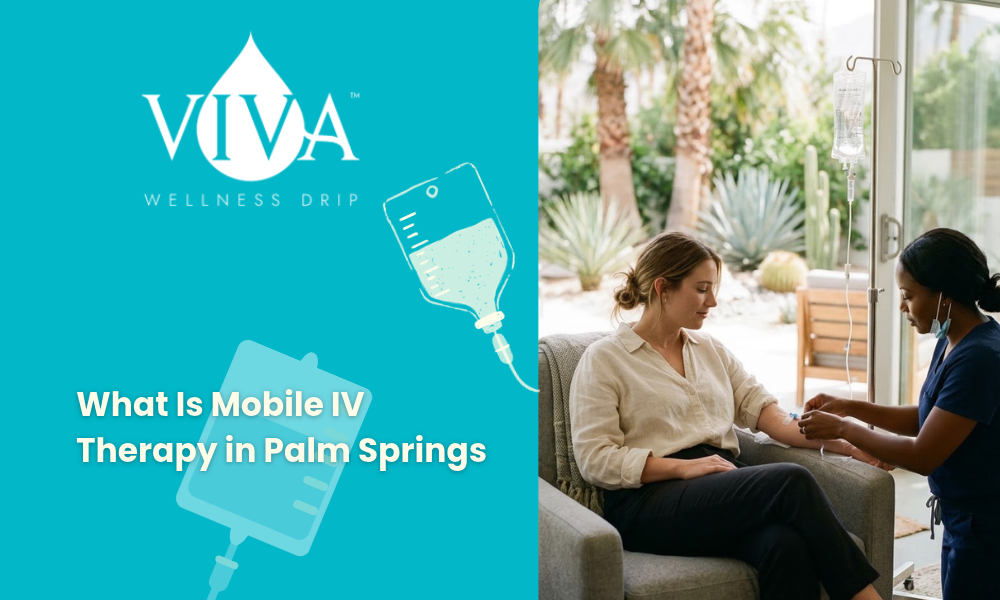
- Mobile IV drip therapy makes this level of protocol accessible without a clinic visit — nurse-administered, medically-directed, at your door
- Viva Wellness Drip delivers pharmaceutical-grade IV therapy built for clients designing serious, outcomes-driven wellness protocols

What Makes a Wellness Protocol “Modern” in 2026?
The word “protocol” matters. A protocol is not a collection of good intentions. It is a structured, repeatable system — defined inputs, measurable outputs, and clear mechanisms connecting the two.
Most wellness routines, if examined honestly, don’t meet this standard. They’re assembles of individually sensible habits — sleep hygiene, exercise, oral supplements, stress management — that operate in parallel without a unifying logic or a clear account of how the inputs are actually reaching the biological targets they’re intended to reach.
The shift that defines modern wellness in 2026 is a move toward mechanistic clarity: understanding not just what you’re consuming, but whether it’s arriving. Whether the magnesium in your capsule is reaching the mitochondria. Whether the B12 in your sublingual tablet is surviving hepatic first-pass. Whether the glutathione precursors in your powder are synthesizing at the rate your liver actually needs.
Intravenous micronutrient therapy brings mechanistic clarity to the nutritional layer of any wellness protocol. Not because it replaces everything else — but because it eliminates the absorption variable that undermines everything else.
I’ve observed this shift accelerate sharply in the client profiles I work with: the serious ones aren’t asking “what should I take?” anymore. They’re asking “what’s actually getting through?” That question has one answer: intravenous delivery.
The Six Micronutrient Systems a Modern IV Protocol Optimizes
System 1: Mitochondrial Energy Production
Every unit of physical and cognitive output depends ultimately on ATP — the energy currency produced in the mitochondria. ATP synthesis requires a precise enzymatic environment:
- B1 (Thiamine): Rate-limiting co-factor for pyruvate dehydrogenase, the enzyme that gates entry of glucose-derived fuel into the Krebs cycle. Sub-clinical thiamine deficiency is endemic in populations consuming refined carbohydrates and alcohol — both of which deplete it actively.
- B2 (Riboflavin) and B3 (Niacin): Essential electron carriers (FAD and NAD+) in the electron transport chain. Without adequate B2 and B3, mitochondrial ATP yield per glucose molecule drops measurably.
- Magnesium: Required co-factor for ATP synthase itself — the enzyme that physically assembles ATP. ATP is only biologically active as a magnesium-ATP complex. A magnesium deficit doesn’t just reduce energy; it chemically prevents energy from being fully functional.
IV delivery ensures all three compounds reach mitochondrial membranes at therapeutic concentrations — not the trace amounts that survive oral digestion in a compromised gut environment.
Pro Tip: The fatigue that clients describe as “hitting a wall” at 2–3PM is frequently a mitochondrial co-factor deficit, not a sleep deficit. If your afternoon energy collapse persists despite adequate sleep, a B-complex and magnesium IV session mid-week will often demonstrate — within 24–48 hours — whether the issue is nutritional or structural. It’s one of the fastest diagnostic signals IV therapy provides.
System 2: Neurochemical Balance and Cognitive Architecture
The brain’s performance under sustained demand depends on the availability of neurotransmitter precursors and the co-factors required to synthesize them.
- B6 (Pyridoxine): Direct co-factor for the synthesis of serotonin (from tryptophan), dopamine (from L-DOPA), and GABA — the neurochemical triad governing mood stability, motivation, and anxiety regulation respectively. B6 depletion under chronic stress is well-documented; the cognitive and emotional consequences are significant.
- B12 (Cobalamin): Essential for myelin synthesis — the insulating sheath around neural axons that determines signal transmission speed and precision. Sub-clinical B12 deficiency is associated with processing slowdown and elevated homocysteine, a pro-inflammatory amino acid linked to cognitive decline.
- Magnesium (dual role): Beyond mitochondrial function, magnesium regulates NMDA receptor activity — the synaptic gateway for memory formation and learning. Adequate magnesium prevents NMDA receptor overactivation, which is associated with anxiety, cognitive hyperactivation, and impaired sleep architecture.
The neurochemical argument for IV delivery is particularly compelling: oral B6 and B12 both face absorption constraints — B12 specifically requires intrinsic factor (produced by gastric parietal cells, declining with age and stress) for ileal absorption. IV bypasses this entirely.
System 3: Antioxidant Defence and Cellular Longevity
Oxidative stress — the accumulation of reactive oxygen species (ROS) generated by metabolism, exercise, pollution, and psychological stress — is now recognized as a primary driver of biological aging and performance decline.
The body’s antioxidant response system has three primary components, all addressable via IV:
- Glutathione: Synthesized from glutathione precursors (cysteine, glycine, glutamine), glutathione is the cell’s master antioxidant — neutralizing ROS across all tissue types, regenerating oxidized Vitamin C and Vitamin E, and driving hepatic Phase II detoxification. Oral glutathione is largely degraded before absorption; IV delivery elevates plasma levels directly.
- Vitamin C: At plasma concentrations achievable only via IV (up to 20,000 μmol/L vs. the oral ceiling of ~200 μmol/L), Vitamin C functions as a potent extracellular antioxidant and collagen synthesis co-factor. Research published in Nutrients (2020) confirmed the 70-fold plasma concentration advantage of IV over equivalent oral doses.
- Zinc: A structural component of superoxide dismutase (SOD), one of the body’s endogenous antioxidant enzymes. Zinc deficiency impairs both immune function and ROS clearance simultaneously.
Pro Tip: For clients whose protocols include regular high-intensity exercise, schedule your IV glutathione and Vitamin C session within 12 hours of your hardest training day — not before it. Post-exercise ROS generation peaks in the recovery window, and that is when your antioxidant reserves are most actively depleted. Replenishing in the window of peak demand produces faster recovery outcomes than pre-loading.
System 4: Immune Calibration and Inflammatory Regulation
A well-functioning immune system in 2026 is not one that is “boosted” — it’s one that is calibrated: responsive to genuine threats, appropriately regulated against chronic low-grade inflammation, and resilient under the immunosuppressive conditions that demanding professional and physical schedules create.
IV micronutrients support immune calibration through several mechanisms:
- High-dose Vitamin C stimulates natural killer (NK) cell production and activity — the immune system’s rapid-response antiviral mechanism — at concentrations documented by the Linus Pauling Institute as pharmacologically active
- Zinc modulates pro-inflammatory cytokine production (particularly IL-6 and TNF-α), reducing the chronic inflammatory burden associated with metabolic syndrome and accelerated aging
- B6 deficiency directly impairs lymphocyte production, reducing adaptive immune response capacity
For clients navigating the damp drinking lifestyle — where occasional alcohol consumption transiently suppresses immune function while depleting B vitamins and zinc — a targeted immune IV session within 24 hours of drinking restores the micronutrient environment that alcohol removes.
System 5: Physical Recovery and Tissue Architecture
Recovery is a construction project. Every session of exercise, every period of sustained physical demand, generates tissue micro-damage that must be repaired — and that repair requires specific inputs.
- Vitamin C is a non-negotiable co-factor for collagen hydroxylation — the process that gives connective tissue (tendons, ligaments, skin, vascular walls) its structural integrity. Physical stress without adequate Vitamin C produces connective tissue repair that is slower, weaker, and more injury-prone.
- Magnesium governs muscle relaxation via calcium channel regulation. Post-exercise magnesium depletion (through sweat and elevated urinary excretion) is a primary driver of cramping, soreness duration, and sleep disruption after hard training.
- Isotonic IV solutions restore plasma volume and re-establish the intracellular absorption gradients that move both water and nutrients into muscle cells — the cellular environment in which protein synthesis and glycogen resynthesis actually occur.
System 6: Skin Health as a Biomarker of Systemic Function
Skin is not a separate system — it’s a biomarker. The appearance of skin reflects the status of cellular hydration, oxidative load, collagen turnover, and inflammatory burden in the body as a whole.
- Persistent dullness and uneven tone signal oxidative stress and melanin dysregulation — both addressable via glutathione and Vitamin C IV protocols
- Fine lines and reduced elasticity reflect inadequate collagen turnover — directly tied to Vitamin C availability as a hydroxylation co-factor
- Puffiness and dehydrated texture indicate cellular water deficit — correctable by IV isotonic solutions that restore osmotic gradients and drive intracellular fluid balance
The iv drip for glowing skin outcomes clients observe are not cosmetic in the superficial sense. They are the surface expression of a system that is working — cellular hydration restored, antioxidant defences replenished, collagen synthesis adequately supplied.
Building Your Modern IV Protocol: A Framework by Goal
| Wellness Goal | Recommended IV Focus | Key Compounds | Suggested Frequency |
| Cognitive performance | B-complex + magnesium | B1, B6, B12, Mg | Every 2–3 weeks |
| Physical recovery | Vitamin C + magnesium + electrolytes | Vit C, Mg, isotonic saline | Post-event or weekly |
| Immune resilience | High-dose Vitamin C + zinc | Vit C, zinc, B6 | Monthly or pre-travel |
| Skin health / antioxidant | Glutathione + Vitamin C | Glutathione, Vit C | Monthly protocol |
| Longevity / healthspan | NAD+ + antioxidant stack | NAD+, glutathione, Vit C | Monthly |
| Stress and anxiety | Magnesium + B-complex | Mg, B6, B12, GABA support | Every 2–4 weeks |
| Full-body optimization | Comprehensive stack | All of the above | Monthly as base |
For clients building their first structured IV protocol, the Beauty IV provides a foundational antioxidant and skin health platform — combining glutathione, Vitamin C, and biotin — that addresses multiple systems simultaneously and demonstrates measurable outcomes within 4–6 sessions. For those prioritizing cellular longevity, the NAD+ Boost IV addresses the mitochondrial co-enzyme that underpins ATP synthesis, DNA repair, and sirtuin activation — the most upstream intervention currently available in IV-delivered longevity medicine.
Understanding IV Drip Therapy Side Effects in Protocol Context
Any honest wellness protocol acknowledges its risk profile. Here is the complete picture of iv drip therapy side effects within a structured protocol:
- Bruising at the insertion site: Minor, technique-dependent, resolves in 2–5 days. Experienced RN administration minimizes frequency.
- Niacin flush (B3): Harmless vasodilatory response — temporary warmth and redness lasting 20–30 minutes. Expected and pre-advisable.
- Lightheadedness: Occasional in significantly dehydrated clients during rapid plasma volume restoration. Supine positioning during the session prevents it.
- IV drip for skin side effects (glutathione): At standard protocol doses (600–1,200mg), well-tolerated. G6PD deficiency is the primary contraindication — identified during pre-session health clearance.
- High-dose Vitamin C and oxalate: Urinary oxalate increase at doses above 10g — relevant only for clients with a kidney stone history, screened during intake.
- Serious adverse events: Very rare. Concentrated almost entirely in the provider qualification variable.
The side effects of IV drip therapy, properly administered, are not a reason to avoid a structured protocol. They are a reason to choose a provider whose clinical infrastructure eliminates the variables that produce them.
Pro Tip: When building a multi-month IV protocol, track your side effect experience alongside your outcome markers from session one. A minor niacin flush that appears in session one and disappears by session three is common — your body adjusts to the B3 vasodilation over repeated exposures. Knowing this pattern helps you interpret your sessions accurately rather than misidentifying a normal physiological response as a reason to change your formulation.
Frequently Asked Questions
What is a modern IV wellness protocol and who is it for?
A modern IV wellness protocol is a structured schedule of intravenous micronutrient sessions — calibrated by a medical director to your health goals, baseline, and lifestyle — designed to optimize physical performance, cognitive function, immune resilience, or cellular longevity. It’s for anyone who has tried oral supplementation, tracked their outcomes honestly, and found the results consistently below what the effort should produce.
What are the most important iv drip therapy side effects to know before starting a protocol?
The most common are minor insertion site bruising, transient niacin flush with B-vitamin formulations, and occasional lightheadedness in dehydrated clients. All are self-resolving and low-severity. Serious side effects are rare and almost entirely tied to unqualified providers or unscreened contraindications — both eliminated by working with a medically-directed mobile service.
How does mobile IV drip therapy fit into a structured wellness protocol?
Mobile delivery allows protocol consistency that clinic-based therapy rarely achieves. A nurse comes to your home or office on a schedule that fits your calendar — removing the friction that causes most protocols to lapse. For busy professionals, mobile delivery is the variable that converts a wellness intention into a sustained, measurable health investment.
Are there iv drip for skin side effects I should understand before adding glutathione to my protocol?
Glutathione IV at standard wellness doses is well-tolerated. G6PD deficiency is the primary contraindication — identified during health clearance. For skin protocol outcomes, consistency matters more than any single session: the melanin-modulating and collagen-supporting effects of glutathione and Vitamin C are cumulative over 4–6 sessions, not immediate.
How long before I see measurable results from an IV micronutrient protocol?
Energy and cognitive effects are often noticeable within 24–48 hours of a first session — particularly for clients who are meaningfully depleted in B vitamins or magnesium. Skin and body composition outcomes are cumulative over 4–8 weeks of consistent protocol. Longevity and metabolic markers require 3–6 months of consistent investment to show measurable change in tracked biomarkers.