Walk into any pharmacy on Whyte Avenue or Jasper Avenue and you will find shelves of vitamins, minerals and wellness supplements. So why would anyone in Edmonton book an IV drip instead of simply taking a tablet? The honest answer is that both approaches have a place. Understanding how they differ in absorption, speed, convenience and cost helps you decide which one, or which combination, makes sense for your routine.
How Absorption Differs
When you swallow a vitamin, it passes through the stomach and small intestine before reaching the bloodstream. Along the way, a portion is broken down by digestive enzymes, affected by stomach acid, or simply not absorbed. How much gets through depends on the nutrient, the dose, what else you ate, and your individual digestive health.
Vitamin B12 is a well-known example. The NIH Office of Dietary Supplements explains that the body absorbs B12 from food and supplements with the help of a protein called intrinsic factor, and that people with certain digestive conditions or older adults may absorb less. Vitamin C behaves differently: the same NIH resource on vitamin C notes that absorption from oral doses decreases as the dose increases, which is why very high oral amounts are largely excreted.
IV therapy bypasses the digestive tract entirely. Nutrients enter the bloodstream directly, which is why IV providers describe absorption as close to complete. This is the single biggest technical difference between the two approaches.
Speed of Effect
Oral supplements work gradually. Taken consistently over weeks and months, they help maintain nutrient levels, and that steady, long-term support is exactly what they are designed for.
An IV infusion delivers fluids and nutrients over 30 to 45 minutes. Many clients report noticing the effects, particularly from the hydration component, within 24 hours. That makes IV therapy the more practical option when someone wants support quickly, for example after a stomach bug, a long-haul flight into Edmonton International, or a demanding week of shift work.
Convenience in a Busy Edmonton Schedule
Oral supplements win on day-to-day convenience. They are inexpensive, portable and take seconds to swallow. The challenge is consistency; many people buy a bottle with good intentions and forget about it within a fortnight.
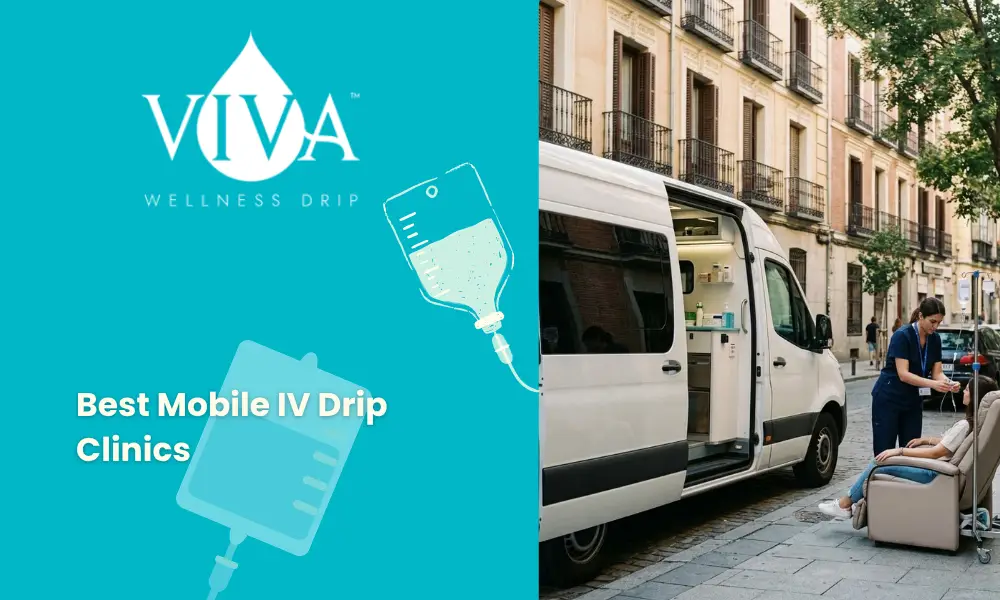
Mobile IV therapy takes a different approach to convenience. Rather than remembering something every day, you book an appointment and a registered nurse comes to your home or office anywhere in Edmonton. There is no commute, no waiting room and no parking on a snowy street. You can browse the full menu of IV drips and vitamin shots and book online in a few minutes.
Cost Comparison
A month of quality oral supplements might cost anywhere from a few dollars to well over a hundred, depending on what you take. An IV drip in Edmonton typically ranges from around 155 to 305 dollars per session depending on the formulation, with vitamin shots available as a lower-cost option.
The fairer comparison is value per outcome rather than price per unit. If you are maintaining general wellness and your digestion is healthy, oral supplements are the economical choice. If you need rapid hydration, are recovering from illness, struggle with absorption, or want a customized blend administered by a nurse, an IV session may deliver more for your money.
Hydration Is the Deciding Factor for Many
One thing oral supplements cannot do is rehydrate you quickly. Every IV drip starts with a base of sterile saline, which is why the Pure Hydration Infusion is available on its own. In Edmonton’s dry climate, with relative humidity often dropping sharply in winter, rehydration is frequently the main reason clients book, and the vitamins are a bonus.
Safety Considerations
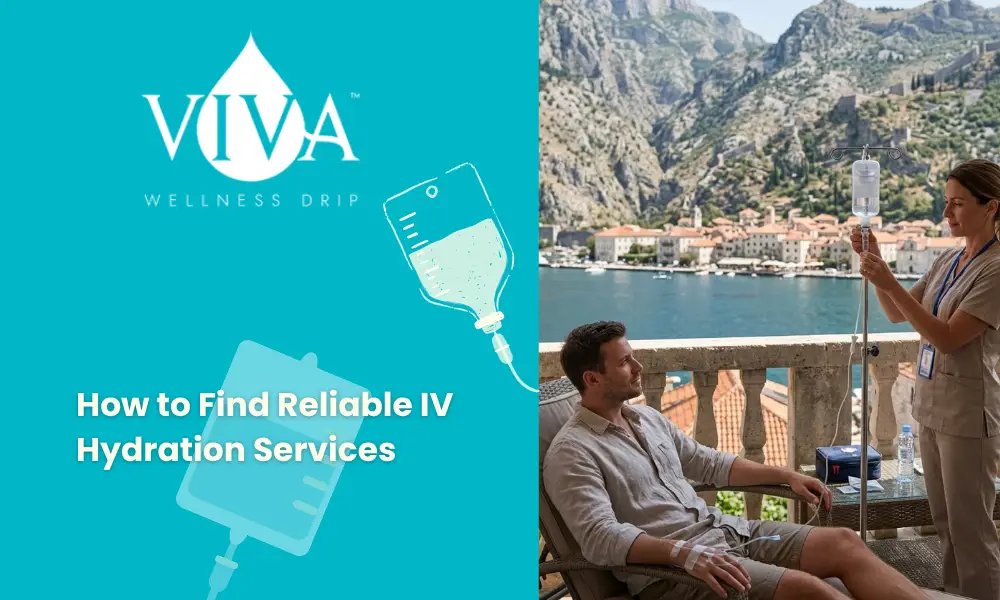
Oral supplements are widely available without a consultation, which is convenient but also means people sometimes take doses or combinations that are not ideal. IV therapy, by contrast, always involves screening. At Viva Wellness Drip Edmonton, first-time clients complete a naturopath consultation, every infusion is administered by a registered nurse, and the practice is overseen by a Medical Director.
Neither approach is a substitute for medical treatment. If you suspect a deficiency, a blood test through your physician is the right starting point.
Using Both Together
Most wellness-focused Edmontonians do not choose one or the other. A common pattern is to maintain daily oral supplements for steady support and to book an IV drip periodically, such as at the start of cold and flu season, after travel, before a big event, or during a stretch of heavy training. Vitamin shots such as B12 and Vitamin D sit somewhere in the middle: quicker than oral tablets, faster to administer than a drip, and easy to combine with a regular routine.
Making Your Decision
Ask yourself three questions. How quickly do you want support? Is digestion or absorption a concern for you? And how much do convenience and professional oversight matter? Your answers will point you toward oral supplements, IV therapy or a blend of both. For entrepreneurs who see the growing demand for mobile wellness in their own city, Viva Wellness Drip also offers franchise opportunities.
Frequently Asked Questions
Are IV vitamins stronger than oral vitamins?
Not necessarily stronger, but they are delivered directly into the bloodstream, so absorption is not reduced by digestion. Oral supplements remain effective for long-term daily maintenance.
Can I keep taking my supplements if I book an IV drip?
In most cases yes, but mention everything you take during the naturopath consultation so the infusion can be tailored appropriately.
How often should I get an IV drip in Edmonton?
It depends on your goals. Some clients book monthly, others only around travel, events or illness. The naturopath can suggest a sensible cadence.
Do vitamin shots absorb as well as IV drips?
Intramuscular shots also bypass digestion and absorb well, though more gradually than an IV. They are a good option when you want a quick appointment without a full infusion.
Will an IV drip fix a vitamin deficiency?
IV therapy is a wellness service, not a medical treatment. If you suspect a deficiency, ask your physician for blood work first and share the results at your consultation.