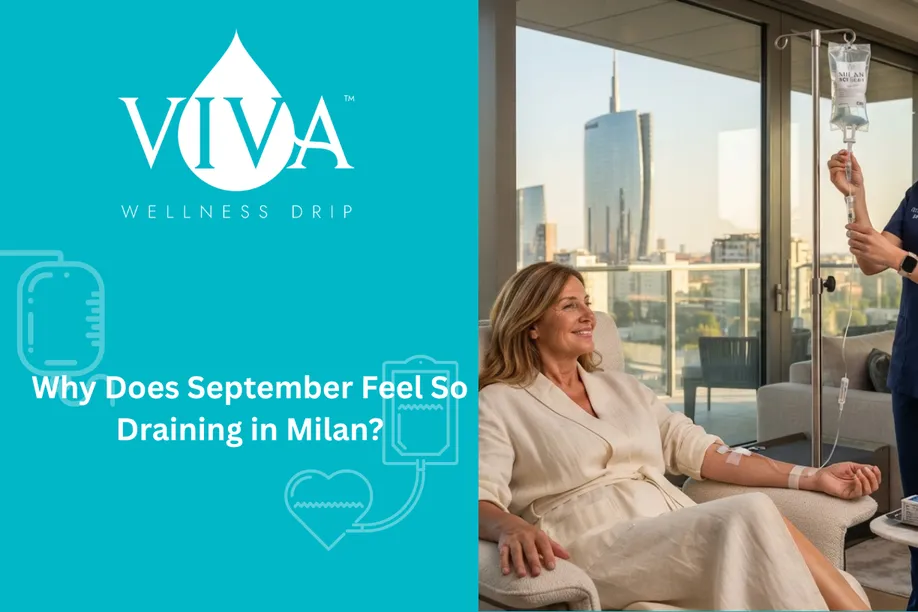
The Edinburgh Festival Fringe wraps up on August 31, and for the city’s residents, hospitality workers, and performers who stayed through the full run, September brings a very real comedown after 25 days of the world’s largest arts festival. The crowds disappear almost overnight, but the physical toll of the festival doesn’t resolve nearly as quickly.
Why Does Post-Fringe Fatigue Hit So Hard?
Edinburgh’s hospitality industry runs at an intense, sustained pace throughout August, with staff working long shifts across a month of packed bars, restaurants, and venues without much of a break. Performers who stayed for the full run face a similar pattern — weeks of nightly shows, minimal sleep, and constant socializing that doesn’t simply reset once the final curtain falls on August 31.
Is This Different From Normal Post-Event Tiredness?
Yes — the scale of the Fringe means the fatigue has been building for nearly a month rather than a single weekend, and Edinburgh’s hospitality and creative communities experience this collectively every year. It’s less a single rough week and more a citywide adjustment period as the pace of life suddenly drops from festival intensity to a normal September.

The Scale of What Just Happened
To understand why the post-Fringe comedown hits so hard, it helps to consider the sheer scale of what Edinburgh just absorbed. In 2025, the festival ran for 25 days, sold more than 2.6 million tickets, and featured nearly 54,000 performances across almost 3,900 shows in 301 venues, with participants from 68 countries. Every one of those performances required staff to run the venue, bar workers to serve the crowds before and after, and countless behind-the-scenes crew keeping the entire operation running smoothly night after night for nearly a month straight.
That scale means the post-Fringe recovery isn’t just an individual experience — it’s a genuinely citywide phenomenon that Edinburgh’s hospitality sector has come to recognize as a predictable annual pattern. Bar managers and venue owners often report a noticeable dip in staff availability and energy through the first two weeks of September, as the same people who kept the city running through August’s festival intensity finally have space to acknowledge how depleted the month left them.
Performers Face a Different Kind of Comedown
For performers who ran a show every night for the festival’s full 25-day run, September brings a specific psychological adjustment on top of the physical one. The sudden absence of a nightly performance, after weeks of adrenaline-driven routine, can leave performers feeling strangely unmoored even as their bodies finally get the chance to rest. This combination of physical depletion and the loss of a structured nightly routine is a pattern well recognized within Edinburgh’s performing arts community, and it’s part of why many performers who stay in the city after the festival ends actively seek out ways to support both their physical recovery and their return to a normal daily rhythm during the first weeks of September. Recognizing that this dip is collective, not personal, tends to make the transition easier for everyone navigating it at the same time, and Edinburgh’s own hospitality and arts communities have grown increasingly open about naming that shared experience each September rather than treating it as an individual failing to push through quietly.
What Does a Post-Fringe Recovery Session Include?
The most requested formulation for this recovery period pairs isotonic saline with magnesium and a full B-complex vitamin blend, addressing both the physical fatigue of a month of long shifts and the nervous system regulation needed to reset a sleep schedule disrupted by weeks of late nights. You can review the complete IV drip menu to find a formulation matched to how depleted the festival left you.
Where Can I Book a Session in Edinburgh?
The team at Viva Wellness Drip sends a registered nurse directly to homes and residences throughout Edinburgh, including the Old Town and New Town neighborhoods most affected by the festival’s intensity. For hospitality venues looking to support their teams after a demanding August, group bookings can be arranged directly at the workplace. According to the official Edinburgh Festival Fringe event information, the 2026 festival runs August 7 to 31 — nearly a month that leaves a real mark on the people who work through the entire run. The Mayo Clinic’s overview of dehydration and MedlinePlus’s guidance on dehydration both note that fatigue and disrupted sleep are common signs worth taking seriously after a month of sustained late nights.
Frequently Asked Questions
Why does September feel so different in Edinburgh after the Fringe?
The sudden drop from a month of festival intensity to normal city life creates a genuine collective adjustment period for residents, hospitality workers, and performers who stayed through the full run.
Is IV therapy helpful for resetting sleep after weeks of late nights?
Yes. Magnesium and B-complex vitamins support nervous system regulation, which can help the body settle back into a normal sleep pattern more effectively than rest alone.
Can Viva Wellness Drip come to hospitality venues supporting their staff after Fringe?
Yes. The team accommodates group bookings for venues and teams looking to support staff recovery after a demanding festival month.
When does the Edinburgh Festival Fringe run in 2026?
The 2026 Edinburgh Festival Fringe runs from August 7 to 31, meaning September marks the city’s return to its normal rhythm.
What’s the best time to book a post-Fringe recovery session?
Many residents and performers schedule sessions in the first week or two of September, once the festival has genuinely wrapped up and there’s a clearer sense of how depleted the month left them.