Many people feel lost when trying to understand what makes Miami’s culture stand out. Cuban culture shapes Miami’s art scene, architecture, and even its coffee shops. This blog will help you see how the city’s Cuban heart fuels a global culture boom through vibrant art, iconic buildings, and cafecito traditions.
Key Takeaways
- Cuban artists fill Miami’s streets and galleries with vibrant murals, especially in Little Havana. Their work often honors legends like Celia Cruz and tells stories of families who came from Cuba over sixty years ago.
- Events like Art Basel Miami Beach help local Cuban-American artists gain worldwide attention. Strong community support allows these artists to shape Miami’s global art reputation.
- Iconic buildings such as the Freedom Tower highlight Miami’s historic ties to Cuba. Modern architecture blends colorful tiles and open designs inspired by Cuban styles, seen in both homes and public spaces across the city.
- Cafecito, a strong espresso-style coffee, is central to daily life in Miami. Popular spots like Café Versailles and La Carreta serve as social hubs where locals gather for coffee, art, music, and conversation.
- The combined influence of Cuban art, architecture, and culinary traditions has made Miami a unique cultural hub recognized around the world today.
The Cuban Influence on Miami’s Art Scene
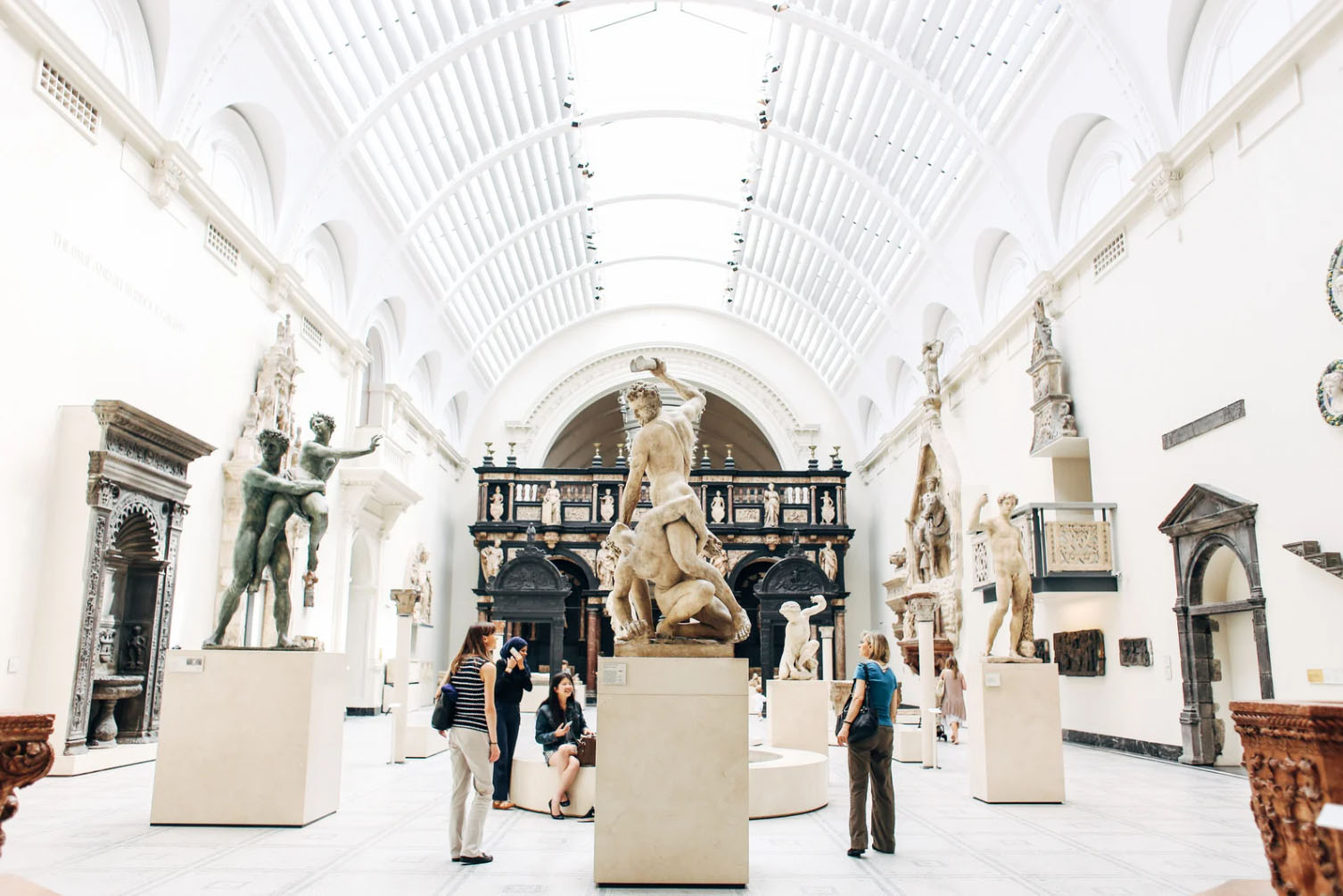
Cuban artists fill Miami with bold colors and energy. Their work shapes galleries and brings fresh ideas to the city’s art scene.
Vibrant murals and galleries in Little Havana
Colorful murals cover building walls along Calle Ocho in Little Havana, making every street feel like an outdoor art gallery. Local and international artists use bright colors and bold designs to tell stories of Miami’s Cuban history, music, and resilience.
Some pieces honor legendary figures such as Celia Cruz or pay tribute to the families who arrived from Cuba over sixty years ago. This Latin influence has turned public spaces into open-air museums rich with culture.
Galleries line the streets near Domino Park where visitors find new works by rising Cuban-American artists. Many feature mixed media art inspired by Havana, old photos, and scenes from Miami’s past.
The Wynwood Walls project helped fuel this trend across the city but Little Havana remains the heart of it all. Small cafés nearby serve strong cafecito so people can sip coffee while admiring art that reflects both tradition and innovation in Miami architecture and cultural diversity.
The rise of Cuban artists in Miami’s global art market
Vibrant murals and galleries in Little Havana set the stage for a flourishing art scene. This lively neighborhood showcases many talented Cuban artists who gain recognition both locally and internationally.
Their work reflects the rich culture of Cuba, merging traditional techniques with contemporary themes. These artists bring color to Miami’s streets and contribute significantly to its global reputation.
Cuban artists thrive in Miami’s competitive market due to strong community support. They often collaborate with local galleries and participate in major art events like Art Basel Miami Beach.
Many have transitioned from local talents to global sensations, attracting collectors worldwide. The influence of Cuban culture is evident throughout the city’s artistic landscape, helping shape Miami’s identity as a vibrant hub for creativity and innovation.
Art is our way of connecting past traditions with modern expressions.
Architectural Marvels with Cuban Roots
Miami showcases stunning architecture inspired by Cuban culture. These designs blend history with modern trends, creating unique landmarks throughout the city.
Historic landmarks inspired by Cuban design
Cuban design has significantly shaped Miami’s iconic landmarks. Buildings reflect vibrant colors and intricate details, showcasing the strong influence of Cuban culture. Historic sites like the Freedom Tower stand tall as a testament to this connection.
It served as a welcome center for Cuban refugees in the 1960s and embodies Miami’s rich history.
Another example is La Casa de las Fincas, which captures traditional Cuban architectural styles. These structures blend Spanish colonial designs with modern elements, creating a unique aesthetic that tells Miami’s story.
Each landmark offers visitors a glimpse into the city’s roots while celebrating its vibrant art scene and cultural identity.
Modern architecture blending Cuban and global styles
The influence of historic landmarks inspired by Cuban design leads to a vibrant mix in modern architecture. Miami showcases striking buildings that blend traditional Cuban elements with contemporary styles.
This fusion creates spaces that reflect the city’s unique identity. Innovative engineering complements artistic expression, forming a distinct example of MiMo, or Miami mid-century modernism.
Today, architects incorporate features like colorful tiles and airy layouts into their designs. These structures often serve as homes for galleries, restaurants, and shops. Each building tells a story rooted in Cuban culture while appealing to global trends.
Miami’s architectural landscape continues evolving, creating dynamic environments full of creativity and community spirit.
Cafecito Culture: A Social and Culinary Tradition
Cafecito fills Miami’s streets with energy and connection. Locals gather at lively spots, sipping the rich coffee that shapes their daily life.
The role of Cuban coffee in Miami’s daily life
Cuban coffee plays a vital role in Miami’s daily life. Strong cafecito fuels the morning routines of many residents. This rich coffee, served espresso-style, brings people together and sparks conversation.
Cafés often serve as social hubs where art and culture thrive.
In Little Havana, iconic spots overflow with the aroma of Cuban coffee. Locals sip their cafecito while enjoying live music or browsing vibrant art galleries. Generations of Cuban-Americans have contributed to this lively scene by opening restaurants and food trucks focused on authentic flavors.
The influence of Cuban culture is evident not just in Miami’s streets but also within its unique culinary landscape, blending tradition with innovation through every cup served.
Iconic spots to enjoy authentic cafecito
Miami boasts many iconic spots for authentic cafecito. Each location offers a unique experience that reflects the city’s Cuban heart.
- Café Versailles stands as a symbol of Miami’s Cuban culture. This bustling eatery serves rich, strong coffee along with delicious pastries. Locals gather here to enjoy traditional bites while sipping their favorite brews.
- La Carreta offers a vibrant atmosphere with its rustic decor and lively energy. Patrons flock to this spot for flavorful cafecito served alongside classic Cuban dishes. The smell of freshly brewed coffee fills the air, drawing in visitors from all walks of life.
- El Exquisito delights customers with its cozy setting and friendly staff. Known for its amazing coffee, this café is a hidden gem in Little Havana. People come here not just for the cafecito but also for the sense of community it fosters.
- Casa Tua provides an elegant twist on Miami’s coffee scene. This upscale venue combines Italian influences with Cuban flavors, creating a unique blend of experiences. Guests savor their cafecito while enjoying art and live music events.
- Caffeina offers an artsy vibe that attracts both locals and tourists alike. Situated in Wynwood, this café serves up strong cuban coffee and creative cocktails. The space transforms into a hub where art meets culinary delights.
- Ventanita draws crowds from across Miami for quick bites and delicious drinks. Serving cafecito through its window, this spot embraces the lively energy of Little Havana’s streets. Visitors can enjoy their drink while people-watching in the bustling neighborhood.
Authentic cafecito plays a huge role in Miami’s daily life and social interactions, linking back to its vibrant culture and history nicely woven into architecture around town.
Conclusion
Cuban culture pulses through Miami’s streets. Its art and architecture tell stories of heritage and innovation. Cafecito serves as a daily ritual, bringing people together in vibrant cafés.
This lively blend fuels the city’s global culture boom. Each corner reveals how Cuban roots shape Miami’s identity and creativity.
FAQs
1. What role do Miami landmarks play in the city’s culture boom?
Miami landmarks, like Little Havana and the Freedom Tower, anchor the city’s global reputation. These sites connect Miami history with today’s vibrant art and architecture scenes.
2. How does Cuban heritage shape Miami history?
Cuban immigrants transformed neighborhoods with their traditions and businesses. Their influence shapes everything from local music to cafecito spots that define daily life.
3. Why is architecture important in understanding Miami history?
Architecture tells stories of change across decades. From Art Deco hotels on Ocean Drive to modern towers, buildings reflect shifts in style tied closely to key moments in Miami history.
4. How do art and cafecito link back to famous Miami landmarks?
Artists often gather at iconic cafes near major sights like Calle Ocho or Bayside Marketplace. Cafecito rituals blend with visual arts, making these places central points for both creative exchange and cultural memory rooted in Miami history.