Most people book their first IV drip session with a mix of genuine curiosity and mild uncertainty. They know the outcome they’re after — more energy, faster recovery, better immune function — but the process itself is unfamiliar. What does it actually feel like? How long does it take? What should you do beforehand, and what happens after? These are reasonable questions, and having clear answers to them makes the difference between a first session that feels confident and one that feels tentative.
The short version: a mobile IV drip Edmonton session is straightforward, low-discomfort, and designed to fit into your life rather than disrupt it. Here’s the longer version.
Before Your Session: What to Do and What to Know
The Intake Process
Before your first session, a brief intake process covers your health history, current medications, and wellness goals. This isn’t bureaucratic — it’s clinical due diligence that ensures the formulation selected is appropriate for your specific situation and that there are no contraindications to address before beginning. The intake is typically completed online or by phone before the appointment, so no time is spent on paperwork when the professional arrives.
For most healthy adults, the intake is straightforward. Those managing chronic conditions, taking anticoagulants or other medications with potential nutrient interactions, or recovering from recent illness should be transparent during this stage. The goal is a session tailored to your body, not a generic protocol.
Pre-Session Preparation
The preparation required on your end is minimal, but it meaningfully affects how the session feels and how effectively the infusion is absorbed. Arriving at your own session — which, given the mobile format, simply means being home — with a reasonable level of baseline hydration makes IV placement easier and reduces the likelihood of lightheadedness during infusion.
Eat a light meal in the two to three hours before your session. An empty stomach isn’t dangerous, but some formulations — particularly those including higher-dose B vitamins or vitamin C — are better tolerated with food in the system. Avoid heavy alcohol consumption the evening before, which compounds dehydration and can make the placement process more uncomfortable.
Wear clothing with accessible arms. A short sleeve or a top that rolls up easily at the forearm is all that’s needed. Comfort is the only other variable — have a chair, couch, or bed ready where you’d like to sit for the duration.
During Your Session: The Step-by-Step Experience
Arrival and Setup
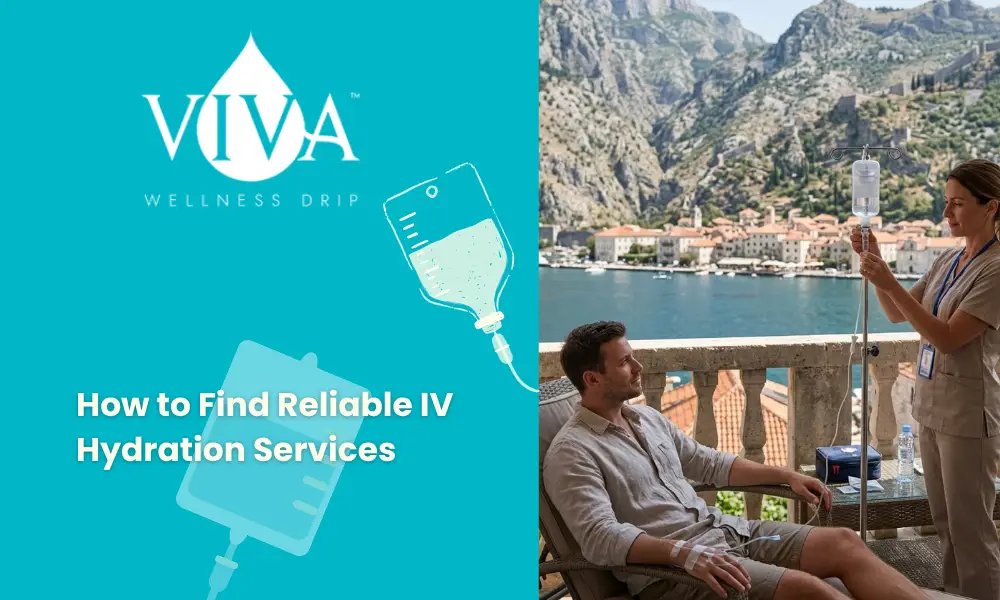
The medically-directed professional arrives at your Edmonton address with all necessary clinical equipment — IV supplies, the prepared infusion formulation, safety protocols. Setup takes roughly five to ten minutes. During this time, the professional will confirm your intake details, explain the formulation you’re receiving, and answer any questions before beginning.
This is the right moment to mention anything that’s changed since your intake — recent illness, new medications, or simply how you’re feeling that day. A good practitioner adjusts accordingly.
IV Placement
For first-time clients, the placement is often the part that generates the most anticipation. The reality is a brief, sharp sensation — similar to a standard blood draw — as the cannula is inserted, typically into a vein on the forearm or the back of the hand. Once placed correctly, there’s no ongoing pain. You’ll feel the slight coolness of the infusion fluid entering the arm, which most people find neutral to mildly pleasant.
If you have a history of difficult venous access — small veins, previous placement difficulties — mention this during intake. Experienced practitioners work with this regularly and have techniques that improve first-attempt success rates.
The Infusion Period
The session runs 45 to 60 minutes depending on the formulation and drip rate. This is your time. Most clients read, work on a laptop, watch something, or simply rest. There’s no requirement to remain still beyond keeping the IV arm reasonably comfortable — minor movement is fine, and the line is positioned to allow for it.
What you may notice during infusion varies by formulation. B-complex infusions often produce a mild warmth and, in some clients, a brief metallic taste that passes within minutes — both are normal physiological responses to rapid B-vitamin delivery. Magnesium formulations can produce a pleasant warmth and mild relaxation. High-dose vitamin C infusions are generally neutral in sensation. If anything feels genuinely uncomfortable — unexpected pain at the insertion site, chest tightness, or unusual dizziness — notify the practitioner immediately.
We find that the 45-to-60-minute window is one of the more underrated aspects of the at-home format. In a clinical environment, there’s ambient pressure to finish and vacate. At home in Edmonton, it’s simply an hour of enforced rest in a comfortable chair — which, for most of our clients, is more restorative than they expected before it began.
After Your Session: What to Expect in the Hours That Follow
Immediate Post-Infusion
When the infusion completes, the cannula is removed and a brief pressure dressing applied. The professional packs up and departs, leaving you in place. This is intentional — the post-infusion window is not the time to jump up and start moving. Give yourself 15 to 20 minutes of continued rest before resuming normal activity.
Some clients feel an immediate lift in energy and mental clarity within the first hour. Others notice the shift more gradually over the following 12 to 24 hours as the nutrients reach target tissues and cellular processes begin responding. Neither pattern is better or worse — individual response timelines reflect starting micronutrient status, metabolic rate, and the specific formulation received.
Hydration and the Post-Session Day
Continue drinking water through the remainder of the day. The infusion itself provides significant hydration, but supporting that with oral fluid intake helps the kidneys process any compounds cleared through urine and maintains the electrolyte balance the session has restored. Light activity is fine; intense training in the same session is not recommended.
Research indexed through PubMed supports the role of post-infusion rest and hydration in maximising the recovery outcomes of intravenous magnesium and electrolyte delivery — the compounds most directly implicated in the muscle recovery and sleep quality improvements that many first-session clients report.
What the First Session Tells You
The first session functions as both treatment and calibration. How your body responds — the speed of the energy shift, the quality of sleep that night, how you feel 48 hours later — provides meaningful information about your baseline micronutrient status and which formulation elements are producing the most noticeable effect.
The National Institutes of Health has documented the relationship between magnesium status and sleep architecture, cognitive function, and physical recovery — and first-session responses to magnesium-containing formulations are often the most telling indicator of how significant a role deficiency has been playing.
Building on the First Session
A single IV drip session produces real, measurable results. But the clients who experience the most sustained benefit from IV therapy in Edmonton are those who treat the first session as the beginning of a cadence rather than a standalone event. Bi-weekly or monthly sessions maintain the micronutrient baseline that the first session restores — preventing the accumulation of deficits that Edmonton’s climate, workload, and lifestyle reliably produce.
The healthspan model frames consistent wellness inputs as infrastructure rather than intervention — something the World Health Organization has consistently linked to improved functional health outcomes across adulthood. A regular mobile IV therapy schedule, built into your Edmonton routine rather than booked in response to a problem, is that kind of input.
The team at Viva Wellness Drip works with first-time clients through the full process — intake, formulation selection, session delivery, and follow-up guidance. Explore the full range of IV drip services and book the session that starts the conversation between your body and its baseline.
Frequently Asked Questions
Does getting an IV drip for the first time hurt?
The placement involves a brief, sharp sensation similar to a standard blood draw, which passes within seconds once the cannula is correctly positioned. During the infusion itself, most clients feel only the mild coolness of the fluid — there’s no ongoing discomfort when the line is correctly placed.
How long does a mobile IV drip session take from start to finish in Edmonton?
From the professional’s arrival to departure, most sessions run between 60 and 75 minutes total — roughly 10 minutes for setup and intake confirmation, 45 to 60 minutes for the infusion itself, and a few minutes for removal and pack-up. The infusion period is spent resting comfortably at your location.
What should I eat or drink before my first IV drip session?
Eat a light meal in the two to three hours before your session and drink a reasonable amount of water beforehand. Adequate pre-session hydration makes IV placement easier and improves comfort during infusion. Avoid heavy alcohol consumption the evening before, which compounds dehydration and can affect how the session feels.
How soon after my first IV drip session will I notice results?
Response timelines vary. Some clients notice improved energy and mental clarity within the first one to two hours post-infusion. Others experience the shift more gradually over 12 to 24 hours as nutrients reach target tissues. Sleep quality the night of the session is often the first noticeable improvement for clients with magnesium or B-vitamin deficiencies.
Is one IV drip session enough, or do I need multiple sessions to see results?
A single session produces real results, particularly for clients with meaningful micronutrient deficits. However, sustained benefit comes from consistency — bi-weekly or monthly sessions maintain the baseline the first session restores, preventing the accumulation of deficits that Edmonton’s demanding climate and lifestyle reliably produce over time.