Most people understand hydration as a simple equation: drink more water, feel better. And for mild, transient dehydration — a hot afternoon, a single missed glass — that’s often enough. But the hydration challenges that Edmonton residents face are rarely that simple. A Prairie winter that passively dehydrates through dry indoor air for five months. A festival season that layers alcohol, heat, and sustained physical activity across consecutive days. A demanding professional life that pushes fluid intake to the bottom of the priority list. These aren’t single-event problems. They’re cumulative, systemic, and frequently resistant to what a water bottle can fix.
That’s where IV drip Edmonton hydration therapy enters the picture — not as an exotic intervention, but as a clinically straightforward mechanism for restoring fluid and electrolyte balance at the cellular level, delivered to your home without the friction of a clinic visit.
The Science of Hydration: Why Water Alone Often Isn’t Enough
What Dehydration Actually Disrupts
Hydration isn’t about fluid volume alone. It’s about the precise balance of water, sodium, potassium, magnesium, and other electrolytes across the intracellular and extracellular compartments that govern every physiological process — nerve signalling, muscle contraction, kidney filtration, cognitive function, and cardiovascular regulation among them.
When dehydration is mild and acute, the body corrects the imbalance efficiently. When it’s chronic or compounds across multiple days — as it does during Edmonton’s festival season, extended illness, or a particularly demanding winter training block — the correction mechanisms become overwhelmed. The sodium-potassium gradient that drives cellular function degrades. Intracellular hydration drops even when plasma volume appears adequate. And the body begins to operate at a measurably lower level without producing the overt thirst signal that would otherwise prompt correction.
Research via the National Institutes of Health documents the downstream effects of electrolyte imbalance on cognitive performance, sleep architecture, and physical recovery — outcomes that connect directly to the fatigue and mental fog that chronically dehydrated Edmonton residents often attribute to overwork or seasonal depression.
Why Oral Hydration Has Limits
Drinking water rehydrates the gastrointestinal tract first. Fluid absorbed through the gut then enters portal circulation and is distributed systemically — a process that works well under normal conditions but is governed by the gut’s current state. Under stress, illness, alcohol exposure, or intense physical training, gastrointestinal blood flow is reduced and absorption efficiency drops. The window when oral hydration is needed most is frequently the window when it works least well.
Electrolyte drinks improve on plain water by providing the sodium-glucose cotransport mechanism that accelerates fluid uptake in the small intestine. But they remain dependent on gut function and deliver electrolytes at concentrations calibrated for general use, not the specific deficit pattern any individual is presenting with.
Intravenous hydration bypasses this system entirely. An isotonic saline solution — matched to the body’s own fluid tonicity — enters the bloodstream directly, distributing to tissues within minutes at near-100% efficiency. The difference in restoration speed between IV and oral hydration under conditions of meaningful dehydration is not incremental. It’s categorical.
Edmonton’s Specific Hydration Challenges
Passive Winter Dehydration
Indoor heating is the dehydration mechanism that Edmonton residents least account for. Forced-air systems running continuously through an Alberta winter reduce indoor relative humidity to levels that drive transepidermal water loss passively — the skin releases moisture into dry air without any physical exertion required. The cold also suppresses the thirst response, meaning most residents are dehydrating steadily through winter without feeling thirsty enough to compensate adequately.
We see this clearly in clients who book winter sessions: the pre-infusion presentation of mild headache, low-grade fatigue, and concentration difficulty that resolves within an hour of IV hydration isn’t dramatic illness — it’s the accumulated effect of weeks of mild passive dehydration that oral intake hasn’t offset.
Active Summer Depletion
Edmonton’s summer inverts the problem. Heat, sun exposure, and physical activity — whether that’s the river valley trail network, festival grounds, or outdoor sport — drive active fluid and electrolyte loss through perspiration at rates that are easy to underestimate. Alcohol consumption during festival season compounds this significantly: alcohol suppresses antidiuretic hormone production, increasing urine output and accelerating the depletion of electrolytes including potassium and magnesium alongside fluid volume.
Illness and Recovery Hydration
Fever, vomiting, and diarrhea are the acute dehydration scenarios most people recognise — and they’re where IV hydration has the most immediate, perceptible impact. The gut is precisely the system that illness compromises, making oral rehydration least effective exactly when dehydration is most severe. Intravenous delivery restores fluid and electrolyte balance at a speed that materially shortens recovery timelines and reduces the secondary fatigue that follows acute illness.
What IV Hydration Therapy in Edmonton Actually Contains
The Foundation: Isotonic Saline
Every IV hydration protocol begins with an isotonic saline solution — typically normal saline (0.9% sodium chloride) or lactated Ringer’s solution — matched to the body’s natural fluid tonicity to ensure fluid distributes into cells rather than remaining in the vascular compartment. This is the core hydration mechanism, and it’s been standard in clinical medicine for decades.
Electrolyte Optimisation
Beyond sodium, a complete electrolyte panel — potassium, magnesium, calcium, and chloride — addresses the full spectrum of ionic balance that dehydration disrupts. Magnesium deserves particular attention: it’s among the most commonly depleted electrolytes in active and stressed populations, lost through perspiration and insufficiently replaced through standard diet. PubMed-indexed research supports intravenous magnesium delivery for reducing exercise-induced fatigue and supporting post-training recovery — outcomes that go beyond simple rehydration.
Supporting Nutrients
Comprehensive hydration protocols often incorporate B-complex vitamins, vitamin C, and glutathione precursors alongside the fluid base. These aren’t cosmetic additions — they address the nutrient depletion that typically accompanies the dehydrating conditions Edmonton residents face. Alcohol exposure depletes B vitamins. Sustained physical activity depletes both magnesium and glutathione. Winter immunity pressure warrants vitamin C at concentrations that oral supplementation’s gut absorption ceiling prevents from being achieved any other way.
Why At-Home Delivery Is the Right Format for Edmonton
The logic of mobile hydration therapy in Edmonton is contextual. The conditions that produce the most significant dehydration — illness, post-festival fatigue, post-marathon recovery, the accumulated deficit of a long winter — are also the conditions under which travelling to a clinic is least feasible. Post-event exhaustion, illness, and deep cold aren’t circumstances that make a crosstown commute reasonable.
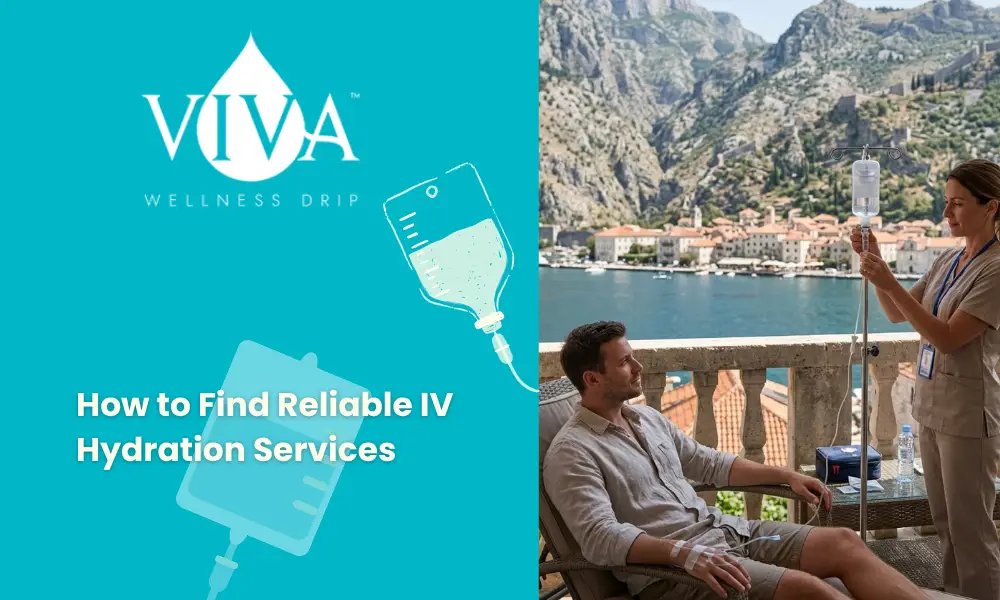
The team at Viva Wellness Drip brings IV hydration therapy to your address: home, hotel, or workplace, across Edmonton and surrounding areas. A medically-directed professional arrives with all clinical equipment, administers the infusion in 45 to 60 minutes in a space where you’re already comfortable, and leaves you in place to rest and recover. No commute, no waiting room, no energy expenditure on logistics when your energy is precisely what you’re trying to restore.
That format isn’t a luxury framing — it’s a practical one. Recovery that requires physical effort to access tends not to happen consistently. Recovery that comes to you does.
Hydration as a Consistent Investment, Not a Crisis Response
The shift worth making for Edmonton residents is from booking hydration therapy when things have gone wrong to building it into a wellness cadence that prevents the worst deficits from accumulating. Bi-weekly or monthly IV therapy in Edmonton sessions — timed around training blocks, winter’s passive depletion window, or festival season — maintain cellular hydration at a level that daily oral intake supports but can’t independently sustain under Edmonton’s specific demands.
The World Health Organization consistently links sustained functional capacity to consistent lifestyle inputs rather than periodic interventions. Hydration therapy as infrastructure, rather than rescue, is that kind of input.
Explore the full range of IV drip services and find the hydration protocol that fits what your body is actually asking for.
Frequently Asked Questions
What is IV hydration therapy and how is it different from drinking water?
IV hydration therapy delivers an isotonic saline solution — matched to the body’s natural fluid tonicity — directly into the bloodstream, bypassing the gastrointestinal tract entirely. Unlike oral hydration, which depends on gut absorption efficiency and takes time to distribute systemically, IV hydration reaches cells within minutes at near-100% efficiency, making it significantly faster and more complete under conditions of meaningful dehydration.
Why do Edmonton residents specifically benefit from hydration therapy?
Edmonton’s environment creates dehydration through two distinct seasonal mechanisms — passive moisture loss from forced-air indoor heating through winter, and active depletion from heat, physical activity, and alcohol during festival season. Both produce cumulative deficits that oral hydration manages partially but rarely resolves completely, making IV hydration a practical fit for the city’s specific physiological demands.
What electrolytes are included in IV hydration therapy sessions?
A comprehensive IV hydration protocol includes sodium and chloride from the saline base, along with potassium, magnesium, and calcium to address the full electrolyte panel that dehydration disrupts. Magnesium is particularly significant for active individuals, as it governs muscle relaxation and nerve conduction and is among the most commonly depleted minerals in both athletic and stressed populations.
How quickly does IV hydration therapy work compared to sports drinks or electrolyte tablets?
Sports drinks and electrolyte tablets improve on plain water by using the sodium-glucose cotransport mechanism to accelerate gut absorption — but they remain dependent on gastrointestinal function and deliver electrolytes at general-use concentrations. IV hydration bypasses the gut entirely, distributing fluid and electrolytes to tissues within minutes. Under conditions of meaningful dehydration, the restoration speed difference is categorical rather than incremental.
How often should Edmonton residents book IV hydration therapy?
For residents managing Edmonton’s seasonal dehydration demands — winter passive loss, active summer depletion, or regular high-intensity training — bi-weekly to monthly sessions are the most common maintenance cadence. Sessions can be scheduled more frequently during illness recovery, post-event periods, or intensive training blocks when dehydration demands are higher than baseline.