Quick Take (TL;DR)
- IV drip cost ranges from $100 to $400+ per session, depending on formulation, provider type, and location
- Mobile, at-home IV therapy typically runs $150–$350 — competitive when you factor in clinical-grade care delivered to your door
- Price varies by what’s in the bag: a basic saline drip costs far less than a NAD+ or Glutathione protocol
- The real question isn’t just “how much does IV drip cost” — it’s what’s actually in your drip, who’s administering it, and what outcomes you’re paying for
- Viva Wellness Drip offers medically-directed mobile IV therapy priced transparently, with every session overseen by a certified Medical Director
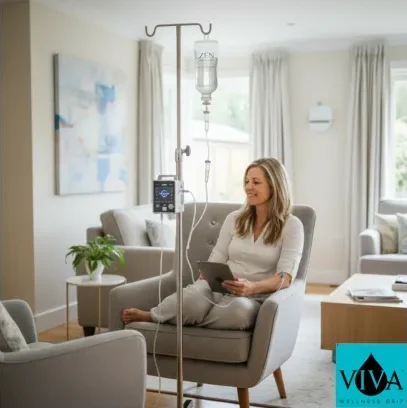
The Honest Answer: IV Drip Therapy Cost Is a Spectrum — Here’s How to Read It
I’ve spoken with hundreds of clients who came to IV therapy after Googling “how much does an IV drip cost” and found answers ranging from $79 pop-up clinic specials to $1,200 longevity clinic packages. The confusion is real — and it’s mostly because the industry hasn’t standardized what’s being compared.
Here’s the framework I use to decode IV drip pricing in 2026.
What Actually Drives the Cost of IV Drip Therapy
1. The Formulation in the Bag
This is the single biggest cost driver — and the one most people overlook. Not all IV bags are equal.
- A basic hydration drip (saline + electrolytes) is inexpensive to compound and typically sits at the lower end of the price range
- Add pharmaceutical-grade Vitamin C, B-complex, magnesium, and zinc, and costs rise proportionally
- NAD+ (nicotinamide adenine dinucleotide) is among the most expensive IV ingredients on the market — a full NAD+ drip can run $300–$500+ because the raw compound itself commands a premium, and sessions take 2–4 hours
- Glutathione push add-ons typically cost $30–$75 on top of a base drip price
Pro Tip: When comparing IV drip prices, always ask for the full ingredient list and milligram dosages — not just the drip name. A “Wellness Drip” at one provider may contain 500mg of Vitamin C; at another, it may contain 5,000mg. The price difference is justified. The name tells you nothing.
2. Who Administers It
The clinical oversight model behind your drip significantly shapes the cost — and the safety profile.
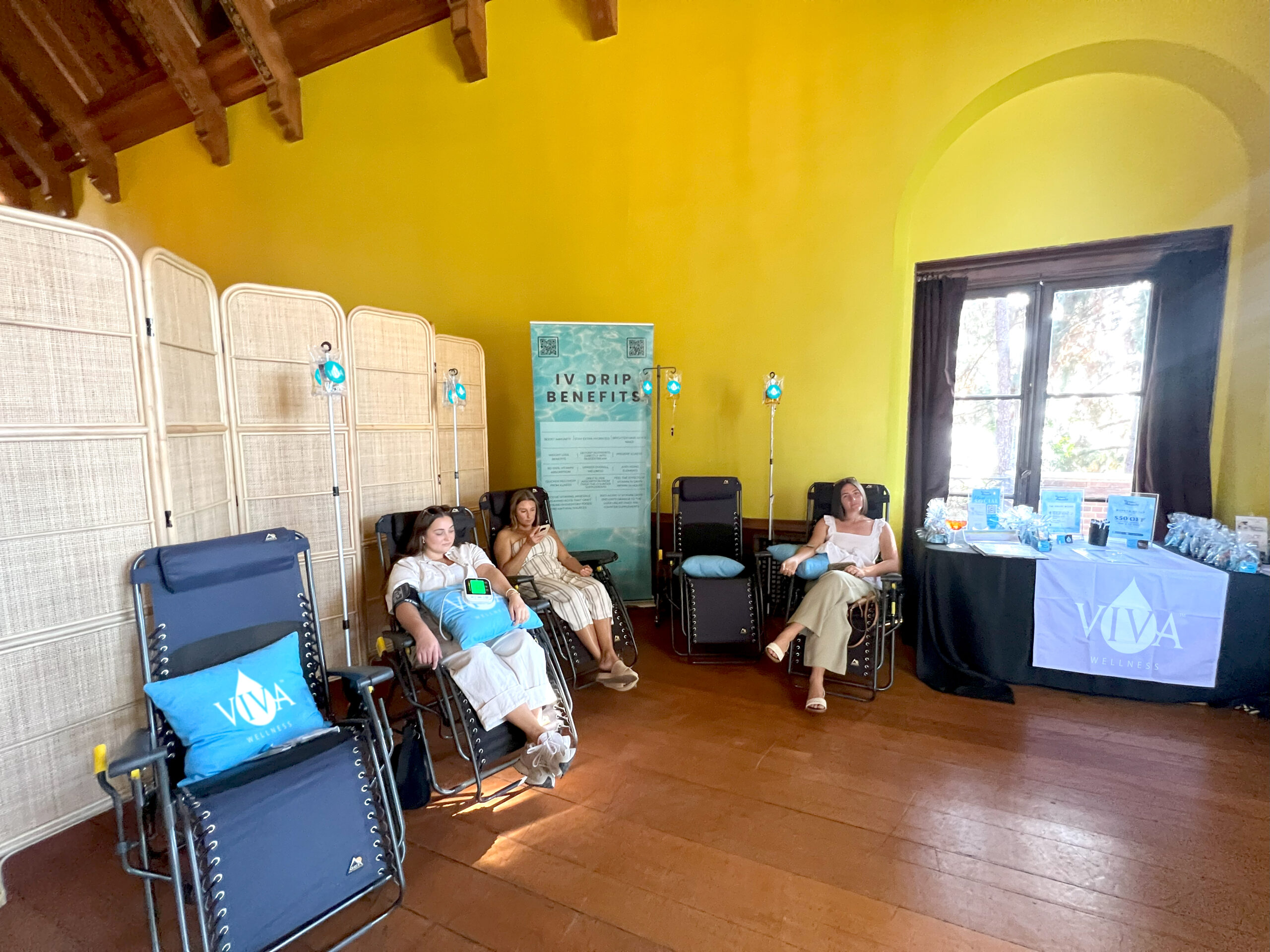
- Pop-up or spa-model IV bars often operate with minimal medical oversight and attract clients with low price points ($79–$120). The savings come from thinner formulations and less rigorous health screening.
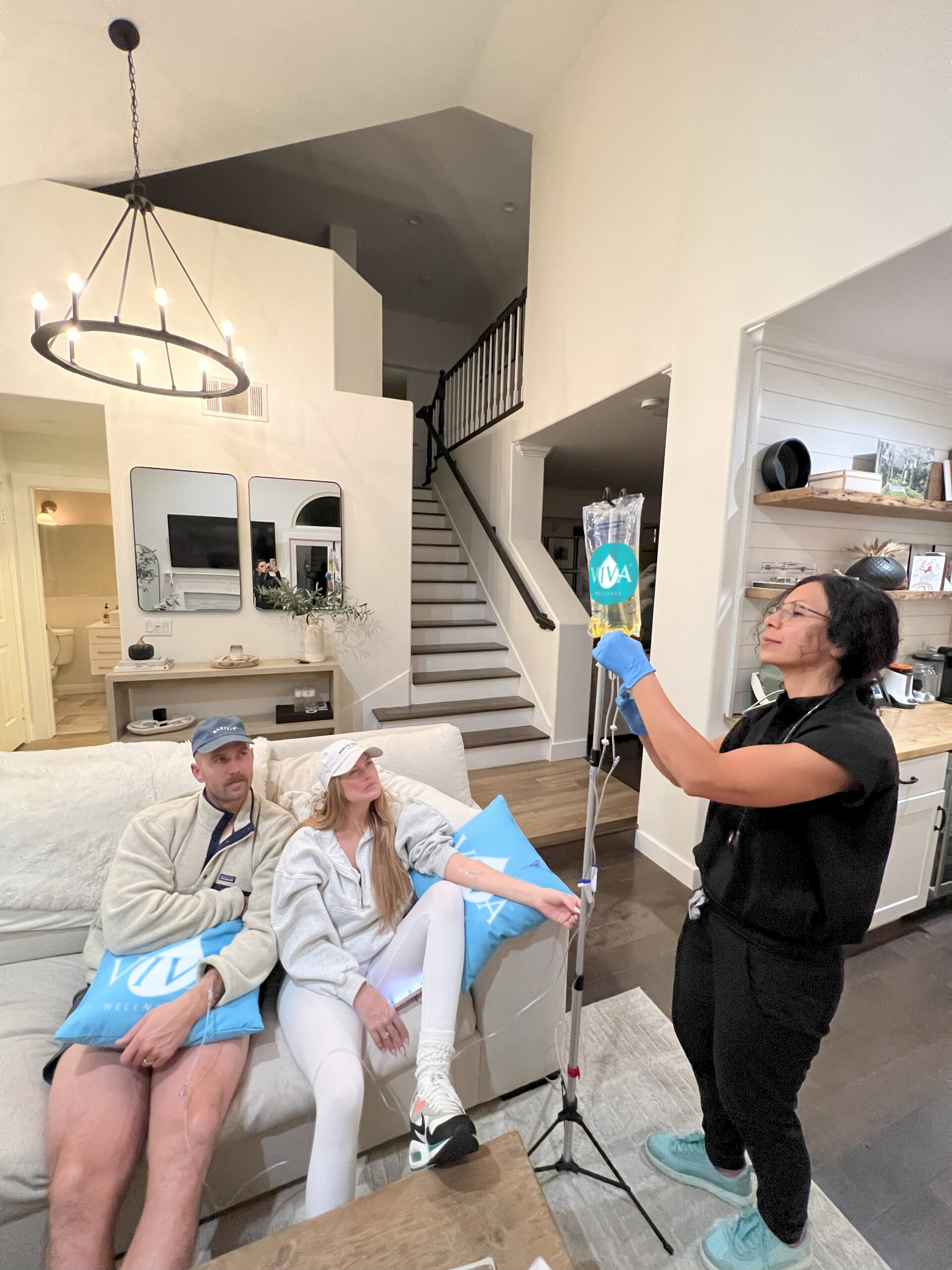
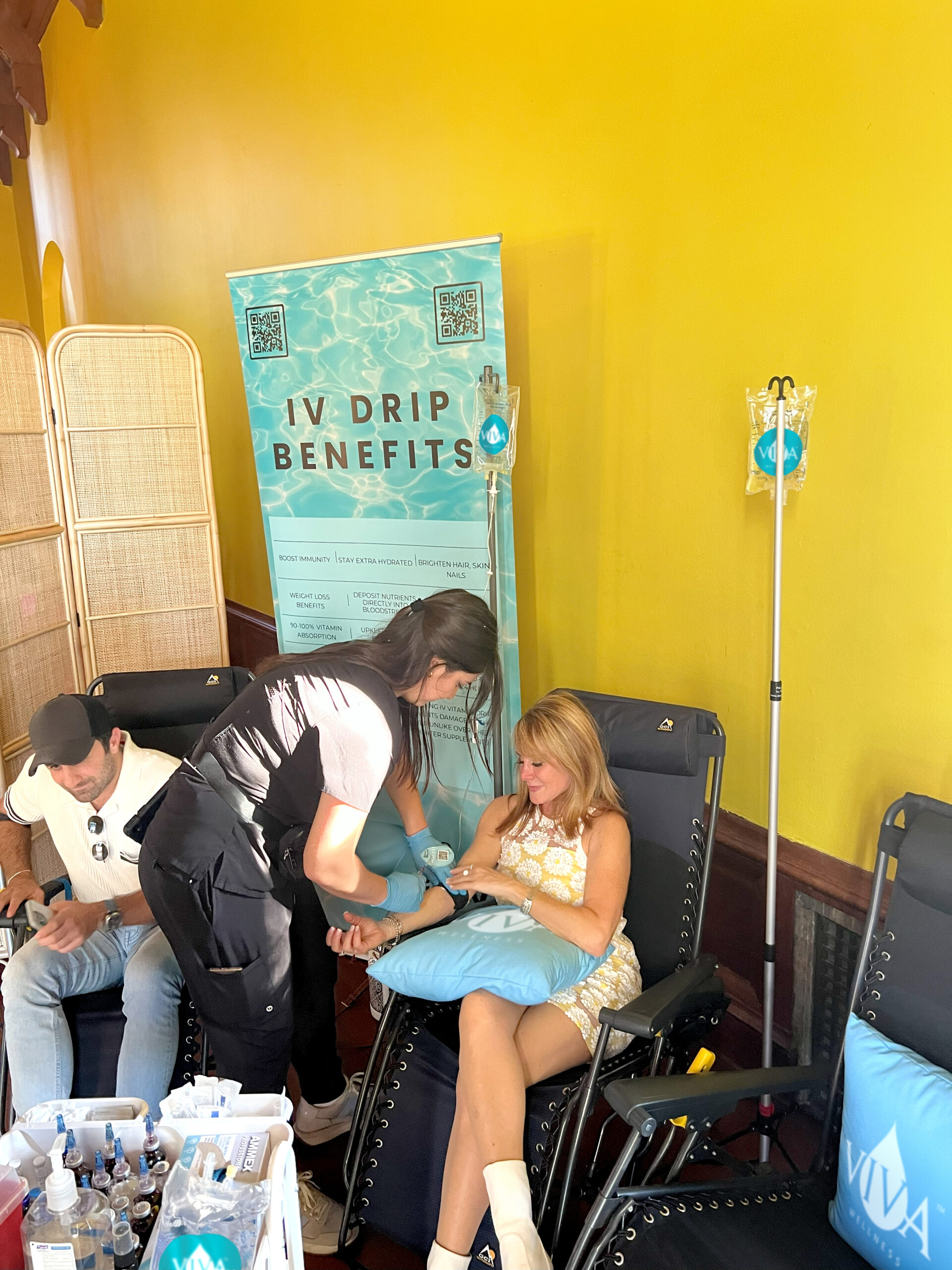
- Mobile IV therapy services with registered nurses and a licensed Medical Director — like Viva Wellness Drip — price sessions to reflect genuine clinical infrastructure: telephone clearance with a Nurse Practitioner, nurse-to-client ratios, and pharmaceutical-grade sourcing.
- Hospital or clinical IV therapy for wellness purposes sits at the highest price point ($400–$1,200) largely due to overhead — not necessarily superior outcomes.
The American Nurses Association recognizes intravenous therapy as a specialized clinical skill. When you pay for a qualified RN, you’re paying for someone trained to detect complications, manage access sites, and respond to adverse reactions — not just insert a needle.
3. Mobile Premium vs. Clinic Visit
Here’s something the industry rarely advertises: the convenience of mobile IV therapy often costs less than you’d expect when you factor in your time.
Consider the true cost of a clinic visit:
- Travel time (30–60 minutes round trip)
- Waiting room time (15–30 minutes)
- The session itself (30–45 minutes)
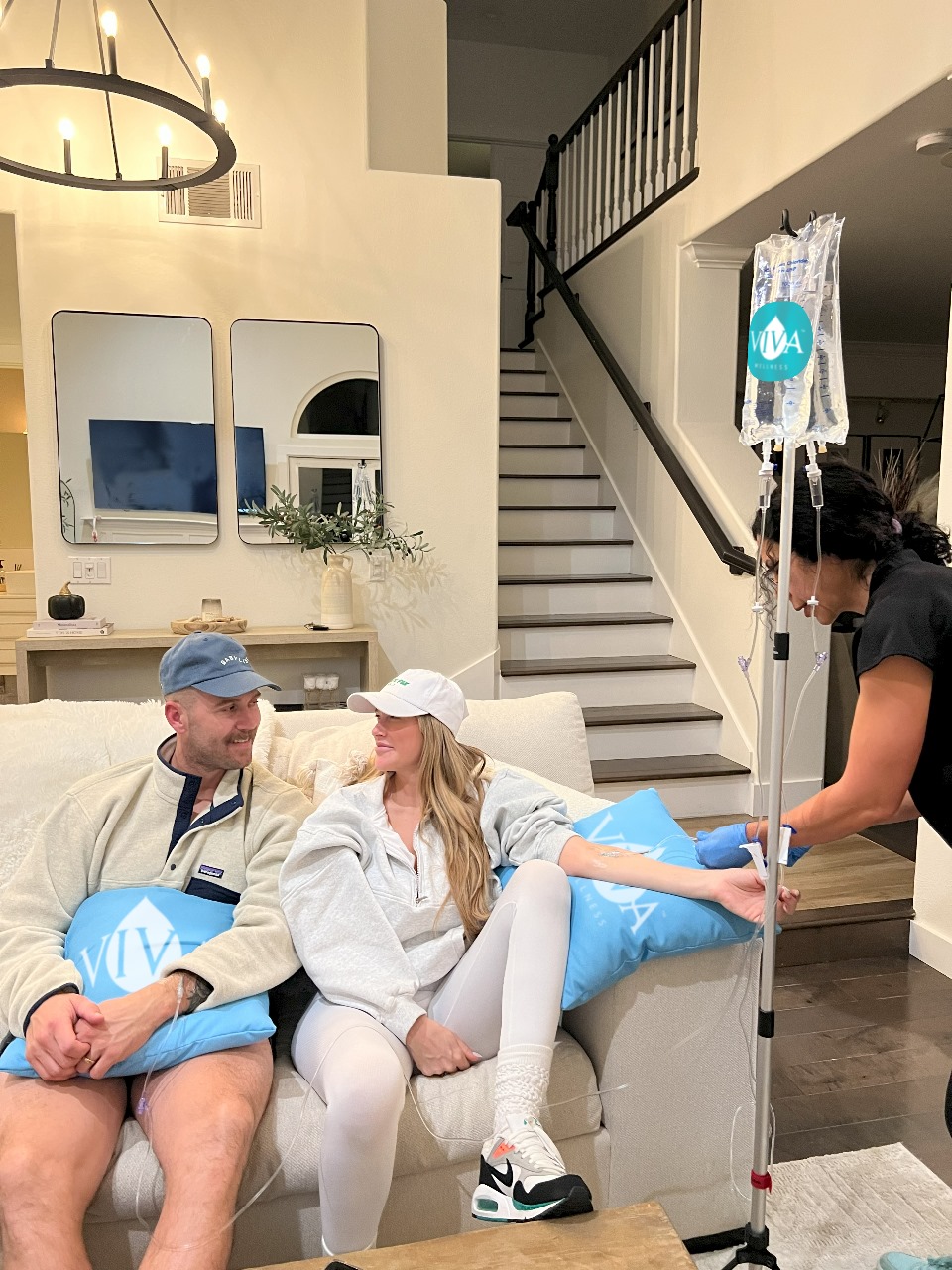
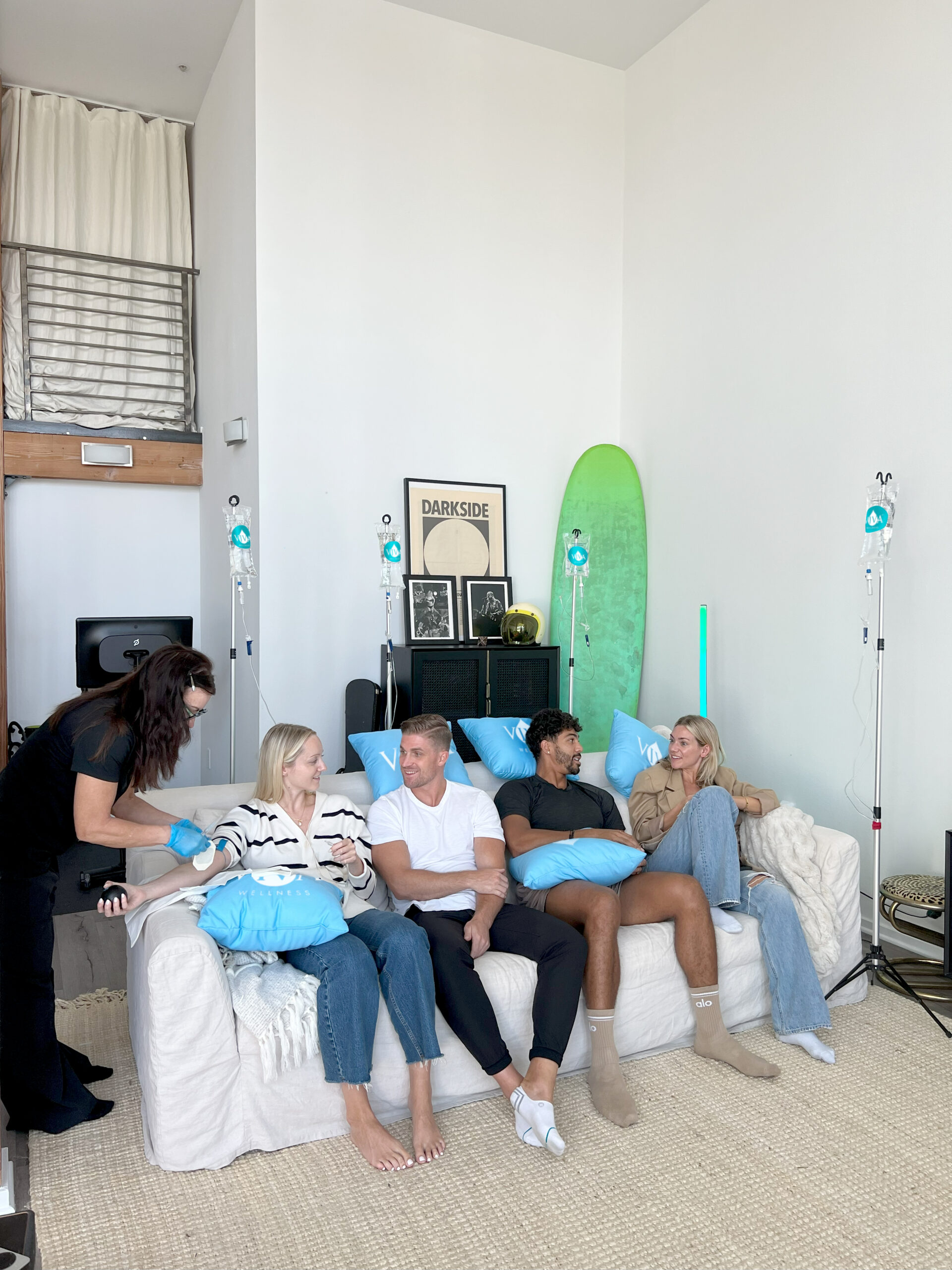
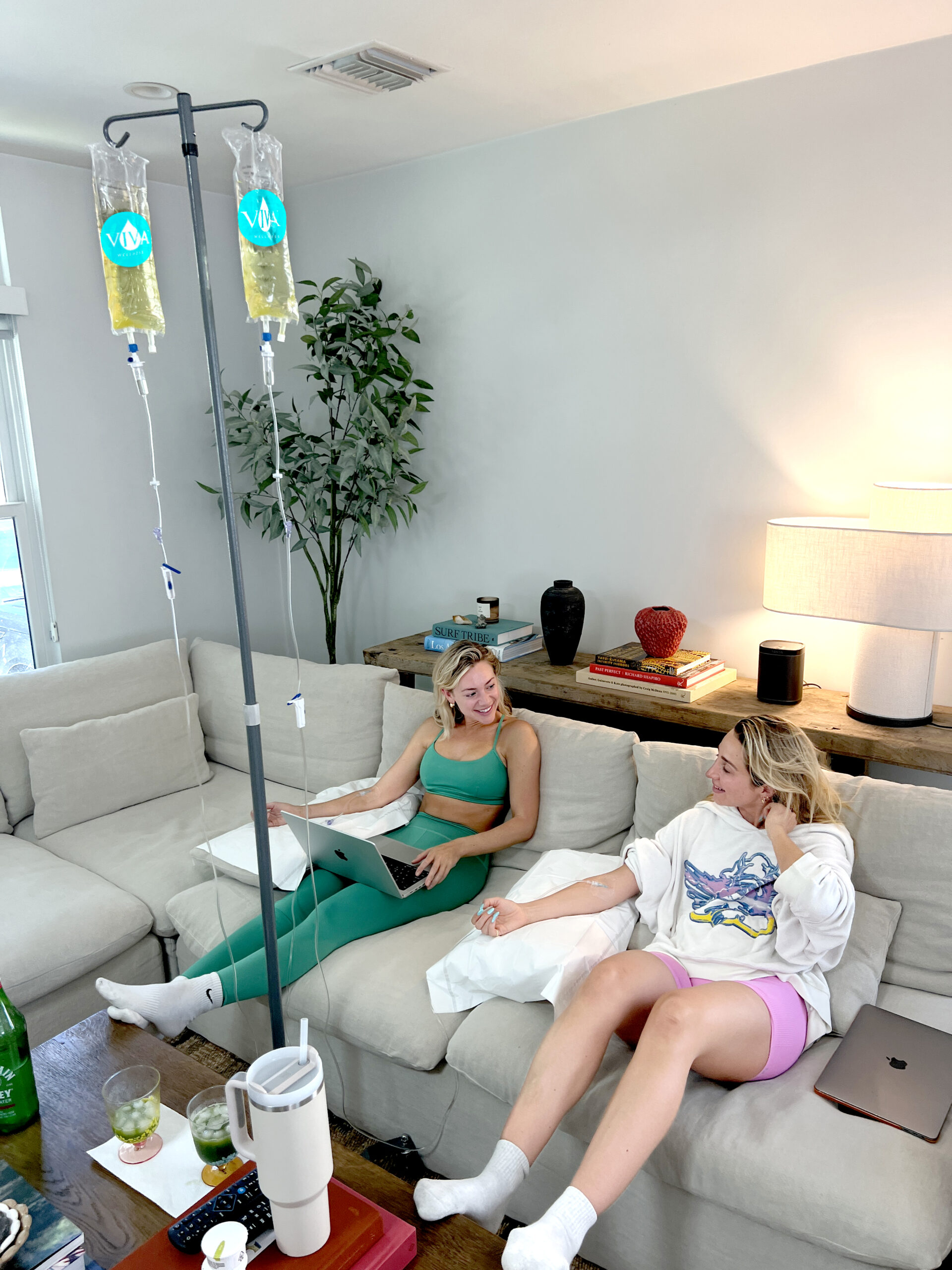
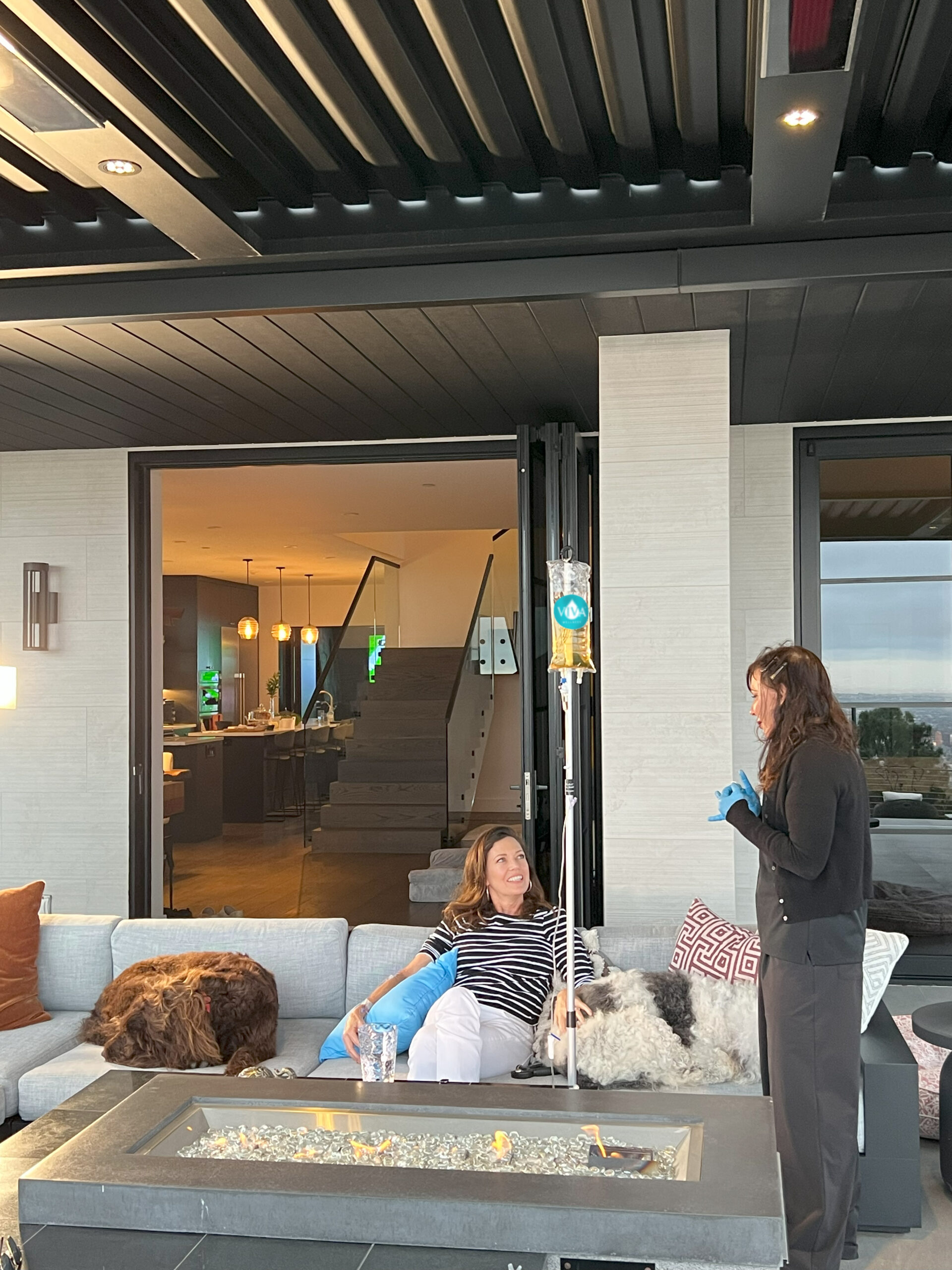
Mobile IV therapy eliminates those variables entirely. You stay in your home, hotel, or office. The nurse comes to you. For clients managing demanding schedules, that equation shifts the perceived cost of IV drip therapy dramatically.
Pro Tip: If you’re evaluating mobile IV therapy costs for the first time, calculate your effective hourly rate against the time you’d spend traveling to a clinic. For most professionals, mobile delivery pays for the premium within the first session.
IV Drip Cost by Drip Type: A Realistic 2026 Pricing Guide
| Drip Type | Typical Price Range | Session Length | Best For |
| Basic Hydration / Saline | $100–$149 | 30–45 min | General rehydration |
| Energy Boost / B-Complex | $130–$200 | 30–45 min | Fatigue, performance |
| Hangover Recovery | $149–$220 | 30–45 min | Post-alcohol recovery |
| Myers’ Cocktail | $160–$250 | 30–45 min | Broad wellness reset |
| High-Dose Vitamin C | $175–$275 | 45–60 min | Immune support, skin |
| Glutathione Protocol | $200–$300 | 45–60 min | Detox, skin radiance |
| NAD+ Drip | $300–$500+ | 2–4 hours | Longevity, cellular energy |
| Premium Combo (Ultimate) | $250–$400 | 45–60 min | Full-body optimization |
Is the Cost of IV Drip Therapy Actually Worth It in 2026?
This is the question that deserves a direct answer — not a hedge.
Yes, when the following conditions are met:
- You’re working with a medically-directed provider using pharmaceutical-grade compounds
- The formulation is calibrated to your health goals, not a generic menu item
- You’re using it as part of a broader wellness strategy — not as a substitute for sleep, nutrition, or exercise
The science supports the value proposition. A study published in Nutrients confirmed that intravenous delivery achieves plasma concentrations of Vitamin C 70 times higher than equivalent oral doses — concentrations associated with meaningful antioxidant and collagen-stimulating activity. Oral supplements simply cannot replicate this. The bioavailability gap is the core reason IV therapy commands a premium, and it’s the reason clients return.
In the context of 2026 wellness priorities — healthspan optimization, metabolic resilience, and the damp drinking movement (mindful, reduced alcohol consumption with smarter recovery) — IV therapy has evolved from a luxury into a measurable health investment. The Myers’ Cocktail remains one of the best-value drips for broad-spectrum replenishment, having been clinically used for decades to address magnesium deficiency, immune depletion, and energy crashes.
For clients investing in longevity protocols, the NAD+ Boost IV represents the frontier of cellular energy medicine — delivering the coenzyme directly into circulation where oral NAD+ precursors achieve only partial conversion.
Pro Tip: The worst value in IV therapy is a cheap drip from an unverified provider. Diluted formulations, undertrained staff, and unsanitary compounding conditions don’t just fail to deliver results — they introduce risk. Pay for the clinical infrastructure. It’s the only part of the experience that actually protects you.
How to Get the Most Value from Your IV Drip Investment
- Book a protocol, not a one-off session. Cellular nutrient levels build over consistent replenishment cycles. A single drip is a reset; a monthly protocol is a foundation.
- Align your drip to your recovery window. Timing matters. For hangover recovery or post-event fatigue, earlier is measurably better due to the peak window of acetaldehyde toxicity and cellular dehydration.
- Ask about your intake process. Reputable providers like Viva Wellness Drip conduct telephone health clearances before your first session — a sign of genuine clinical standards, not just upselling.
- Compare milligrams, not marketing names. “Glow Drip” and “Radiance Infusion” mean nothing without the ingredient panel.
People Also Ask: 5 FAQs on IV Drip Cost
Q1: How much does an IV drip cost on average?
Most quality mobile IV drip sessions range from $150–$300 depending on the formulation. Basic hydration starts lower; NAD+ and premium combo drips sit higher. Always factor in what’s in the bag, not just the session fee.
Q2: Is IV drip therapy cost covered by insurance?
In most cases, wellness IV therapy is not covered by standard health insurance plans. Some HSA/FSA accounts may allow IV therapy expenses — check with your plan administrator. Medical IV therapy for diagnosed conditions may qualify separately.
Q3: How much does IV drip therapy cost compared to oral supplements?
A monthly premium supplement stack can run $100–$200 with 20–50% bioavailability. A monthly IV session at $150–$250 delivers near-100% intracellular absorption. The cost-per-effective-dose often favors IV therapy for targeted health goals.
Q4: How often do I need IV therapy to justify the cost?
Most clients on a maintenance protocol book once every 2–4 weeks. For acute recovery goals (illness, athletic events, post-travel), a targeted single session delivers measurable ROI within 24 hours.
Q5: What’s the most cost-effective IV drip for first-time users?
A Myers’ Cocktail or Energy Boost formulation provides the broadest wellness return at mid-range price points — making them ideal entry drips that demonstrate value without requiring the investment of a NAD+ protocol.
The Bottom Line on IV Drip Cost
The iv drip cost conversation is ultimately about value alignment. If you’re comparing a $90 pop-up drip to a $220 medically-directed mobile session, you’re not comparing the same product. You’re comparing saline to a precision wellness protocol — delivered by a registered nurse, cleared by a Nurse Practitioner, and formulated by a Medical Director.
In 2026, the most forward-thinking wellness clients aren’t asking “how can I spend less on IV therapy?” They’re asking “how can I make every session count?” That shift in framing is where the real return on investment lives.
Explore the full menu and book your first session with Viva Wellness Drip →