Most wellness conversations skip the mechanism. They describe outcomes — more energy, faster recovery, better immunity — without explaining why IV therapy produces those outcomes more reliably and more rapidly than the supplements lining most people’s bathroom cabinets. That gap matters. Understanding the science behind intravenous nutrient delivery isn’t just intellectually satisfying — it’s what separates an informed decision about IV therapy from a transaction based on marketing.
The answer comes down to a single concept: bioavailability. And for Edmonton residents navigating the specific physiological demands of a Prairie climate, demanding professional culture, and year-round active lifestyle, it’s the concept that makes IV drip Edmonton a clinically meaningful tool rather than a wellness trend.
What Bioavailability Actually Means
Bioavailability is the proportion of an administered substance that reaches systemic circulation in an active form and is therefore available to produce a physiological effect. A compound with 100% bioavailability delivers its full dose to the bloodstream. A compound with 20% bioavailability delivers one fifth of its stated dose — the rest is metabolised, excreted, or structurally altered before it reaches target tissues.
Oral supplementation operates at variable bioavailability across virtually every compound used in wellness protocols. The gastrointestinal tract is not a neutral delivery system. It filters, transforms, and limits what reaches the bloodstream based on gut health, competing nutrients, digestive enzyme activity, intestinal transit time, and the body’s current physiological state. These variables don’t average out to a consistent number — they fluctuate based on stress, illness, training load, alcohol exposure, and a dozen other factors that are rarely static.
Intravenous delivery produces 100% bioavailability by definition. There is no gastrointestinal filter, no hepatic first-pass metabolism for the compounds that bypass it, no competing absorption pathway. The substance enters the bloodstream directly and reaches systemic circulation in its active form, intact and immediate.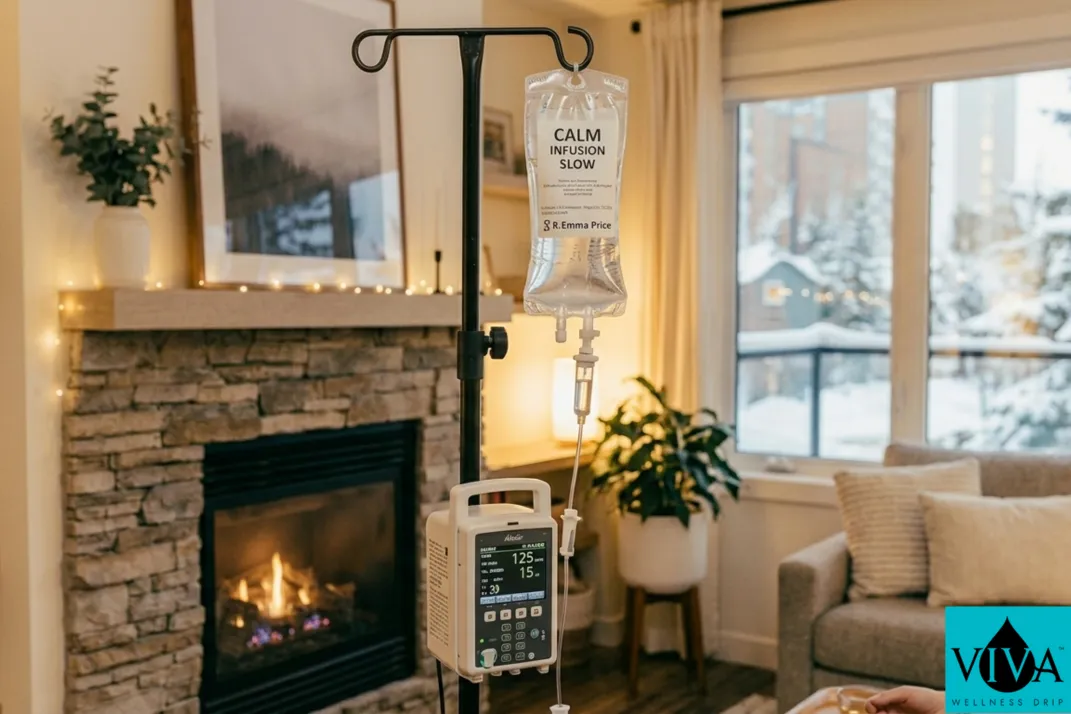
The Pharmacokinetics of Oral vs. IV Delivery
First-Pass Metabolism and What It Costs
Many orally administered compounds undergo first-pass metabolism — a process in which the liver intercepts and partially metabolises a substance absorbed from the gut before it reaches systemic circulation. The clinical significance of first-pass metabolism varies by compound, but for several nutrients used in IV therapy protocols, it represents a meaningful reduction in the dose that actually reaches target tissues.
Glutathione is a clear example. Oral glutathione supplementation has poor bioavailability because the molecule is broken down in the gastrointestinal tract before absorption — what reaches the liver arrives as constituent amino acids rather than intact glutathione. Intravenous glutathione precursor delivery — typically N-acetylcysteine or glutathione directly — bypasses this degradation pathway, raising intracellular glutathione concentrations at a rate and magnitude that oral supplementation cannot replicate. Research indexed through PubMed confirms glutathione’s role in oxidative stress management and immune regulation, and the delivery method is central to whether that role can be meaningfully fulfilled.
The Vitamin C Absorption Ceiling
Vitamin C pharmacokinetics illustrate the bioavailability argument with particular clarity. The gastrointestinal tract absorbs vitamin C through sodium-dependent active transport proteins — SVCT1 primarily — which saturate at intakes of roughly 200 to 500mg. Beyond this threshold, additional oral vitamin C is increasingly excreted rather than absorbed, producing a hard ceiling on the plasma concentration achievable through oral dosing regardless of how much is consumed.
Intravenous vitamin C eliminates this ceiling entirely. IV delivery can raise plasma vitamin C concentrations to levels 30 to 70 times higher than the maximum achievable orally — concentrations associated with immune modulation, collagen synthesis support, and antioxidant activity at clinically relevant levels. For Edmonton residents heading into cold season with immune support as the objective, this difference is not theoretical — it’s the reason the outcome profile of IV vitamin C is categorically different from high-dose oral supplementation.
B12 and Intrinsic Factor Dependency
Vitamin B12 absorption through the gastrointestinal tract depends on intrinsic factor — a glycoprotein produced by parietal cells in the stomach lining that binds B12 and enables its uptake in the terminal ileum. Intrinsic factor production declines with age, with certain autoimmune conditions, and with long-term use of proton pump inhibitors — a class of acid-suppressing medication used by a significant and growing portion of the adult population.
The result is a subset of people — larger than commonly recognised — who cannot absorb oral B12 adequately regardless of dietary intake or supplement dose. Their B12 deficiency is not a dietary problem. It’s a pharmacokinetic one. Intravenous B12 bypasses the intrinsic factor pathway entirely, delivering the vitamin directly into systemic circulation and producing the neurological and energy outcomes that oral supplementation has been failing to deliver. The National Institutes of Health has documented the systemic effects of B12 insufficiency on cognitive function, neurological integrity, and energy metabolism — outcomes that resolve reliably with IV delivery in deficient individuals.
Why Edmonton’s Conditions Specifically Reduce Oral Bioavailability
The bioavailability argument applies universally, but Edmonton’s specific environment compounds it in ways worth understanding directly.
Physiological Stress and Gut Absorption
Sustained psychological and occupational stress — the baseline condition for much of Edmonton’s professional and working population — has well-documented effects on gastrointestinal function. Chronic stress activates the hypothalamic-pituitary-adrenal axis, increasing cortisol output and reducing blood flow to the digestive system as part of the sustained sympathetic nervous system response. The practical consequence is reduced gut motility, altered intestinal permeability, and compromised nutrient absorption — meaning the supplements taken under stress are absorbed less efficiently than those taken under calm, healthy conditions.
Cold-Season Immune Pressure
During Edmonton’s prolonged cold season, the immune system operates under sustained demand — responding to viral exposure, compensating for vitamin D insufficiency from reduced sun exposure, and managing the oxidative load from temperature regulation. Under these conditions, the body’s micronutrient requirements increase while gut absorption — often compromised by the same illness and stress the immune system is responding to — decreases. The gap between what oral supplementation delivers and what the body needs widens precisely when it matters most.
Alcohol and Nutrient Absorption
Edmonton’s social and festival culture involves alcohol — not as pathology, but as cultural reality. Alcohol has well-documented negative effects on gastrointestinal nutrient absorption: it damages the intestinal epithelium, reduces active transport of B vitamins, and accelerates the depletion of zinc, magnesium, and folate. For the growing cohort aligned with the damp drinking movement — mindful consumption rather than abstinence — IV therapy provides a recovery pathway that addresses the absorption deficit alcohol creates rather than simply waiting for the gut to restore itself.
The Clinical Case for IV Therapy Beyond Wellness Marketing
It’s worth being direct about what IV drip therapy is and isn’t. It isn’t a cure, a diagnostic tool, or a substitute for addressing underlying health conditions. What the pharmacokinetic evidence consistently supports is a specific and clinically meaningful advantage: under conditions where oral bioavailability is limited — by gut dysfunction, physiological stress, intrinsic factor deficiency, or the absorption ceilings of specific compounds — intravenous delivery produces outcomes that oral supplementation cannot replicate at equivalent doses.
For Edmonton residents managing the cumulative micronutrient demands of a demanding climate and high-output lifestyle, that advantage is real and practically significant. The World Health Organization frames sustained functional health as the product of consistent, evidence-based inputs — and the bioavailability science behind IV therapy places it firmly in that category.
The team at Viva Wellness Drip works with clients across Edmonton to identify the specific deficits and delivery protocols that match their physiological needs — not a generic formulation, but a considered protocol based on what the science says works and why. Explore the full range of IV drip services and find the protocol that’s built on the mechanism, not just the outcome.
Frequently Asked Questions
What does bioavailability mean and why does it matter for IV drip therapy?
Bioavailability is the proportion of a substance that reaches systemic circulation in an active, usable form. IV drip therapy achieves near-100% bioavailability by delivering nutrients directly into the bloodstream, bypassing the gastrointestinal system entirely. Oral supplements, by contrast, are subject to variable gut absorption rates, first-pass liver metabolism, and compound-specific absorption ceilings — all of which reduce the dose that actually reaches target tissues.
Why can’t high-dose oral supplements replicate the effects of IV vitamin C?
The gut absorbs vitamin C through transport proteins that saturate at intakes of roughly 200 to 500mg, after which excess is excreted rather than absorbed. IV delivery bypasses this ceiling entirely, raising plasma vitamin C concentrations to levels many times higher than oral dosing allows — enabling immune and antioxidant effects that oral supplementation cannot achieve regardless of dose.
Who is most likely to have compromised oral supplement absorption in Edmonton?
Individuals under sustained occupational or psychological stress, those with gastrointestinal conditions affecting absorption, older adults with reduced intrinsic factor production, long-term users of proton pump inhibitors, and those with regular alcohol exposure all have measurably reduced oral bioavailability for key micronutrients. IV therapy is particularly well-suited for these populations because it bypasses the absorption pathways that are specifically compromised.
Is the science behind IV drip therapy the same as what’s used in clinical medicine?
Yes. Intravenous nutrient and fluid delivery has been standard clinical practice for decades — in hospital hydration protocols, chemotherapy support, post-surgical recovery, and treatment of specific deficiency conditions. The application in proactive wellness uses the same delivery mechanism and pharmacokinetic principles, applied to maintaining optimal micronutrient status rather than correcting acute medical conditions.
How does Edmonton’s climate specifically affect how well oral supplements work?
Edmonton’s cold season combines sustained physiological stress — from temperature regulation, reduced sunlight, and immune pressure — with the gut absorption reduction that chronic cortisol elevation produces. The result is a wider gap between the micronutrients consumed orally and those that actually reach target tissues, making IV delivery’s bioavailability advantage more practically significant in Edmonton than in more temperate, lower-stress environments.