Getting a needle for IV treatments can make many people feel anxious or scared. New noninvasive devices now help reduce painful pin pricks and offer easy IV access. This blog shares proven hacks from nurses to make your next IV placement more comfortable and effective.
Key Takeaways
- New noninvasive devices like Princeton University’s laser system and wearable sweat sensors in 2024 help reduce painful needle sticks for IV access and blood glucose checks.
- Vein visualization tools use infrared light to make veins easier to find, lowering the number of failed sticks and making IV placement less stressful for patients.
- Proper hydration before procedures makes veins plumper, increasing the chances of successful IV insertion and reducing discomfort for both patients and nurses.
- Warm compresses applied for 5–10 minutes help widen blood vessels, making it easier to insert a needle with less pain.
- Nurses suggest trying new needle-free technology—such as continuous glucose monitors—to improve comfort, quality of care, and patient outcomes without frequent pin pricks.
Common Challenges in IV Access
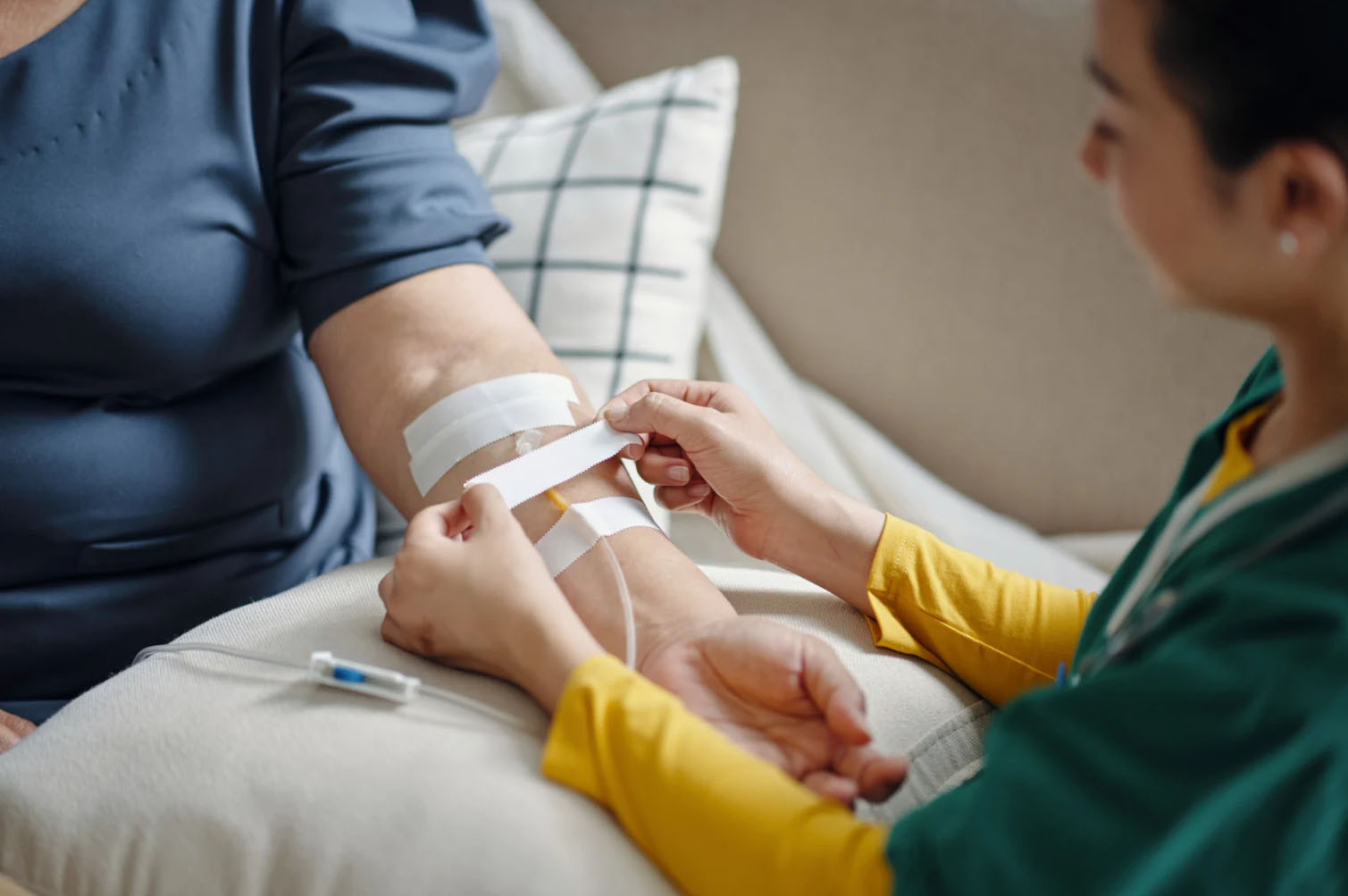
Many people have small or hidden veins, which can make IV access tricky. Patients with needle anxiety may tense up, causing their veins to shrink and making it harder for nurses to insert the needle.
Frequent pin pricks from traditional methods can cause discomfort and even bruising, especially for diabetes patients who rely on finger pricks for blood glucose checks.
New technology like noninvasive blood glucose monitoring aims to improve IV comfort by reducing the need for painful sticks. Devices such as Princeton University’s laser system and wearable sweat sensors offer needle-free options that are changing how caregivers manage chronic conditions in 2024.
These advances promise more effective IV tips and a better experience for anyone who needs regular monitoring or treatment.
Proven Hacks for Easy IV Access
Nurses use special tricks to make IVs less painful and faster. They share simple methods that work for many patients who want a painless IV.
Vein visualization tools
Vein visualization tools help nurses find veins quickly and easily. These devices use infrared light to show a clear image of the veins beneath the skin. This increases the chances of successful IV access and makes procedures less painful for patients.
With these tools, healthcare professionals can avoid multiple needle sticks.
Using vein visualization technology lowers stress during procedures and enhances patient comfort. The development of such innovative solutions could lead to more painless IV experiences in hospitals everywhere.
Experienced nurses often recommend these tools when dealing with challenging cases, ensuring better outcomes. Next, we will explore proper hydration techniques for IV access improvement.
Proper hydration techniques
Proper hydration plays a key role in successful IV access. Patients who drink enough fluids can make their veins plumper and easier to locate. Staying hydrated increases blood volume, which helps nurses find suitable veins for insertion.
Dehydration can lead to smaller veins that are hard to see or feel.
Encouraging patients to drink water before the procedure benefits everyone involved. It can reduce stress for both the patient and the nurse, making the process smoother. Furthermore, proper hydration techniques improve circulation and enhance vein visibility during IV placement.
Warm compress application
Warm compresses can help improve IV access. Applying heat to the skin causes blood vessels to widen, making veins easier to see and access. Nurses recommend using warm compresses for about 5 to 10 minutes before inserting a needle.
This method reduces discomfort during the procedure.
Noninvasive methods for measuring blood glucose levels are also on the rise. These approaches aim to eliminate painful finger pricks, improving quality of life for diabetes patients.
The development of wearable devices that analyze sweat will further enhance monitoring options without invasive techniques.
Needle-free options
Transitioning from warm compress application, needle-free options offer promising advancements in healthcare. Scientists are developing noninvasive methods for monitoring blood glucose levels.
These innovative systems allow diabetes patients to avoid painful finger pricks. For instance, researchers at Princeton University created a laser device that measures blood sugar without drawing blood.
In addition, wearable sensors can now sample human sweat and provide vital feedback on chronic conditions. This technology significantly reduces the reliance on traditional pin pricks for monitoring health metrics.
By integrating these needle-free devices into diabetes care, we can greatly improve patient comfort and quality of life.
Tips from Experienced Nurses
Experienced nurses share valuable insights for making IV access easier. They recommend using vein visualization tools to spot veins quickly. Proper hydration helps, too; fluid-filled veins become more prominent and accessible.
Warm compresses can also improve blood flow; applying them before the procedure makes a difference.
Some nurses suggest exploring needle-free options that are now available. These alternatives reduce discomfort and anxiety for patients. Insights from continuous glucose monitoring show that new methods significantly enhance care quality for those with diabetes.
Noninvasive systems could reshape traditional practices and offer better patient outcomes without pin pricks or frequent finger sticks.
Conclusion
Nurses have shared great tips for easy IV access. Simple hacks can make a big difference. Using vein visualization tools helps find veins more easily. Keeping patients hydrated also boosts success rates.
Warm compresses relax the skin, improving needle entry. With these tips, no one needs to fear pin pricks anymore!
FAQs
1. What are some proven hacks for easy intravenous line access according to nurses?
Nurses suggest warming the patient’s arm, using a vein finder, and choosing larger veins near the forearm. These methods help make insertion easier and faster.
2. How does warming the skin help with IV access?
Warming increases blood flow in the area; this makes veins stand out more clearly for easier needle placement.
3. Why do nurses prefer certain sites on the arm for IVs?
Nurses often select areas with visible or straight veins such as those in the forearm because they reduce complications and improve success rates.
4. Can technology assist with finding a good spot for an intravenous catheter?
Yes, devices that use infrared light can highlight suitable veins under the skin; this helps nurses avoid multiple attempts at insertion.