Many people wonder why free speech matters so much in Berkeley / Oakland. In 1964, the Free Speech Movement at UC Berkeley changed protest history across America. This blog will show you how activism and social movements shaped political history here.
Key Takeaways
- In 1964, the Free Speech Movement (FSM) began at UC Berkeley when students protested rules that restricted political speech on campus.
- Mario Savio became a leading voice of FSM, giving passionate speeches and organizing protests like the December 1964 Sproul Hall sit-in with thousands of students.
- Activists such as Jack Weinberg also played key roles; his arrest during protests sparked even larger demonstrations across campus.
- The FSM forced UC Berkeley’s administration to meet some demands in early 1965, which was a significant win for student rights and civil liberties in America.
- Today, both Berkeley and Oakland remain centers for activism, where new generations continue to advocate for justice and free speech inspired by their radical history.
The Roots of Free Speech in Berkeley and Oakland
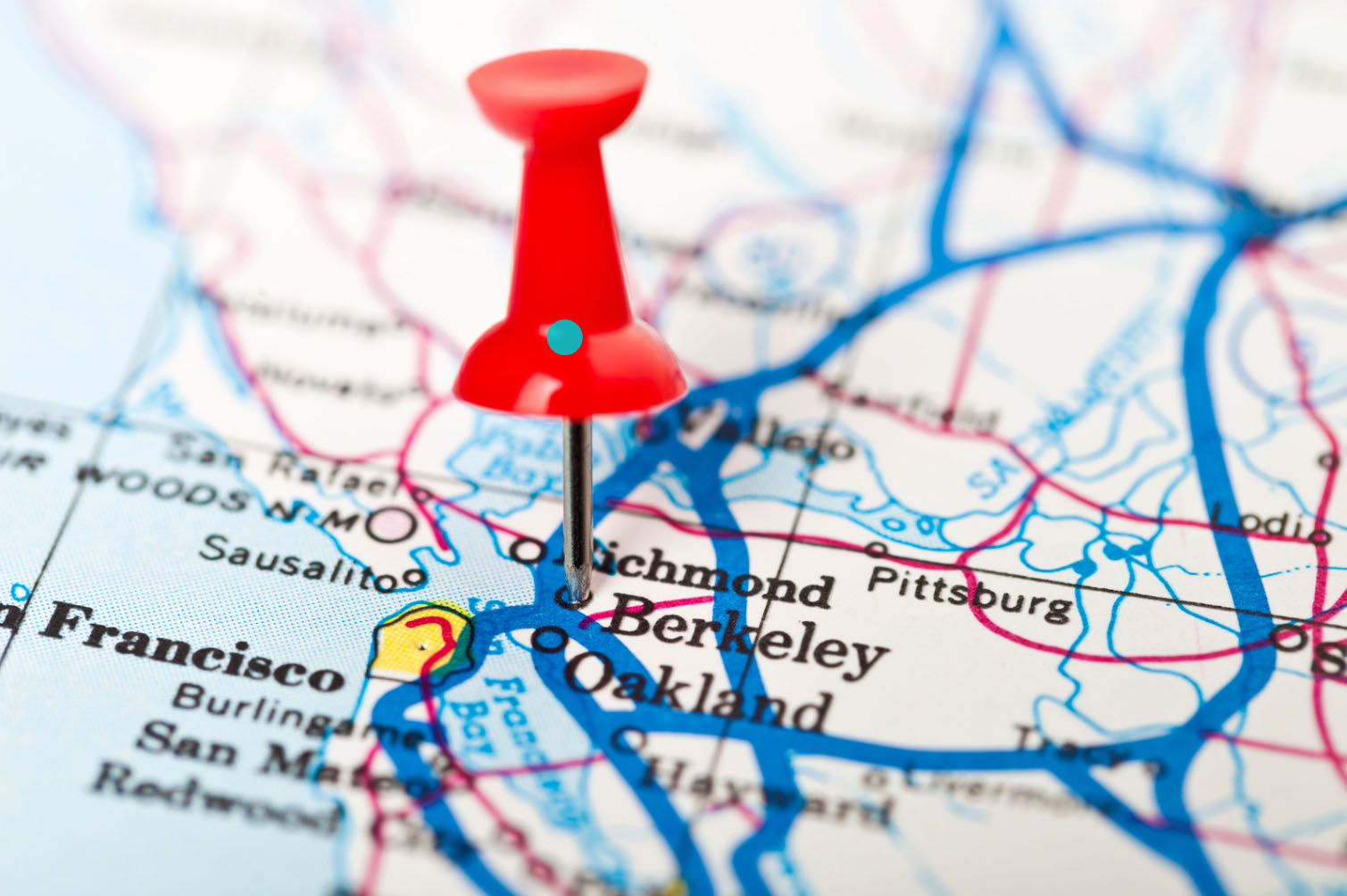
Local protests shaped early Berkeley activism and changed how people saw civil rights. Oakland history shows bold actions sparked new ideas on university culture and public debate.
Early activism and social movements
Berkeley and Oakland have long histories of activism. Student uprisings at UC Berkeley shaped university culture and influenced national civil rights struggles. The campus saw early protests about racial equality, war, and political resistance.
In the 1964-65 academic year, students set up a fundraising table on campus to support civil rights groups. Administrators tried to stop them by restricting free speech activities.
The conflict led to the massive sit-in at Sproul Hall in December 1964. Students demanded their right to organize and speak out for justice. Their actions paved the way for the famous Free Speech Movement.
This era turned local Berkeley landmarks into symbols of protest and radical change in California history.
The Free Speech Movement of the 1960s
Early activism paved the way for major change in Berkeley and Oakland. The Free Speech Movement (FSM) of 1964-65 emerged as a powerful force during this time. Students rallied at UC Berkeley to fight for their rights on campus.
Their struggle began with a dispute over a fundraising table set up by students for political causes. This conflict ignited widespread protests that captured national attention.
In December 1964, FSM leaders organized a massive sit-in at Sproul Hall to demand free speech protections. Thousands of students participated, making it one of the largest student uprisings in American history.
This movement marked the beginning of what many called the Radical Sixties, which transformed campuses across the country. Over time, FSM’s influence shaped perceptions about civil rights and civic engagement in Berkeley as well as throughout Oakland and beyond.
Key Figures and Events in the Fight for Free Speech
The Free Speech Movement featured many influential figures. Their actions shaped the course of history.
- Mario Savio emerged as a prominent leader during the Free Speech Movement at UC Berkeley. He rallied students with passionate speeches, urging them to take a stand against university restrictions on political expression.
- The protest began over a fundraising table set up by students for civil rights organizations. University officials prohibited this activity, sparking outrage among students who valued free speech.
- A major event took place in December 1964, when student leaders organized a massive sit-in at Sproul Hall. This act of civil disobedience drew attention to their demands and garnered support from fellow students and faculty members.
- Many other activists joined the movement, including Jack Weinberg, who became famous after police arrested him during protests. His arrest served as a catalyst for larger demonstrations across campus.
- The Free Speech Movement helped inspire similar movements nationwide. Its success encouraged students to fight for social justice and civil liberties throughout the Radical Sixties.
- In early 1965, UC Berkeley administration agreed to some demands of the protesters, marking a significant victory for student activism. This concession solidified the movement’s importance in American history.
- The legacy of these events continues to influence modern activism in Berkeley and Oakland today. New generations still draw inspiration from those who fought for their rights during this pivotal time.
The impact of these key figures and events laid the foundation for future discussions on free speech in society.
The Legacy of Free Speech in Modern Berkeley and Oakland
Berkeley and Oakland continue to carry the torch of free speech. The Free Speech Movement at UC Berkeley in 1964-65 marked a significant shift in how students and citizens view their rights.
Activism remains strong on campus today, with students advocating for social justice, environmental causes, and more. UC Berkeley’s spirit of political resistance thrives through various groups that organize protests and discussions regularly.
Oakland mirrors this passion for expression as community members stand up for equality and justice. Local organizations host events aiming to raise awareness about civil rights issues.
This ongoing commitment keeps alive the legacy of the 1960s fight for freedom of speech. Today’s activism builds on that radical history while addressing current challenges faced by residents in both cities.
Key figures from past movements inspire new generations to take action now. Building connections among activists fosters unity as they work toward a common goal: ensuring everyone’s voice is heard loud and clear in these vibrant communities.
Next, we will explore key figures and events in this enduring struggle for free speech.
Conclusion
Berkeley and Oakland shaped the fight for free speech. Their radical history inspires many today. The Free Speech Movement sparked conversations about rights and activism. Students stood up for what they believed in, changing society forever.
This legacy lives on in both cities as symbols of resistance and progress.
FAQs
1. Why do people call Berkeley and Oakland the birthplace of free speech?
Berkeley and Oakland became famous for their strong activism. Students and community members led protests that shaped national conversations about free expression.
2. What major events in Berkeley’s history sparked change in America?
The Free Speech Movement at the university started a wave of student activism across the country. Protests against war and racial injustice followed, pushing new ideas into public life.
3. How did Oakland contribute to radical movements?
Oakland was home to bold groups like the Black Panther Party, which demanded civil rights reforms. Their actions brought attention to social justice issues nationwide.
4. What lasting impact did these cities have on American society?
Movements from Berkeley and Oakland inspired changes in law, education, and protest culture; they showed how local action can drive national progress on freedom of speech and equality.