Feeling sore and tired after a marathon is common for many runners. Good post-race recovery starts with proper hydration therapy, like IV Treatments, to help your body bounce back fast.
This blog will cover the best hydration stations and tips for energy replenishment, muscle recovery, and faster results. See how easy post-event hydration can get you back on your feet!
Key Takeaways
- Hydration is crucial after a marathon. Runners should drink about 32 ounces of water for every hour raced to avoid dehydration, muscle cramps, and fatigue.
- Innovative hydration stations offer IV therapy and electrolyte solutions that help runners recover faster by restoring fluids and nutrients quickly.
- Replenishing electrolytes using sports drinks or soups supports muscle repair and energy recovery after finishing the race.
- Post-race services like IV hydration speed up recovery time, boost glycogen stores with carbs, and help prevent post-run soreness or cramps.
- Experts such as running coach Sarah Brown stress drinking proper fluids—like water, sports drinks, protein shakes—and using aid stations during races for best results.
Importance of Hydration After a Marathon
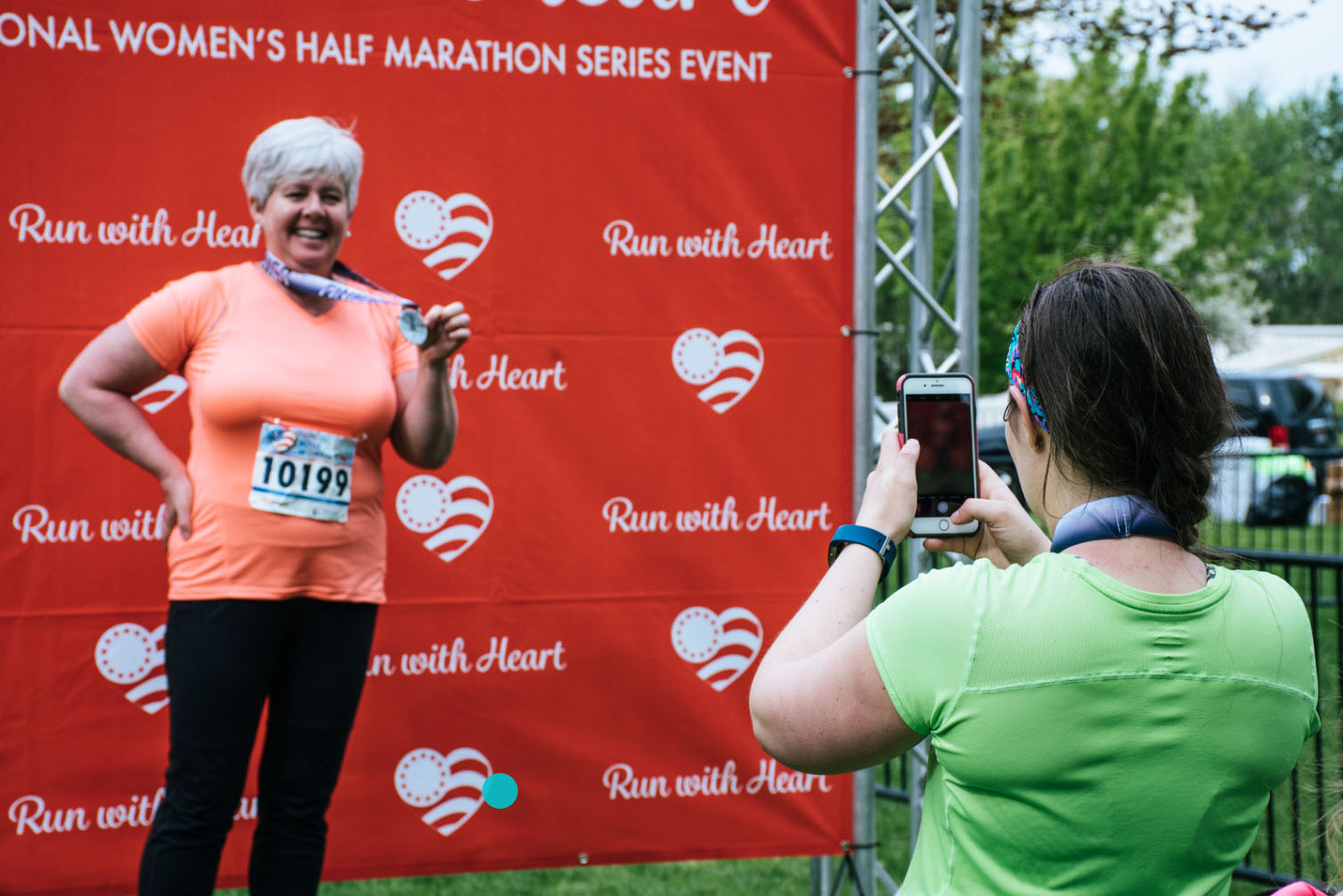
Hydration helps runners re-energize tired muscles after a marathon. Drinking the right fluids quickly gives your body what it needs for strong marathon recovery and endurance recovery.
Effects of dehydration on recovery
Dehydration slows marathon recovery and puts runners at risk for cramps and fatigue. Runners lose a lot of fluids through sweat during the race, making electrolyte replenishment critical after crossing the finish line.
Experts advise drinking about 32 ounces of water for every hour raced to avoid issues like headaches, muscle soreness, or delayed recovery drips. Fluids help flush out waste products built up in tired muscles.
Skipping post-race hydration leaves the body struggling to repair itself and rebuild energy stores. “Proper hydration with water, sports drinks, soup, and protein shakes is important for recovery,” says running coach Sarah Brown.
Aid stations provide vital support during races; using them means most runners do not need to bring extra water unless temperatures soar. Good hydration speeds up endurance recovery by keeping joints lubricated and boosting blood flow to sore muscles.
The right kind of hydration also plays a big role in helping muscles repair fast after marathon day.
Role of hydration in muscle repair and energy replenishment
Hydration plays a vital role in muscle repair and energy replenishment after a marathon. Losing fluids during the race can hamper recovery. Runners should aim to drink about 32 ounces of water for every hour raced.
This hydration boost helps restore lost fluids, which is crucial for repairing muscles and reducing soreness.
Replenishing electrolytes also aids recovery. Sports drinks, soup, or protein shakes provide essential nutrients that help rebuild glycogen stores. Consuming a small snack within the first hour after finishing the marathon kickstarts this process.
Stretching and foam rolling complement proper hydration, aiding in getting back to normal quickly without any speed work in the following weeks.
Innovative Hydration Stations for Runners
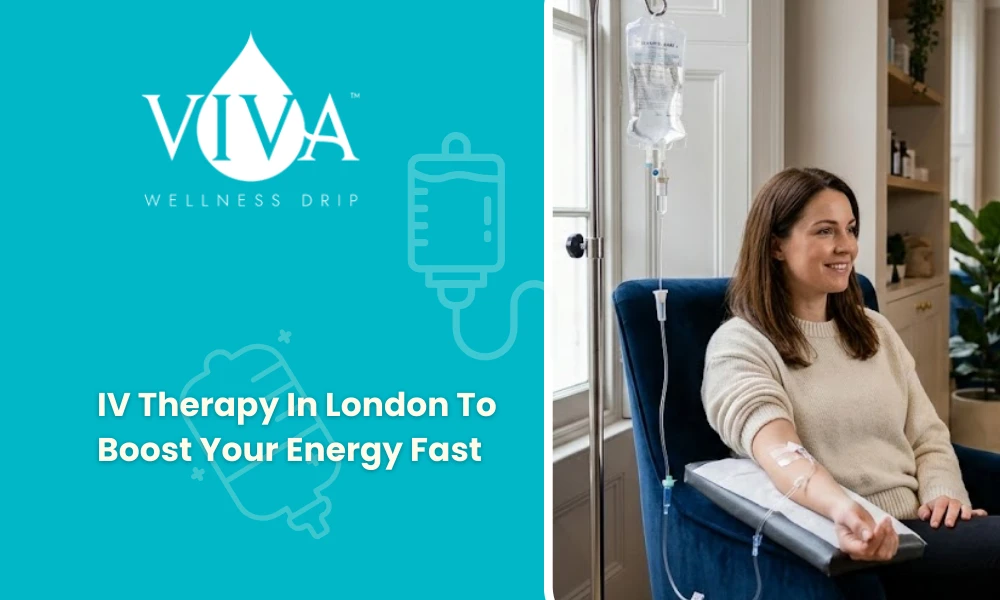
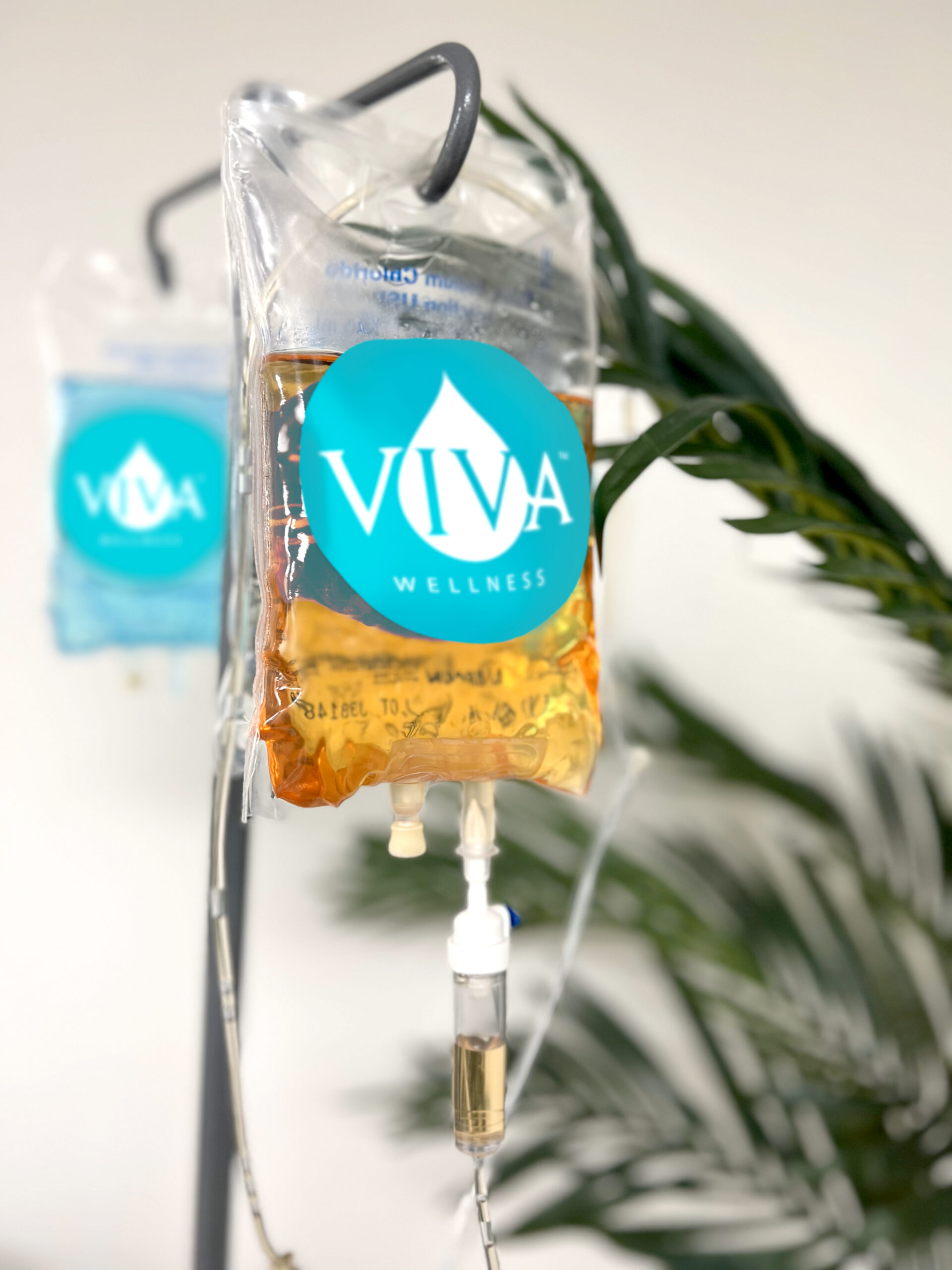
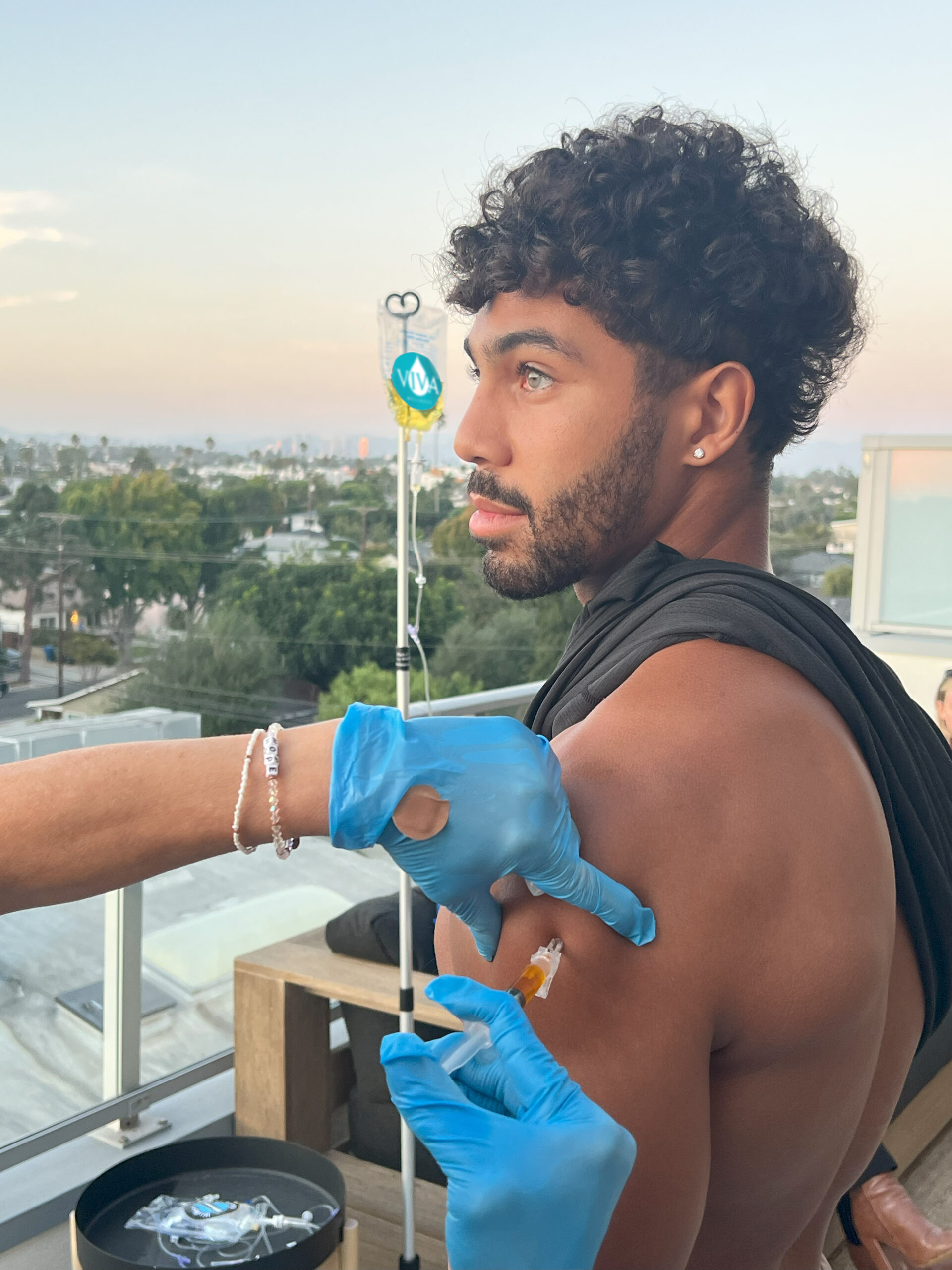
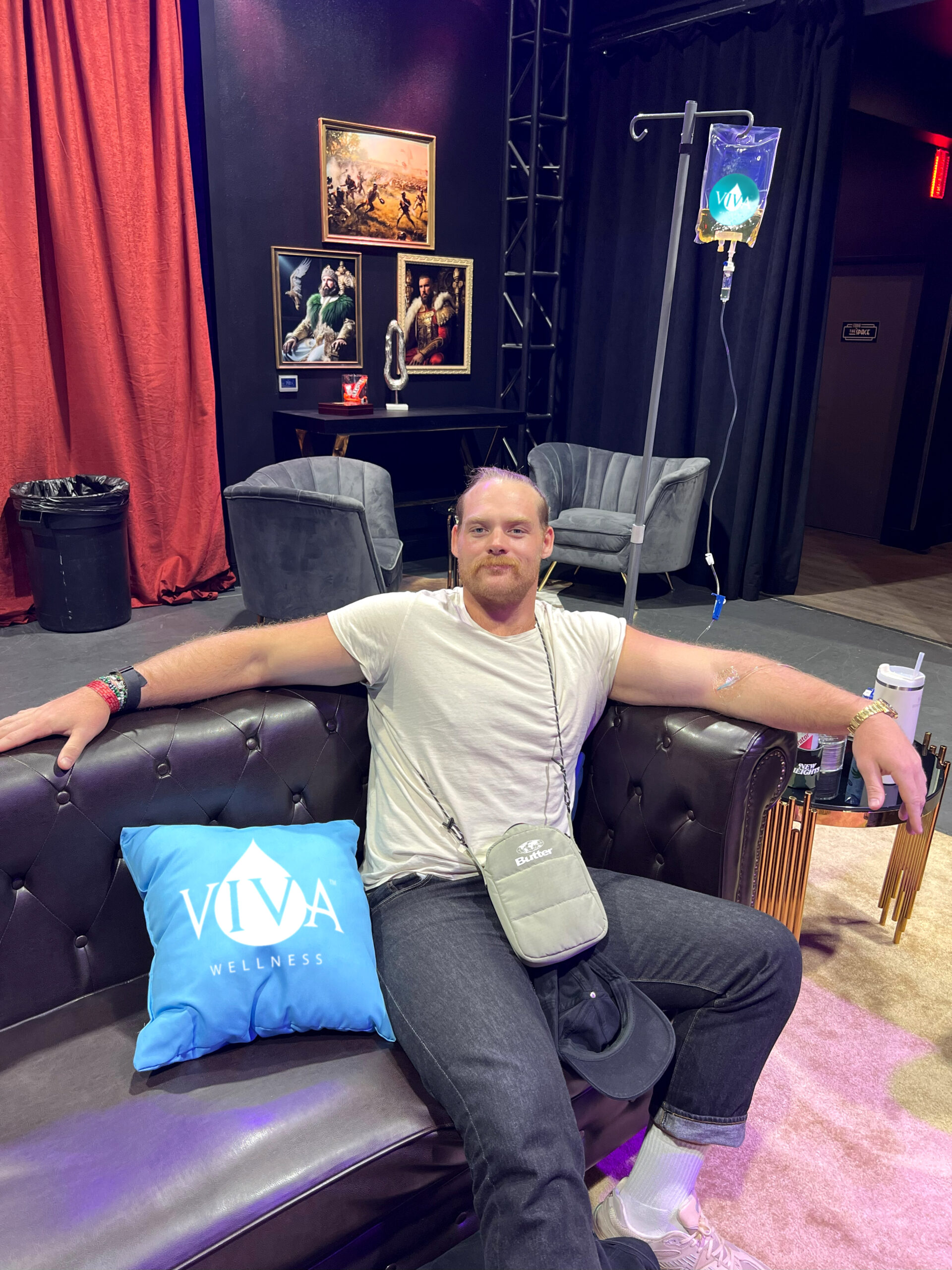
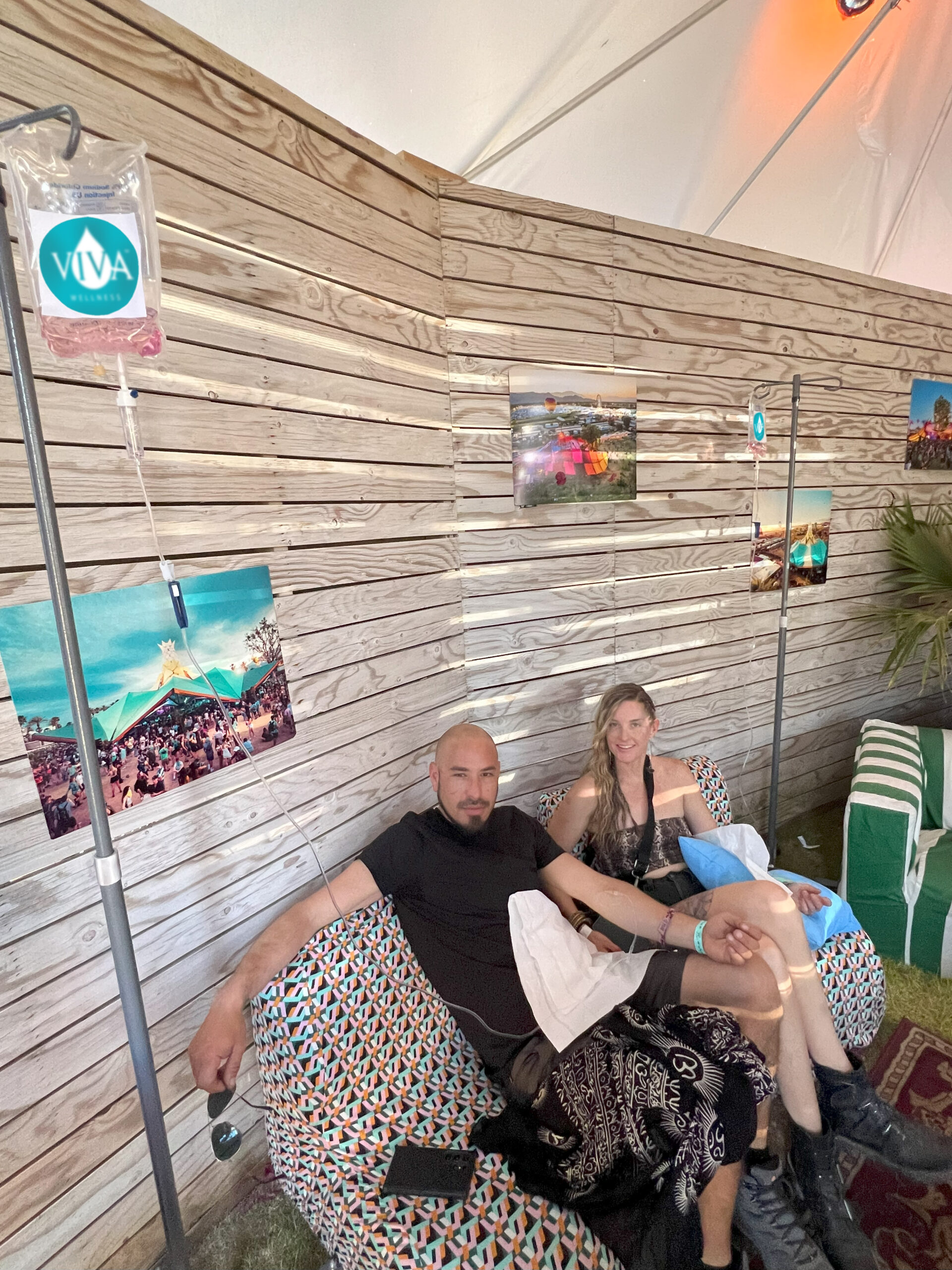
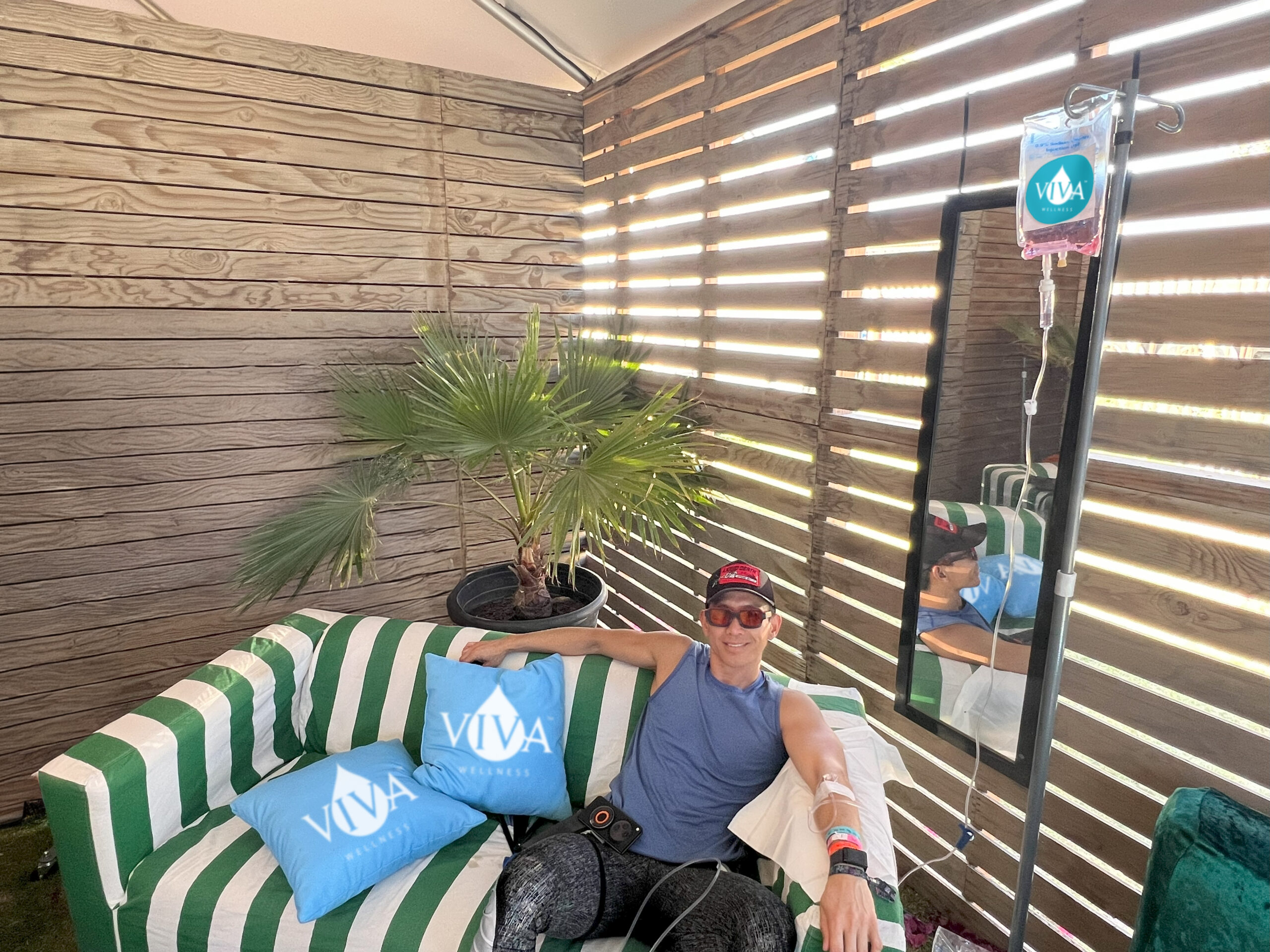
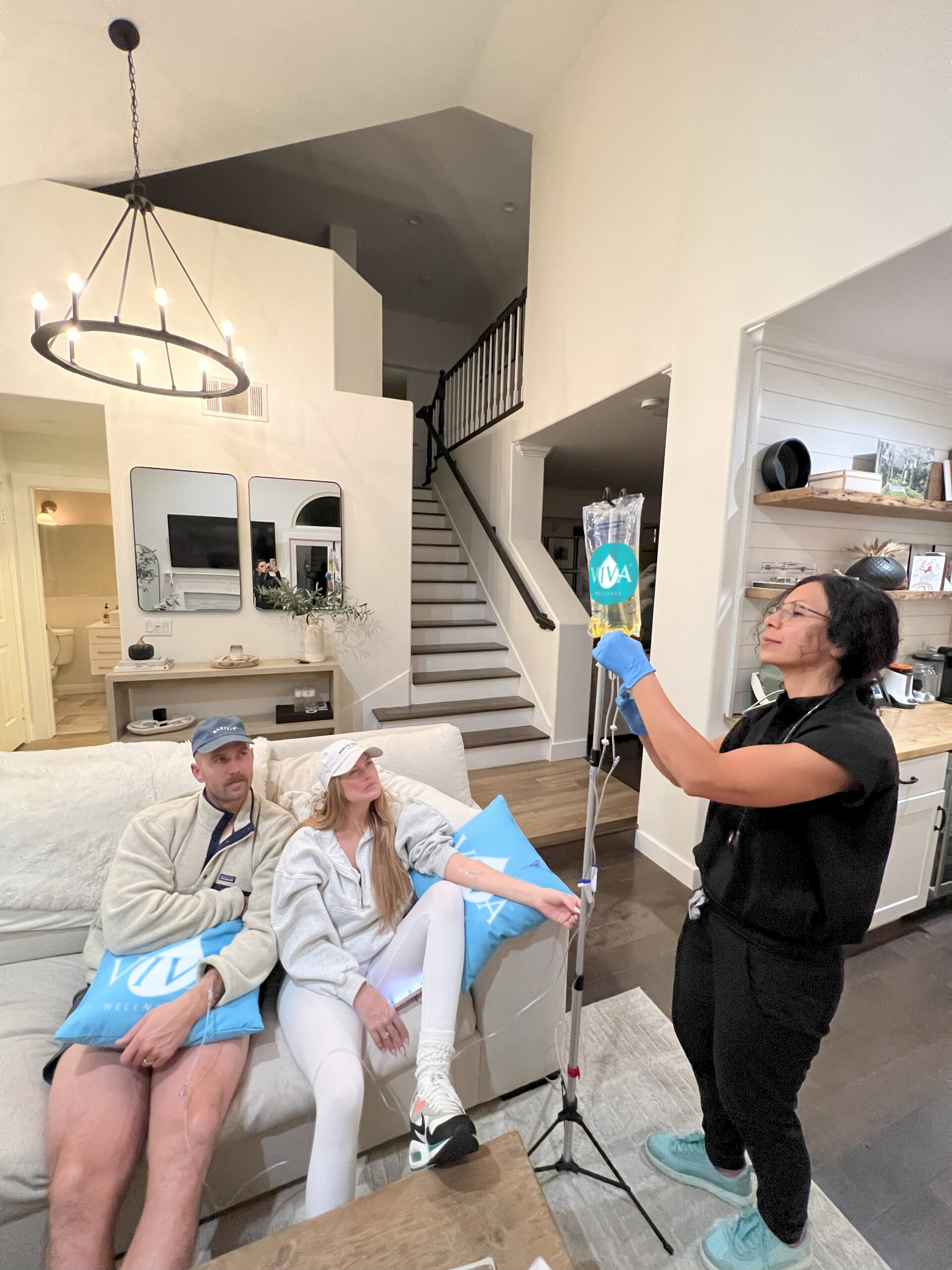
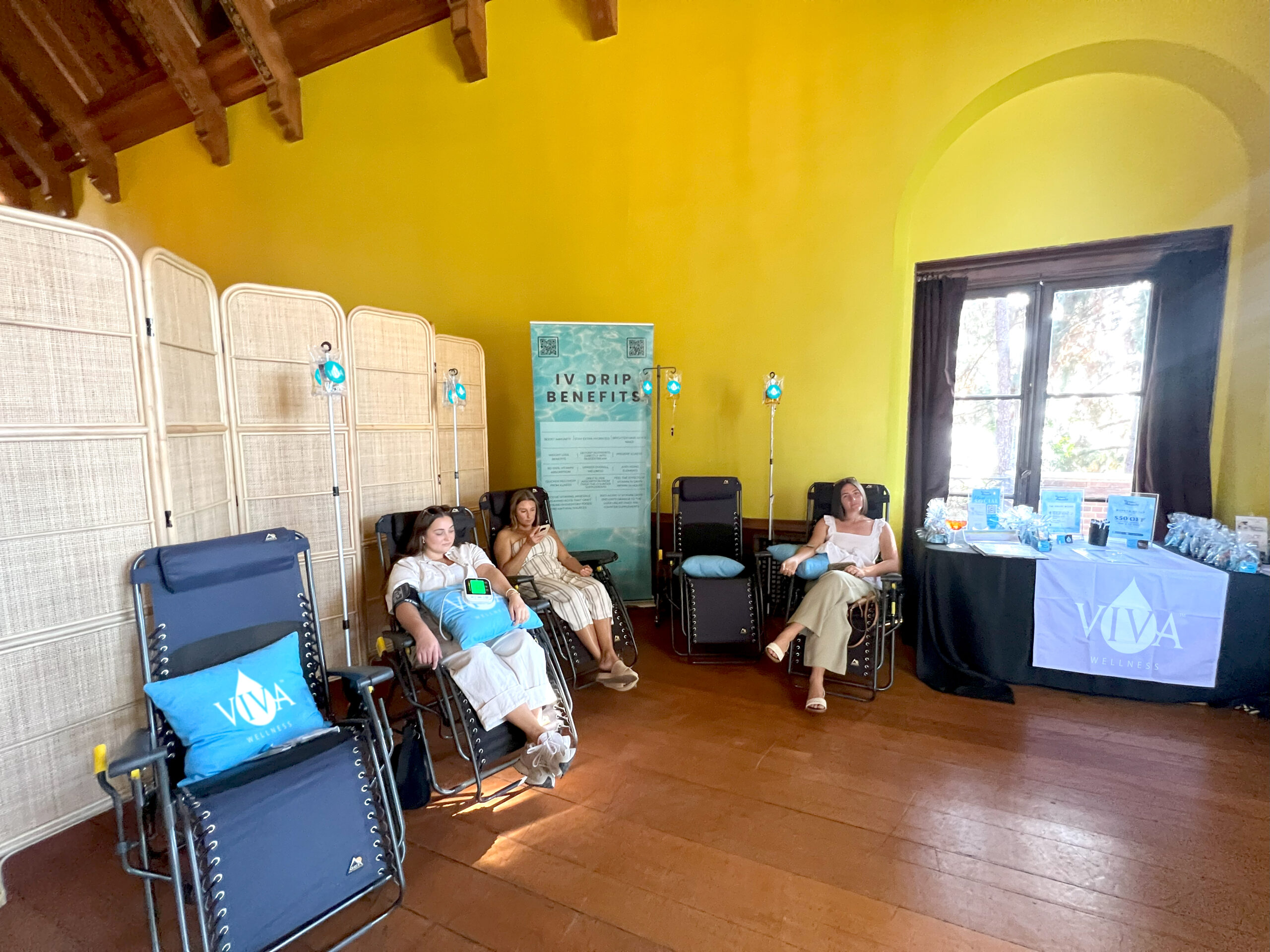
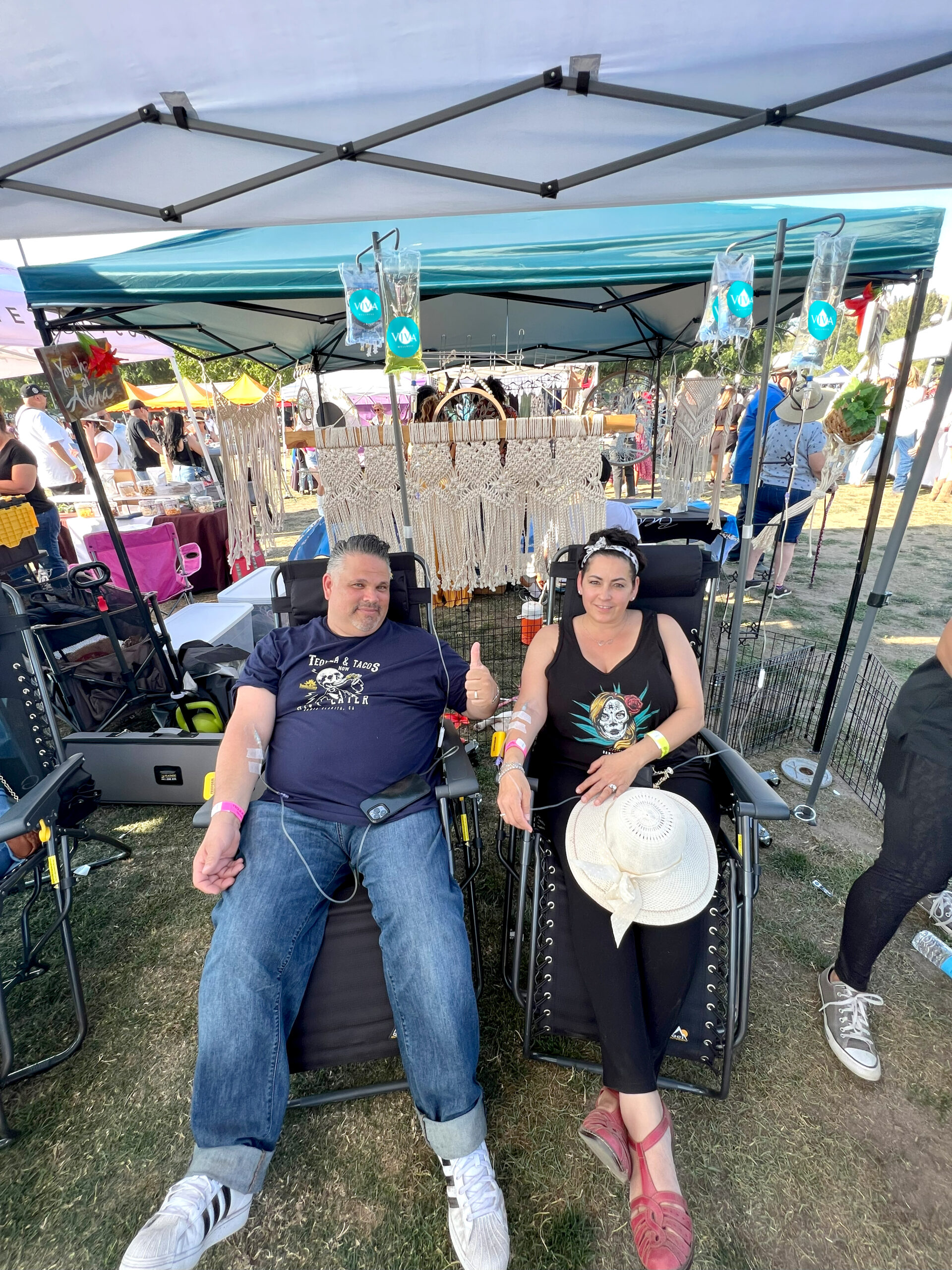
Marathon runners can find relief at innovative hydration stations that offer IV therapy. These stations deliver quick hydration and electrolytes, helping athletes recover swiftly after a grueling race.
IV hydration therapy for quick recovery
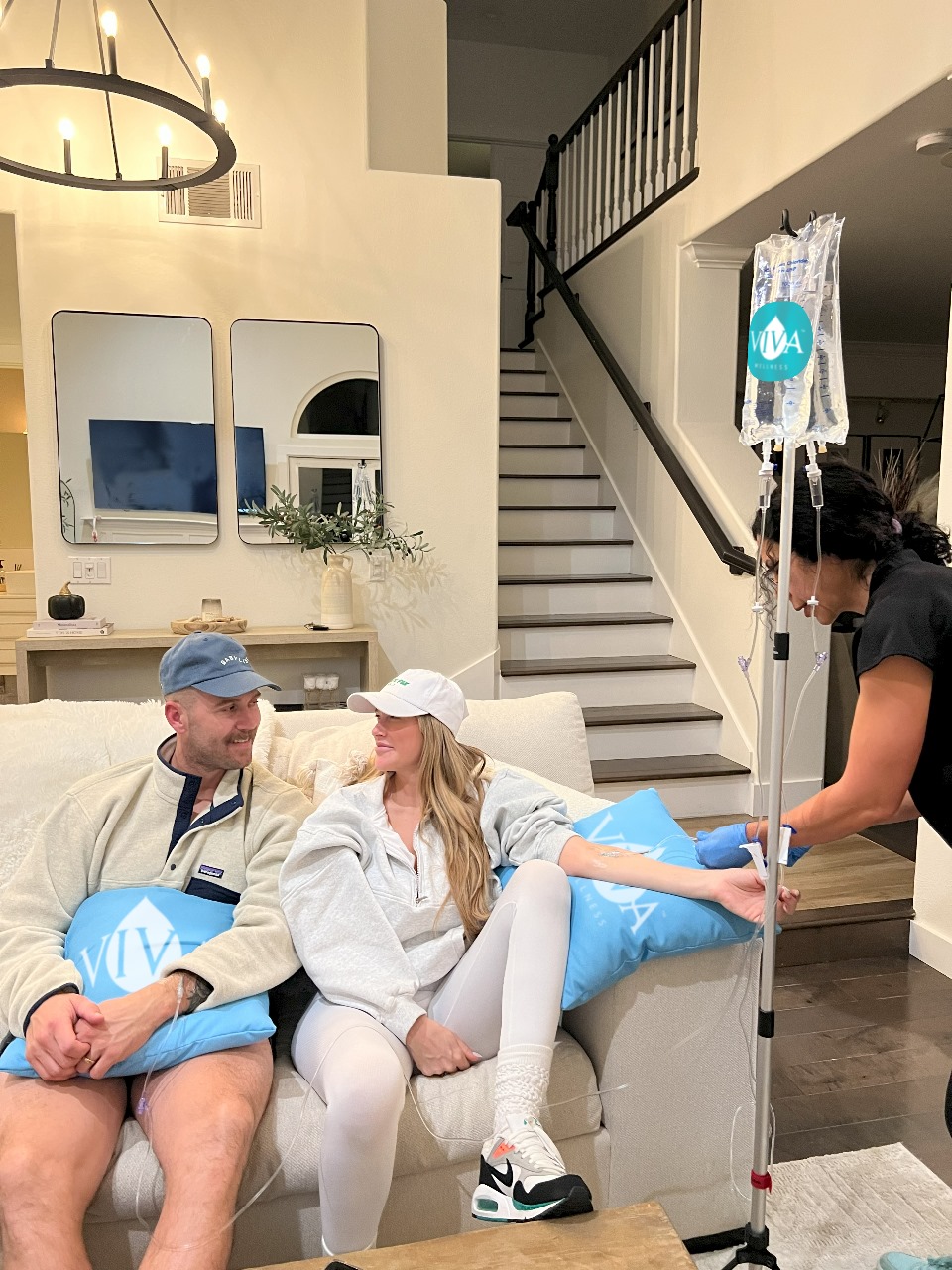
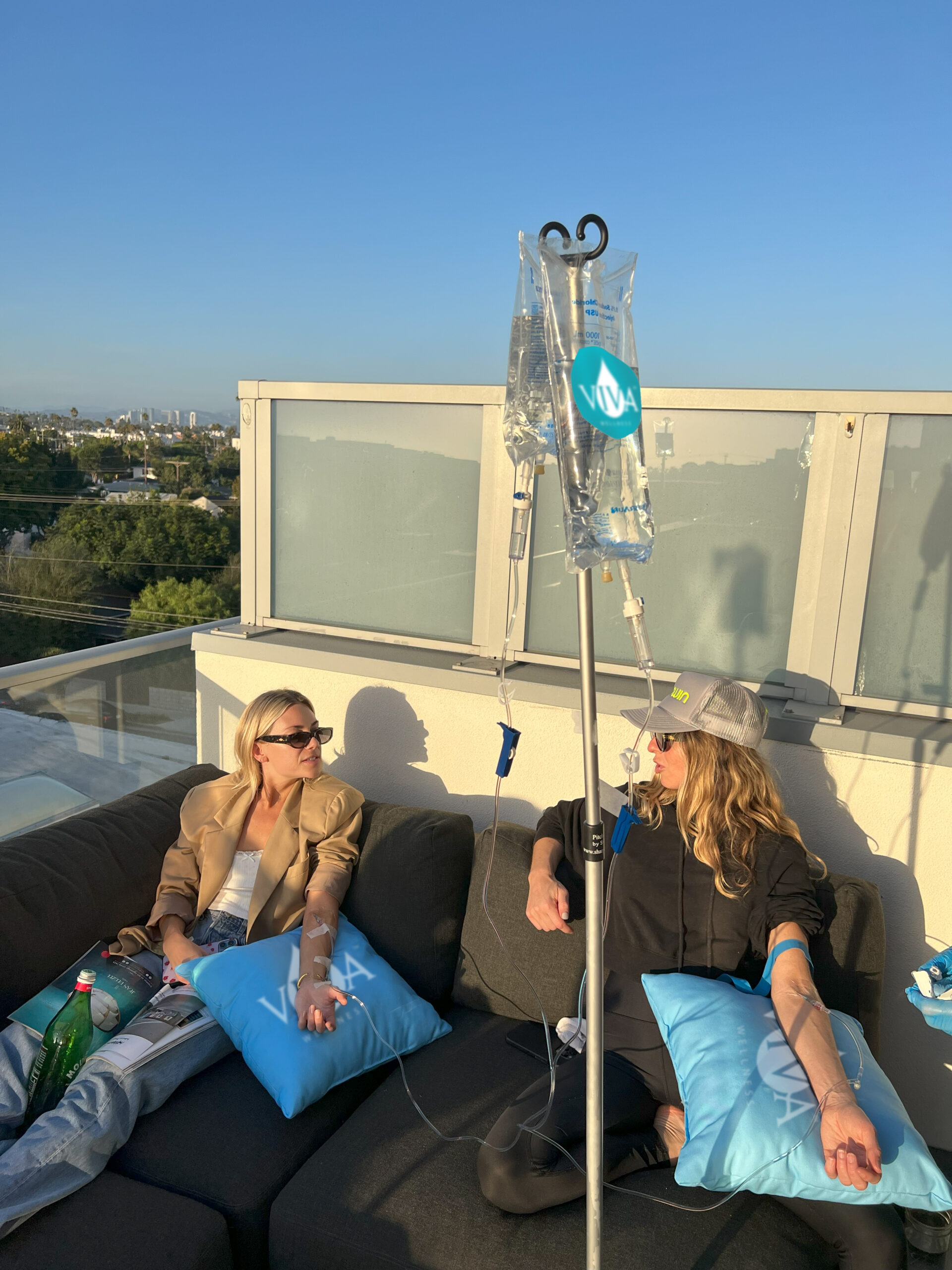
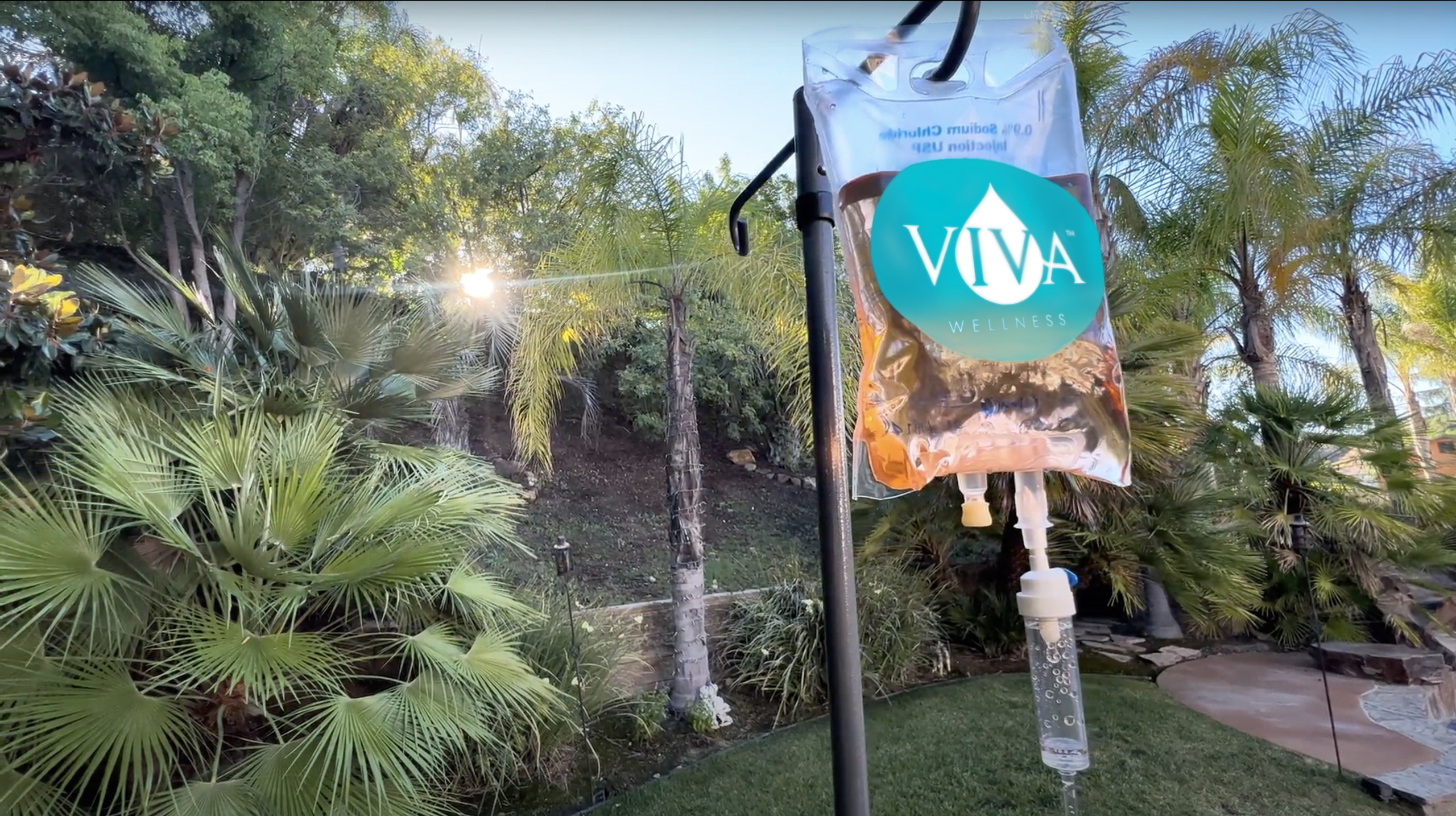
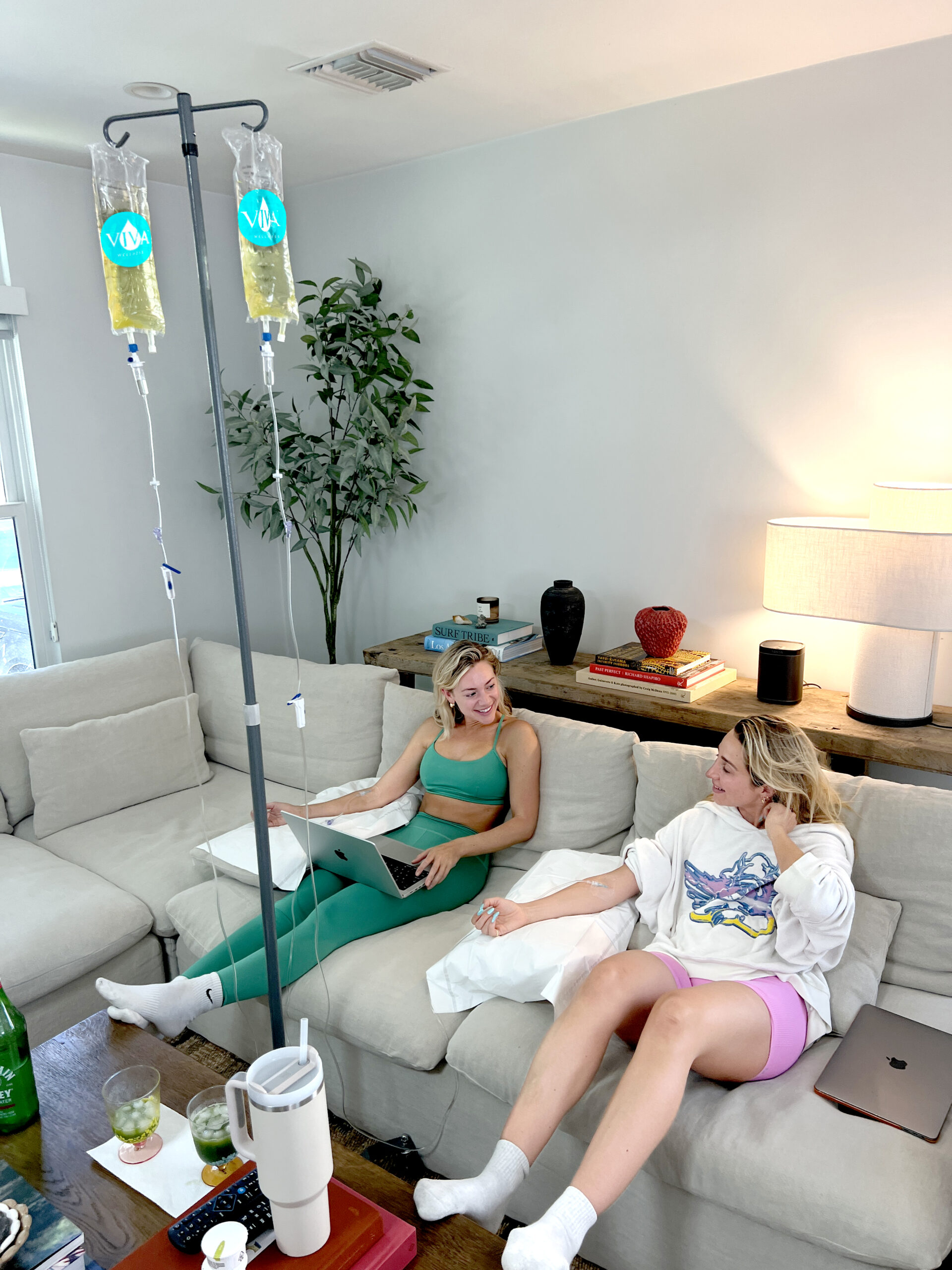
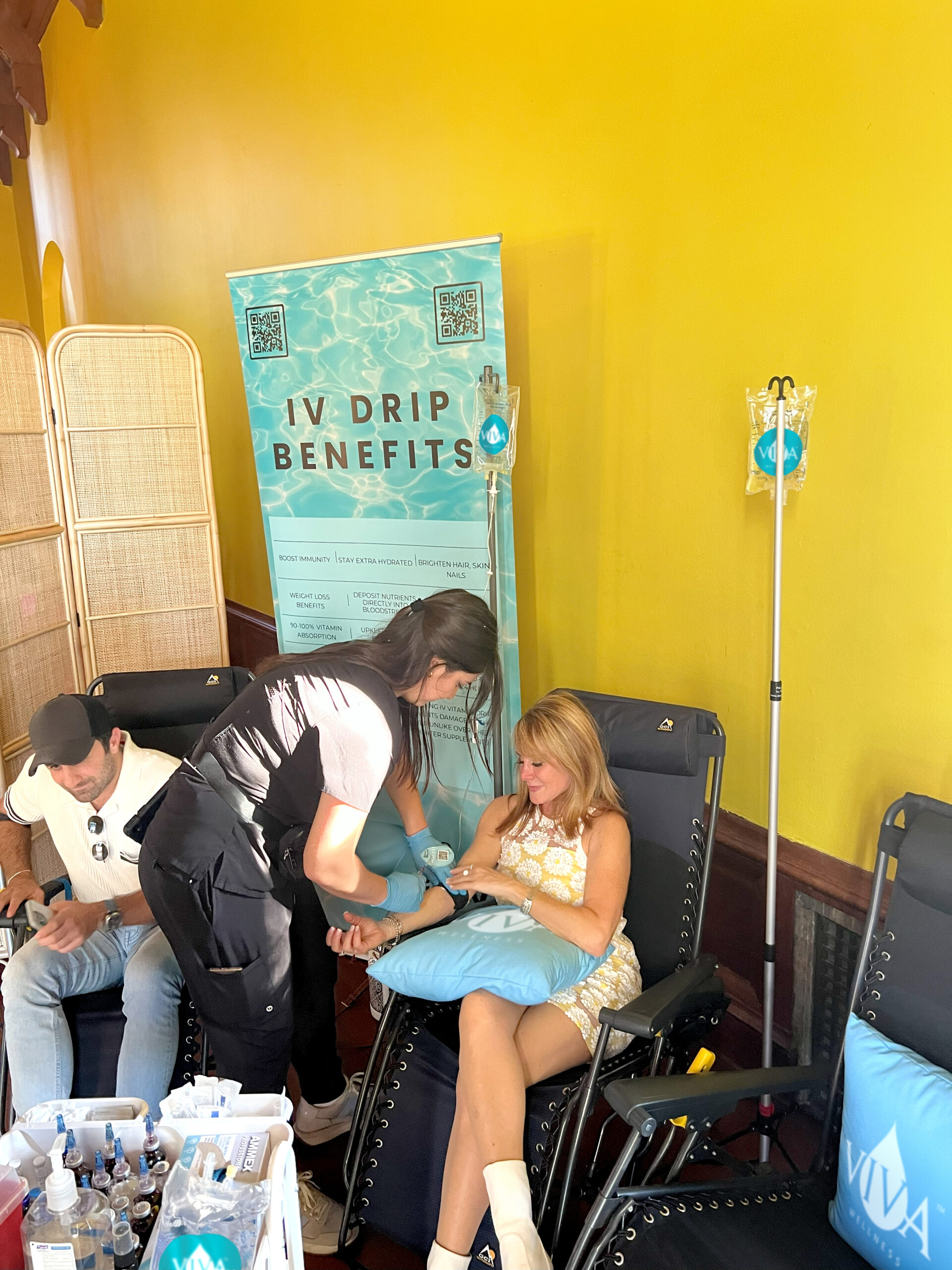
IV hydration therapy offers a fast way for runners to recover after a marathon. This treatment delivers fluids directly into the bloodstream, allowing for quick absorption. Runners can replenish lost fluids effectively and efficiently, gaining vital hydration and nutrients needed for recovery.
Studies suggest that hydration plays a crucial role in muscle repair and energy replenishment. After running 26.2 miles, many athletes may need extra help to feel their best again.
With IV therapy, they hydrate quickly while enhancing recovery time significantly, helping them get back on their feet fast.
Electrolyte replenishment solutions
IV hydration therapy effectively helps runners recover quickly. Electrolyte replenishment solutions play a crucial role in this process. After a marathon, your body loses vital salts through sweat.
This loss can lead to dehydration, cramps, and fatigue. Replenishing these electrolytes is essential for a speedy recovery.
Drink sports drinks or electrolyte-infused beverages after racing. These options can restore lost sodium and potassium levels efficiently. Consuming broth or soup also provides fluids and necessary nutrients for muscle repair and energy restoration.
Aim to drink about 32 ounces of water per hour raced to stay hydrated. Keeping up with proper hydration allows runners to bounce back faster after their race day efforts.
Benefits of Post-Race Hydration Services
Post-race hydration services speed up recovery for marathon runners. These services also help prevent fatigue and cramps, allowing athletes to bounce back quicker after their grueling effort.
Faster recovery time
Hydration plays a key role in speeding up recovery after a marathon. Proper fluid intake helps replenish lost fluids and supports muscle repair. Runners should drink about 32 ounces of water for each hour they raced.
Eating carbohydrates also aids in restoring glycogen stores, which boosts energy levels quickly.
Incorporating hydration services like IV therapy or electrolyte drinks can make a significant difference too. These methods provide quick access to hydration and nutrients that runners need for faster recovery.
Stretching and foam rolling further contribute to getting back on track after the race. Emphasizing these post-race practices ensures marathon runners feel better sooner rather than later, paving the way for next week’s activities focused on careful movement and rest.
Prevention of post-race fatigue and cramps
Post-race fatigue and cramps can hinder recovery. Proper hydration plays a key role in preventing these issues. Runners should drink about 32 ounces of water for each hour raced to replace lost fluids.
This helps muscles recover more quickly, reducing the risk of cramping.
Consuming carbohydrates immediately after the race also supports recovery. This boosts glycogen stores depleted during the marathon. Stretching and foam rolling help ease tight muscles, further preventing cramps.
Taking an easy walk post-race enhances circulation, which aids recovery as well.
Conclusion
Hydration is key for marathon runners after the race. Proper fluid intake speeds up recovery and helps prevent cramps. Innovative hydration stations offer quick access to electrolytes and IV therapy, making recovery easier.
Runners should focus on rest, stretching, and nutrition in the days following their run. Prioritizing these steps will get them back on their feet quickly and ready for their next challenge.
FAQs
1. What is a hydration station for marathon runners after a race?
A hydration station is a place where distance athletes can drink fluids and restore electrolytes lost during the event. It helps speed up recovery by giving quick access to water, sports drinks, and snacks.
2. How do hydration stations help with day-after-race recovery?
Hydration stations provide essential fluids and nutrients that repair muscle tissue and reduce fatigue. They also help prevent dehydration, which often delays healing in long-distance racers.
3. What should marathon runners look for at post-race hydration stations?
Runners should seek out clean water, electrolyte-rich beverages like sports drinks, and light snacks such as fruit or granola bars. These items replace what was lost during the run.
4. Why is fast rehydration important for marathoners after finishing a race?
Fast rehydration restores fluid balance in the body; this supports blood flow to muscles and organs so runners recover faster from soreness or cramps experienced after intense physical activity.