Set between the towering Andes Mountains and Chile’s fertile valleys, Santiago, Chile is a city where geography shapes culture in deeply visible ways. Nowhere is this more evident than in its food scene and street art, two expressions that reveal Santiago’s evolving identity, social history, and creative energy. Markets, murals, neighborhood eateries, and open-air galleries combine to create an urban experience rooted in tradition yet constantly reimagined.
This guide explores how Santiago’s food culture and street art intersect—connecting Chilean cuisine, local markets, and public art to broader conversations around identity, wellness, and mindful travel.
Key Takeaways
- Santiago’s food and street art reflect Chile’s geography, history, and social change
- Local markets and street food offer insight into everyday Chilean life
- Neighborhoods like Bellavista anchor Santiago’s creative culture
- Culinary tourism and urban art coexist as accessible cultural experiences
- Mindful exploration supports both personal wellness and local communities
Santiago, Chile: Geography on the Plate
The physical landscape surrounding Santiago directly influences Chilean cuisine culture. Snowmelt from the Andes irrigates farmland, while coastal access supplies seafood. This diversity appears in daily meals—from hearty stews to fresh produce-heavy dishes.
Unlike globalized food capitals, Santiago’s food scene often emphasizes simplicity and seasonality. Staples like empanadas, pastel de choclo, and completos (Chilean hot dogs) are deeply embedded in local routines rather than curated for tourists.
For travelers interested in culinary tourism in Chile, understanding this relationship between land and plate is essential.
Chilean Street Food as Cultural Expression
Chilean street food is less about novelty and more about familiarity. Vendors serve quick, affordable meals that sustain city life—from morning commuters to late-night revelers.
Common street foods include:
- Empanadas filled with beef, cheese, or seafood
- Sopaipillas (fried pumpkin dough) often sold in colder months
- Completo italiano, topped with avocado, tomato, and mayonnaise
These foods are often consumed standing, walking, or chatting—reinforcing the role of food as a social connector. For wellness-minded travelers, street food also offers insight into how nourishment fits naturally into daily movement rather than structured dining.
Santiago Local Markets: Where Food and Community Meet
Markets play a central role in Santiago’s local culture. Places like La Vega Central and Mercado Central function as culinary hubs where farmers, fishmongers, and cooks converge.
Here, visitors encounter:
- Fresh fruits and vegetables grown in Chile’s central valleys
- Seafood from the Pacific coast
- Traditional ingredients used in home cooking
These markets highlight the importance of food accessibility and freshness—principles increasingly associated with wellness-focused lifestyles. Observing market rhythms provides a grounded alternative to restaurant-centric travel.
Santiago Street Art: The City as Canvas
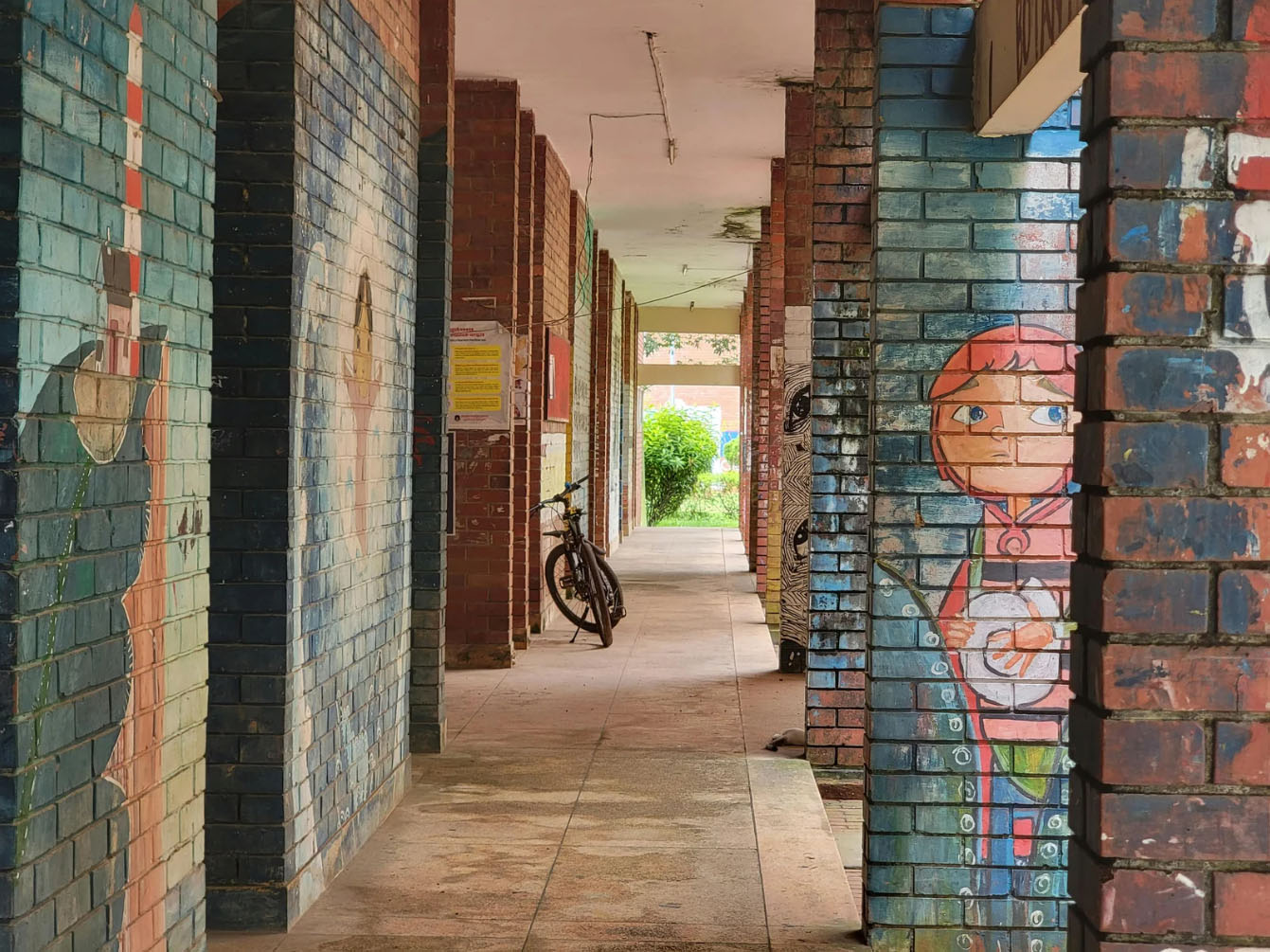
Parallel to its culinary traditions, Santiago street art offers a visual narrative of Chile’s past and present. Murals across the city reflect political history, indigenous identity, social movements, and everyday life.
Unlike commercial graffiti districts, Santiago’s street art often functions as public storytelling—accessible, reflective, and deeply contextual.
Bellavista Neighborhood: Art, Food, and Nightlife
The Bellavista neighborhood stands at the intersection of urban art, dining, and cultural life. Known for its colorful murals, theaters, and restaurants, Bellavista represents Santiago’s creative pulse.
Here, visitors find:
- Independent galleries and street murals
- Casual eateries serving traditional and modern Chilean dishes
- Evening activity that blends art, conversation, and music
Bellavista’s walkability supports wellness-friendly exploration, allowing travelers to move between experiences without relying on transport.
Urban Art Chile: Public Space as Dialogue
Across Santiago, urban art in Chile reflects collective memory and contemporary dialogue. Murals often address themes such as:
- Human rights and political history
- Indigenous Mapuche identity
- Environmental awareness
These visual elements transform city walls into spaces of reflection, encouraging slow observation rather than passive consumption. For mindful travelers, this form of engagement aligns with wellness values centered on awareness and presence.
Food Tours Santiago: Structured Exploration
For visitors seeking context-rich experiences, food tours in Santiago offer guided access to markets, street food vendors, and traditional eateries. These tours often combine walking, tasting, and storytelling—making them accessible without overwhelming schedules.
From a wellness perspective, walking-based food tours encourage moderation, movement, and cultural learning rather than excess.
Culinary Tourism Chile: Beyond Restaurants
Culinary tourism in Santiago is not limited to fine dining. It includes:
- Neighborhood bakeries
- Family-run lunch counters
- Seasonal festivals centered on food
This decentralized approach allows travelers to explore at their own pace, supporting local economies while maintaining balance.
Street Art and Wellness: Visual Rest in Urban Space
Exposure to art has measurable effects on stress reduction and mood regulation. Santiago’s murals—integrated into daily streetscapes—offer moments of visual pause amid urban movement.
This blend of creativity and walkability supports a form of urban wellness, where exploration becomes restorative rather than draining.
Santiago Travel Guide: Navigating Mindfully
To experience Santiago’s food and art scenes fully:
- Explore neighborhoods on foot
- Visit markets earlier in the day
- Balance rich meals with lighter options
- Schedule rest between high-stimulation areas
These strategies allow travelers to engage deeply without fatigue, aligning cultural exploration with personal well-being.
Conclusion
In Santiago, Chile, food and street art function as parallel languages—one nourishing the body, the other engaging the mind. From local markets and street food to murals and neighborhood galleries, the city offers an immersive experience shaped by geography, history, and creativity. Approached mindfully, Santiago’s culinary and urban art landscapes become more than attractions; they form a balanced, walkable journey that reflects how culture, movement, and nourishment intersect in everyday life.
FAQs
1. What is Santiago known for food-wise?
Santiago is known for traditional Chilean dishes, fresh produce, seafood, and accessible street food rooted in local culture.
2. Where can I see street art in Santiago?
Neighborhoods like Bellavista and Barrio Yungay feature prominent murals and urban art installations.
3. Are food tours in Santiago worth it?
Yes, food tours provide cultural context, local insight, and structured exploration of markets and street food.
4. Is Santiago walkable for travelers?
Many central neighborhoods are walkable, making it easier to explore food and art scenes at a relaxed pace.
5. How does food relate to wellness while traveling?
Balanced meals, hydration, and mindful pacing help travelers sustain energy and enjoy cultural experiences more fully.