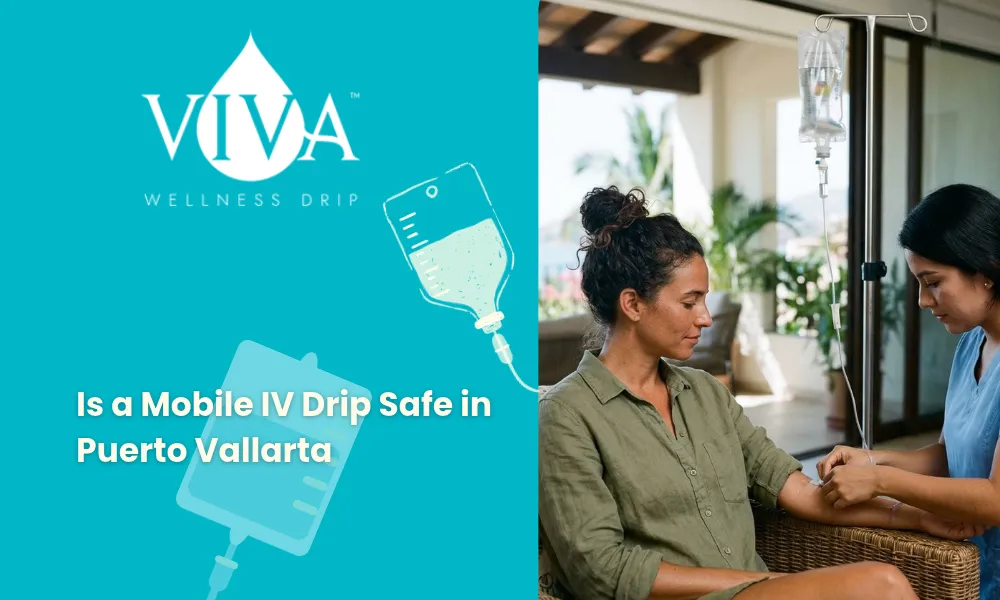
A mobile IV drip in Puerto Vallarta can be safe when a licensed nurse places the line, a physician stands behind the order, and you are screened first. It is not safe simply because it is convenient. Puerto Vallarta rewards the adventurous, with humid heat on the Malecón, long days on Banda Bay, street tacos and sunset margaritas. It also tests the stomach and the water bottle. I have written about wellness services for over ten years, and the safety questions below come up more than any others. Six answers follow, with support from Viva Wellness Drip.
What to Check Before You Book
Start with credentials, because that is where safety begins. Mexican health professionals are identified by a cédula profesional, a registered professional license number, and you can ask any provider to share theirs along with the physician’s. I could not find a rule that clearly spells out how mobile IV visits to hotels or rental homes are regulated, so I will not claim one exists. Puerto Vallarta sits in the state of Jalisco, so confirm current expectations with local health authorities. Also ask who the medical director is, who prepared the bags, and what happens if you react badly.
Why Mobile Delivery Suits Puerto Vallarta
Puerto Vallarta stretches between the Hotel Zone, the Romantic Zone, Marina Vallarta and the beach towns beyond. Cobblestones, steep streets and midday heat make clinic hopping tiring when you are already unwell. A nurse who comes to you, as the Puerto Vallarta team does, lets you rest in a cool room near a bathroom. That matters most with stomach illness, when the last thing you want is a taxi ride. It also keeps your belongings, your medications and your own bathroom within reach, which makes the visit calmer and easier to supervise.
1. Who Is Allowed to Place the IV?
Best for
Anyone booking from abroad who cannot easily look up a local provider.
What we have learned
A registered nurse should place the line under a physician’s patient-specific order. Ask for names and cédula numbers, and expect a straight answer. Viva Wellness Drip describes sessions as administered by registered nurses and overseen by a medical director. Hesitation or vague replies are your cue to cancel. Safety starts with accountability, and accountability has names attached.
2. What Risks Come With Any IV?
Best for
First-timers who want an honest picture before agreeing.
What we have learned
Cleveland Clinic describes IV rehydration as common and generally safe, while listing infiltration, where fluid enters tissue around the vein, phlebitis, where the vein swells, and infection among possible complications. Clean technique and attentive monitoring reduce these risks. They do not remove them. Ask the nurse to explain what the site should feel like during the infusion.
3. Is It Safe With a Stomach Illness?
Best for
Travelers dealing with vomiting, diarrhea and weakness after a rich meal or contaminated water.
What we have learned
The CDC says travelers’ diarrhea frequently affects visitors to Mexico and that tap water is not safe to drink. The Stomach Flu drip targets those symptoms, but blood in stool, a high fever, severe pain or symptoms that persist need a clinician first. Sip safe, sealed water in the meantime, and avoid ice of unknown origin.
4. What Is Actually in the Bag?
Best for
People who want hydration without surprises.
What we have learned
Hydration drips usually use isotonic fluids such as normal saline or lactated Ringer’s, which carry electrolytes. The Hydro Boost drip is built around that purpose. Ask whether bags are pharmacy-prepared or compounded, and treat large claims about vitamin blends, glutathione or NAD with caution, since evidence is mixed. A plain hydration bag is a modest intervention, and honest providers describe it that way.
5. Who Should Not Get a Mobile IV?
Best for
Anyone with a heart, kidney or liver condition, pregnancy, or a complex medication list.
What we have learned
Extra fluid can strain a heart or kidneys, and some conditions call for hospital-level care. Disclose everything, including supplements. A good provider will sometimes decline to treat, and that refusal is a sign of quality, not inconvenience. Bring a list of medications to the visit.
6. What Should Happen Before, During and After?
Best for
Anyone who wants a clear sense of a safe visit from start to finish.
What we have learned
Before the needle, expect questions, vital signs and a review of allergies. During the visit, the nurse should stay close and watch the site. Afterward, you should hear what to watch for, such as swelling, redness or pain, and whom to call. Keep the nurse’s contact details handy overnight. Visits usually run 30 to 45 minutes.
Quick Comparison
| Question | Safe Sign | Warning Sign | Who to Ask |
|---|---|---|---|
| Who places the IV? | Registered nurse | Vague credentials | Provider |
| Common risks | Clean technique | Dismissed concerns | Nurse |
| Stomach illness | Screening first | Ignoring red flags | Clinician |
| Bag contents | Clear ingredients | Miracle claims | Medical director |
| Who should skip | Honest screening | Treats everyone | Your doctor |
| Aftercare | Written guidance | No follow-up | Provider |
Professional Perspective: The safest providers are the ones who ask you more questions than you ask them. If the intake feels thin, pause the visit. Safety is a process, not a promise, and you are allowed to say no at any point.
Choosing the Right Option in Puerto Vallarta
A safe mobile IV is one where credentials, screening and honest limits are on the table before the bag is hung. Look over the services page, then book with Viva Wellness Drip and our Puerto Vallarta team will bring a screened, nurse-administered visit to your hotel or rental.
Frequently Asked Questions
Is IV therapy legal in Mexico?
Mexican professionals practice with a registered cédula profesional, but I could not find clear public guidance on mobile IV services in particular. Confirm the nurse and physician credentials and check with local health authorities.
Can I get an IV if I have traveler’s diarrhea?
Often yes, when a clinician screens you first. Severe pain, blood in stool, high fever or persistent vomiting call for medical evaluation before any drip.
What if I have an allergic reaction?
Reactions are uncommon but possible. Tell the nurse about allergies beforehand, and ask what the emergency plan is. Stop the infusion and seek urgent care if you feel breathless or swollen.
Does an IV replace drinking water?
No. An IV can supplement fluids, but oral hydration, rest and food remain the foundation of recovery.
How long should I wait after landing?
There is no fixed rule. Many travelers wait until they have checked in and eaten something, then book the same day if they still feel depleted.