Mexico City has a variable most other markets do not: you are living at 2,240 metres. Visitors underestimate what that does — increased respiratory water loss, a mild diuretic effect in the first days, and a genuine adjustment period that people mistake for jet lag or bad tacos.
Rather than rank businesses, which ages badly and helps nobody, I have broken the CDMX market into the six service models you will actually encounter. Each is the best option for someone specific.
1. At-Home and Hotel Mobile Services
Best for: altitude adjustment, illness, and anyone in traffic-heavy zones
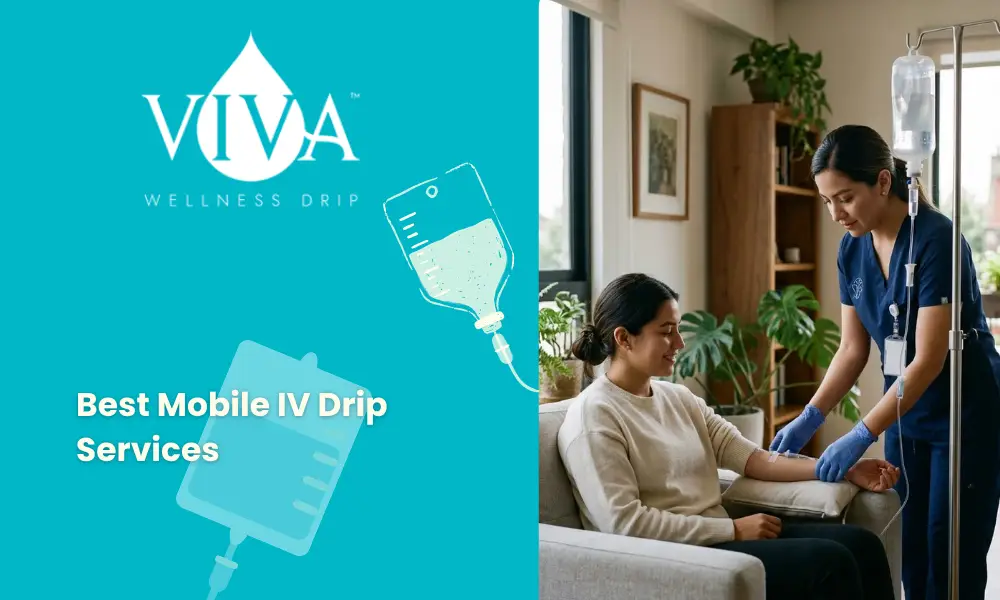
A licensed nurse comes to your apartment, hotel, or office in Polanco, Roma, Condesa, Santa Fe, or wherever you are. Given that crossing this city can take ninety minutes at the wrong hour, removing the journey is the main value proposition.
We serve the Mexico City area across the central and western zones with licensed nurses working under physician-directed protocols.
2. Private Hospital Outpatient Services
Best for: prescribed and complex infusions
CDMX’s private hospital network is genuinely strong, and outpatient infusion there is the right route for anything diagnosed, prescribed, or complicated. This is not wellness territory and should not be treated as such.
3. Wellness Clinics and Drip Studios
Best for: routine maintenance at a fixed location
Storefront clinics concentrated in Polanco, Roma Norte, and Condesa offer lower per-session pricing in a shared setting. Convenient if you live nearby and feel well enough to travel.
4. Med Spas and Aesthetic Practices
Best for: bundled aesthetic and wellness appointments
Common in the same neighbourhoods, and quality varies widely. Ask who directs medically and what licence the person placing the line holds. That question sorts this category quickly.
5. Corporate and Executive Health Services
Best for: business travellers and offices
Santa Fe and Reforma support a real corporate wellness market, with providers running on-site sessions for teams and visiting executives. Useful for anyone flying in for a short, demanding trip.
6. Concierge Medical Practices
Best for: expatriates and residents wanting continuity
Membership-based practices offering house calls with physician assessment alongside infusion. Higher cost, direct medical oversight, useful if you live here.
Comparing the Six Models
| Model | Cost | Speed | Privacy | Best Use |
| Mobile at home | $$$ | Same day | High | Altitude, illness, convenience |
| Private hospital | $$$$ | Days | Medium | Prescribed therapy |
| Drip studio | $$ | Walk-in | Low | Routine top-ups |
| Med spa | Booked | Medium | Paired treatments | |
| Corporate service | $$$ | Scheduled | Medium | Business travel, teams |
| Concierge practice | $$$$ | Same day | High | Ongoing care |
Pro Tip: Do not book an infusion on your arrival day expecting it to eliminate altitude adjustment. It will not. What genuinely helps in the first 48 hours in CDMX is unglamorous: extra water, reduced alcohol, lighter physical activity, and patience. A drip on day two or three, when depletion has actually accumulated, does considerably more than one on day one. The CDC’s travellers’ health guidance on high-altitude travel explains why the adjustment period cannot be short-circuited.
What to Ask Any CDMX Provider
Four questions, in any language
Who is the supervising physician? What licence does the attending clinician hold? Where were the solutions prepared? What is the total price?
Mexican regulation requires physician direction for infusion therapy, and reputable operators answer all four readily.
Choosing a Formulation for Altitude and Air
What actually helps here
For general depletion and adjustment, a well-documented balanced formulation such as the Myers’ Cocktail is a sensible starting point — it has been in clinical use since the 1970s and its components are fully published. For fatigue during a demanding work trip, a B-vitamin forward option like Energy Boost is the common request, though the NIH fact sheet on vitamin B12 is a useful reality check on what repletion does for someone with normal levels.
Getting Started
Match the model to your situation. Prescribed care goes to a hospital. Routine maintenance goes to a studio. Altitude adjustment, illness, and anything where crossing the city sounds unbearable goes mobile.
For that last group, our nurses serve Mexico City with published protocols across our full infusion menu. If you are arriving soon and want a recommendation for your itinerary, ask us before you land rather than on the day you feel awful.
Frequently Asked Questions
Does altitude in Mexico City cause dehydration?
It contributes. Lower air pressure and drier air increase respiratory fluid loss, and a mild diuretic response is common in the first days, which is why visitors often feel depleted despite normal drinking.
Is IV therapy regulated in Mexico?
Yes. Infusion therapy must be administered by appropriately licensed medical personnel under physician direction. Ask any provider to confirm both before booking.
Can I get an IV drip at a Mexico City hotel?
Yes. Hotels and short-term rentals across Polanco, Roma, Condesa, Santa Fe, and the surrounding areas are standard service addresses.
Will an IV drip cure altitude sickness?
No. It can support hydration during adjustment, but genuine altitude illness requires rest, gradual acclimatisation, and medical evaluation if symptoms are severe.
How quickly can a nurse reach me in CDMX?
Typically within a few hours, though traffic across the city is the governing variable. Ask for a two-hour window and factor in the time of day.