The best way to get IV therapy in Mexico City is to treat it as a medical service first and a convenience second: verify the nurse and physician, choose a drip for a clear reason, and give your body time to adjust. The CDC notes that Mexico City sits over a mile high, about 2,250 meters, which surprises many arrivals. Add a long flight, dry air and days of walking between museums and taquerías, and fatigue is no mystery. After a decade of writing about wellness, I have seen travelers expect an IV to fix altitude. It will not. These six steps explain what it can do, with support from Viva Wellness Drip.
What to Check Before You Book
Start by confirming credentials. In Mexico, health professionals are identified by a cédula profesional, a registered professional license number, so ask for the nurse’s and the physician’s. I could not find a rule that clearly describes how nurse-led IV visits to hotels or apartments are regulated, and I will not guess. Check with local health authorities in Mexico City, and ask who holds the medical order, who prepares the bags and what the plan is if you feel unwell. A trustworthy team answers calmly and in writing, and does not mind if you take a day to decide.
Why Mobile Delivery Suits Mexico City
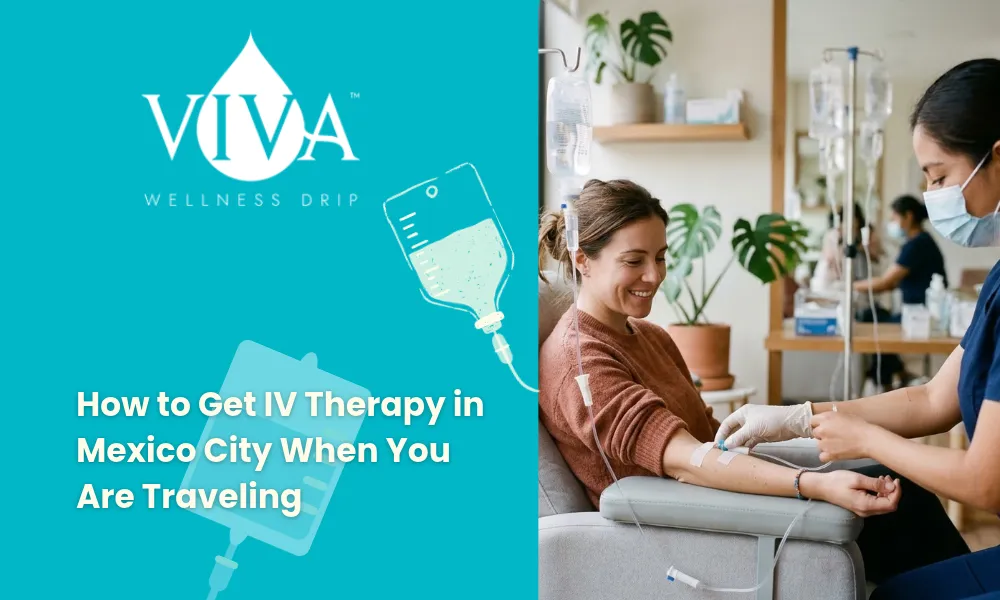
Mexico City is enormous. Moving between Roma, Condesa, Polanco and the historic center can take far longer than the map suggests, and arriving breathless at a clinic is a poor start. A nurse who visits your apartment or hotel, as the Mexico City team does, lets you rest at altitude instead of fighting traffic. It also suits business travelers who land, work and fly out again with little spare time. Staying in matters on a first day at altitude, when stairs, hills and crowded metro platforms feel harder than usual.
1. Give Yourself Time to Adjust First
Best for
Anyone arriving from near sea level, especially after a long flight.
What we have learned
The CDC’s altitude guidance stresses gradual acclimatization, mild exertion for the first 48 hours and avoiding alcohol for the first 48 hours. Mexico City sits a little below the 2,450 meters where the CDC flags unacclimatized travelers as at risk, but the CDC adds that some people feel it lower down. Rest first, and book an IV only if you remain depleted. Patience is the cheapest remedy available.
2. Know What an IV Can and Cannot Do
Best for
Travelers hoping a drip will fix altitude symptoms.
What we have learned
An IV can replace fluids and electrolytes, which helps if you are dehydrated from travel. It does not change the air pressure around you. The CDC does not present IV fluids as a treatment for altitude sickness, and descent is its most effective remedy. Be wary of any promise that says otherwise, and keep your expectations modest: fluids, electrolytes and a calm hour on the sofa.
3. Verify the Nurse and the Physician
Best for
First-time visitors who cannot judge a provider by reputation.
What we have learned
Ask for names, license numbers and the name of the medical director. Viva Wellness Drip describes sessions as administered by registered nurses and overseen by a medical director. Whichever service you choose, a patient-specific order should exist before anyone opens a bag. If answers are vague, book elsewhere. We would rather lose a booking than gloss over a missing credential.
4. Choose a Drip That Matches Your Reason
Best for
Travelers who know why they feel off: fatigue, a run of meetings, or a packed itinerary.
What we have learned
The Energy Boost drip is built around energy, while the Super Immune Boost drip supports people who feel run down. Evidence for vitamin blends is mixed, so treat both as support. Choose by symptoms, not by the longest ingredient list, and ask what each component is meant to do.
5. Tell the Team About Symptoms and Medications
Best for
Anyone with headaches, nausea, a heart or lung condition, or regular prescriptions.
What we have learned
Headache, nausea and dizziness within hours of arrival can reflect altitude, dehydration or something else. A nurse should screen you, check vital signs and ask about conditions. Persistent vomiting, chest pain, breathlessness at rest or confusion need urgent medical care, not a home visit.
6. Time the Visit and Follow Up
Best for
Travelers with meetings, tours or flights soon after the session.
What we have learned
Sessions usually take 30 to 45 minutes. Book for the evening of arrival or the next morning, never minutes before a presentation. Eat lightly, drink water, and skip alcohol for the first 48 hours, as the CDC advises. Ask what to watch for afterward, such as swelling or pain at the site.
Quick Comparison
| Step | Why It Matters | Ask or Do | Warning Sign |
|---|---|---|---|
| Adjust first | Altitude effects | Rest, light activity | Worsening headache |
| Know limits | Realistic goals | Fluids, electrolytes | Altitude cure claims |
| Verify staff | Safety | Cédula numbers | Vague answers |
| Choose a drip | Fit to symptoms | Match your reason | Upselling |
| Screen first | Hidden conditions | Share your history | No questions |
| Time it well | Better recovery | Allow a buffer | Rushed visit |
Pro Tip: Land, hydrate with water, eat, and wait a few hours before deciding. If you still feel depleted and have no red-flag symptoms, an IV may help. If you feel worse by the hour, seek care.
Choosing the Right Option in Mexico City
The right choice is a screened, nurse-administered visit that respects altitude, honest limits and your schedule. Review the services page, then book with Viva Wellness Drip and our Mexico City team will arrange a visit to your hotel or home.
Frequently Asked Questions
Can an IV drip prevent altitude sickness?
The CDC’s altitude guidance does not present IV fluids as prevention or treatment. Gradual acclimatization, light activity and avoiding alcohol early on are the recommended steps.
How high is Mexico City?
The CDC lists Mexico City at about 2,250 meters, or 7,382 feet. Healthy travelers from low elevations may need an acclimatization period.
Is mobile IV therapy regulated in Mexico?
Professionals hold a cédula profesional, but I could not find clear public guidance on mobile IV services. Confirm credentials and check with local health authorities.
How soon after landing can I get an IV?
Many travelers wait until they have checked in, eaten and rested. Book sooner only if you feel clearly depleted without red-flag symptoms.
Who should avoid IV therapy at altitude?
People with heart, lung or kidney conditions, or those who are pregnant, should speak to a clinician first. Severe headache, vomiting or confusion need urgent care.