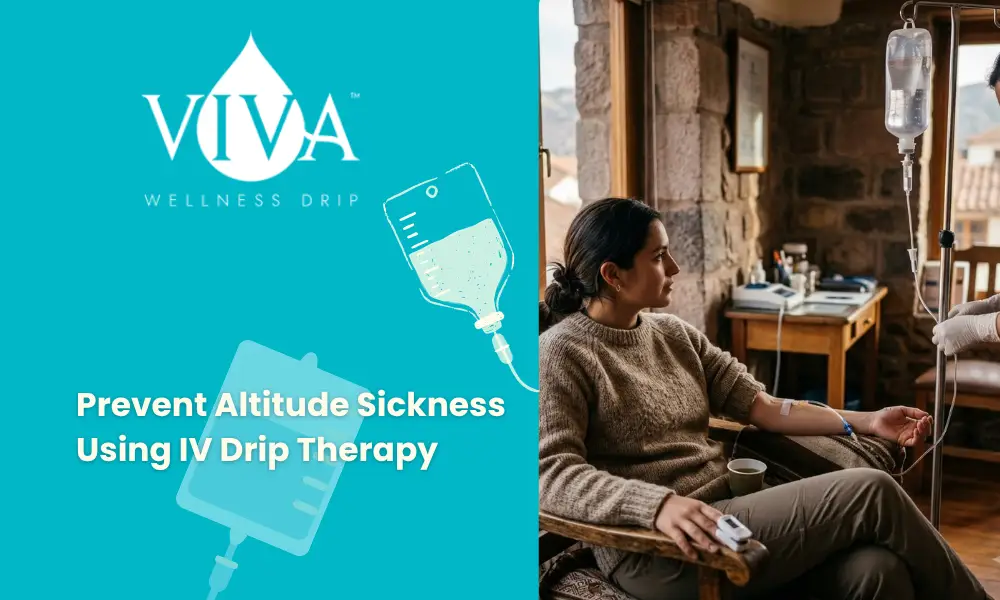
At roughly 3,400 meters above sea level, Cusco sits high enough that altitude sickness isn’t a rare inconvenience — it’s a genuine risk for a large share of visitors, especially those arriving directly by air without time to acclimatize gradually. Having worked with travelers heading into Peru’s high-altitude regions, here’s how IV drip therapy fits into a realistic prevention and management plan.
1. Understand Why Cusco’s Elevation Is a Real Risk Factor
Acute mountain sickness becomes increasingly common above roughly 2,500 meters, and symptoms — headache, nausea, fatigue, dizziness — often appear within the first 6 to 12 hours after arrival, catching many visitors off guard.
Early symptoms worth taking seriously
- Headache that doesn’t respond to typical pain relief
- Nausea or loss of appetite shortly after arrival
- Unusual shortness of breath during light activity
2. Prioritize Hydration From the Moment You Land
Altitude increases fluid loss through faster breathing, and dehydration worsens nearly every altitude sickness symptom. A Hydro Boost drip shortly after arrival can help offset this more effectively than water alone during the critical first day.
3. Avoid Alcohol and Heavy Exertion During Acclimatization
Both significantly worsen altitude symptoms. If you’ve already started feeling unwell, pairing rest with rehydration tends to help more than pushing through a packed sightseeing schedule.
4. Consider a Follow-Up Session If Symptoms Persist
If fatigue and headache linger beyond the first day despite rest and hydration, an Energy Boost drip alongside continued rest can support your body through the remaining acclimatization period.
5. Know the Signs That Require Real Medical Attention
Severe symptoms — persistent shortness of breath at rest, confusion, chest tightness, or coordination problems — are signs of serious altitude illness that require immediate medical care, not just hydration support.
| Symptom Level | Approach |
|---|---|
| Mild headache, fatigue | Hydration, rest, avoid alcohol |
| Persistent symptoms after 24 hours | Hydration plus continued rest, consider follow-up session |
| Severe symptoms (breathlessness, confusion) | Seek emergency medical care immediately |
“Professional Perspective: “Cusco is one of the places where I tell every visitor the same thing: don’t power through the first day. Hydrate, rest, and give your body the time it actually needs before diving into a packed itinerary.””
Viva Wellness Drip sends registered nurses to hotels throughout Cusco, with formula details available on our services page. For detailed, research-backed guidance on altitude illness, the CDC Yellow Book’s chapter on high-altitude travel is essential reading before your trip, and the Mayo Clinic’s dehydration overview covers the hydration fundamentals that support every acclimatization plan. Viva Wellness Drip can help you build hydration support into your first days at altitude before heading on to Machu Picchu.
Frequently Asked Questions
How high is Cusco, and why does that matter for altitude sickness?
Cusco sits at roughly 3,400 meters, well above the elevation where acute mountain sickness becomes common, particularly for visitors arriving directly by air.
Can IV hydration prevent altitude sickness entirely?
IV hydration supports your body’s fluid needs during acclimatization, but it doesn’t eliminate the risk of altitude illness entirely — gradual acclimatization and rest remain essential.
When do altitude sickness symptoms typically appear in Cusco?
Symptoms often appear within 6 to 12 hours of arrival, though this varies by individual.
Should I avoid alcohol while acclimatizing to Cusco’s altitude?
Yes, alcohol significantly worsens altitude symptoms and is best avoided during the first few days.
What symptoms mean I need emergency medical care, not just hydration?
Persistent shortness of breath at rest, confusion, or coordination problems are signs of severe altitude illness requiring immediate medical attention.