Mexico City sits at roughly 2,240 meters above sea level, and your body notices even if your itinerary doesn’t. Visitors land at AICM, check into a hotel in Polanco or a rental in Roma Norte, and set off on a full day of museums, mezcal, and tacos al pastor. By evening, plenty of them have a headache they can’t quite explain.
In more than ten years covering mobile health services, I’ve found that the people who get the best IV experience in a big, unfamiliar city are the ones who ask a few pointed questions first. Here’s the process I use, step by step.
1. Understand Why CDMX Can Leave You Depleted
Altitude and dry air
At this elevation you breathe faster and lose more water through respiration, especially during the dry season from roughly November to May. Mild symptoms such as headache, poor sleep, and fatigue are common in the first day or two. The CDC Yellow Book chapter on high-altitude travel explains how altitude illness develops and why gradual pacing helps.
Know when an IV isn’t the answer
Hydration can ease some of the discomfort, but it doesn’t treat altitude illness itself. Severe breathlessness at rest, confusion, or chest pain need a hospital, not a drip.
2. Verify the Clinician’s Credentials
What to ask for
In Mexico, nurses and physicians hold a cédula profesional, a professional license number issued through the federal education authority. Ask for the name and cédula of the person who will place your IV, and confirm that a physician oversees the protocols. Reputable teams share this without fuss.
The warning sign we watch for
If a company can’t tell you who is coming, or describes staff only as “therapists” or “technicians,” keep looking. Placing a catheter and managing an infusion is clinical work for a licensed nurse or doctor.
Language matters here too. If your Spanish is limited, ask whether the nurse speaks English or whether someone on the team can translate during the intake. A screening is only as good as the answers you can give, and I’ve seen important details about medications get lost when nobody in the room could ask the follow-up question.
3. Ask About Products, Sourcing, and Storage
Mexico’s federal health regulator, COFEPRIS, oversees medicines and health products sold in the country. That gives you a useful question: are the fluids, vitamins, and medications registered products from licensed suppliers? Ask too how they’re stored and transported. Sealed single-use catheters, sterile tubing, and a proper sharps container should arrive with the nurse every time.
Pro Tip: Ask the provider to text you the ingredient list for your drip before the visit. Then compare it to what’s written on the bag when the nurse arrives. In my experience, the companies that do this happily are the same ones that get everything else right.
4. Expect a Real Medical Intake
What a proper screening includes
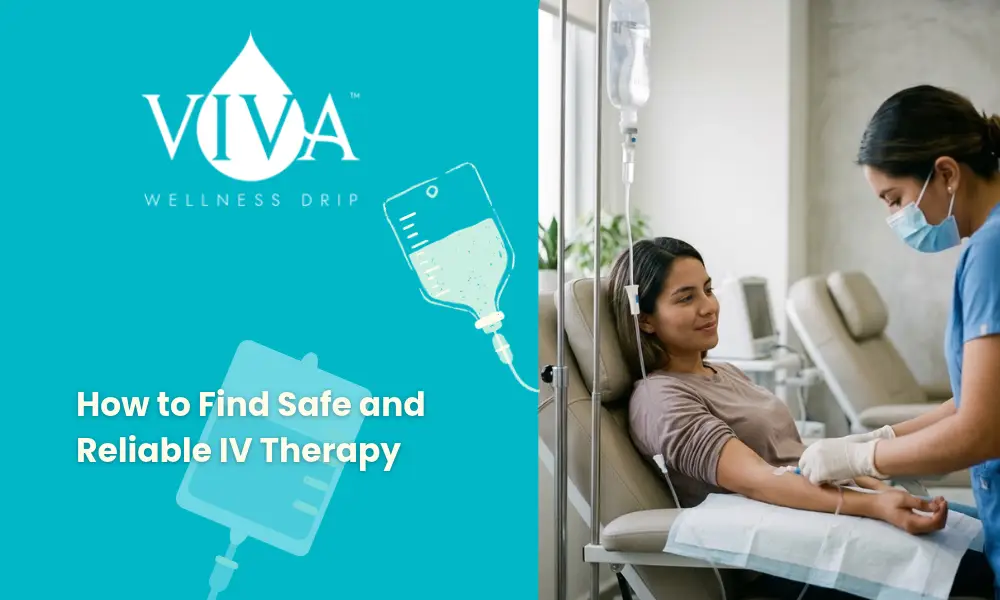
A good-faith exam, by phone, video, or in person, should cover your medications, allergies, heart and kidney history, and pregnancy status. The nurse should take your blood pressure, pulse, and oxygen saturation before starting. At altitude, oxygen readings run a little lower than at sea level, and an experienced nurse will know what’s typical.
Why we never skip it
Fluid overload is rare in healthy adults but real in people with heart failure or kidney disease. The intake is how a provider catches that before the bag is hung, not after.
5. Choose a Formula That Fits Your Goal
Start with what you need. For general fatigue after flying in, a Myers’ Cocktail style blend, usually built on magnesium, B-complex, and vitamin C, is a long-standing choice. For people interested in a longer cellular-energy session, an NAD+ Boost type of infusion is common, though NAD+ must run slowly to avoid flushing and nausea. A basic hydration drip with electrolytes is often enough on its own.
| Goal | Formula Type | What to Confirm |
|---|---|---|
| Rehydration after travel | Saline or lactated Ringer’s with electrolytes | Bag size and infusion rate |
| General fatigue | Myers’-style vitamin blend | Full ingredient list |
| Longer energy session | NAD+ infusion | Slow rate, two hours or more |
| Nausea after a night out | Recovery drip with optional medication | Physician approval for any medication |
| Pre-event preparation | Hydration plus B-complex | Timing before your event |
6. Confirm Logistics and Aftercare
Coverage and timing
Mexico City traffic can turn a short distance into a long ride, especially between Santa Fe and the center or during afternoon rains in the wet season. Ask for a realistic arrival window and confirm your neighborhood is served on the Mexico City mobile IV page. Pricing is usually quoted in pesos and varies by formula, so request an itemized total.
After the needle comes out
The nurse should check the site, apply pressure, explain what minor bruising is normal, and leave a phone number for follow-up questions. Keep drinking water, limit alcohol that evening, and take it easy on your first stair-heavy walk through the Centro Histórico.
Where Viva Wellness Drip Fits In
Viva Wellness Drip provides medically supervised mobile IV therapy with screening before every session. Review our IV services menu to compare options, then book a visit in Mexico City at your hotel, apartment, or office.
Closing Thoughts
Finding safe IV therapy in Mexico City comes down to credentials, sourcing, screening, and clear communication. Run through these six steps and you’ll avoid most of the problems I’ve seen over the years. When you’re ready, Viva Wellness Drip is here to help.
Frequently Asked Questions
Does IV therapy help with altitude sickness in Mexico City?
IV hydration can ease mild symptoms linked to dehydration, such as headache and fatigue, but it doesn’t treat altitude illness itself. Rest, gradual activity, and drinking water help most. Severe breathlessness, confusion, or chest pain need immediate medical care at a hospital, not a wellness drip.
How do I check if an IV nurse in Mexico is licensed?
Ask for the nurse’s full name and cédula profesional number, the professional license issued through Mexico’s federal education authority, which can be looked up in the national professional registry. Also ask which physician oversees the service. Legitimate providers share this information readily.
How much does IV therapy cost in Mexico City?
Costs vary by formula, add-ins, and travel distance, and most local providers quote in Mexican pesos. Basic hydration is usually the most affordable, vitamin blends cost more, and NAD+ sits at the top. Request an itemized quote covering travel and any after-hours fees before booking.
Can I get an IV drip at my hotel in Mexico City?
Yes, mobile providers commonly treat guests in hotels and short-term rentals in neighborhoods like Polanco, Condesa, and Roma. Share your exact address when booking, confirm the area is covered, and let the front desk know a nurse is coming if building access requires it.
How long should I wait after arriving before getting an IV?
There’s no fixed rule, but many travelers book on their first or second day, once fatigue or headache from flying and altitude sets in. If you feel unwell on arrival, rest and hydrate first. A provider’s intake will confirm whether a drip is appropriate for you.